Cart
0





The first bad habit most recruits bring to the range or mat room is using whatever gear is cheapest, easiest to borrow, or close enough to duty equipment. That usually works for a day or two. Then the fit is wrong, the retention setup is different, the boots start causing hot spots, or the training weapons do not match real-world handling. If you are looking for the best training equipment for police academy preparation, the right answer is not the most expensive setup. It is the equipment that safely builds repeatable skills under stress.
Police academy training puts gear through a different kind of abuse than normal shift work. Recruits run, grapple, hit the ground, spend long hours on the range, and repeat drills until small comfort issues turn into major distractions. That means training equipment has to do three things well - stay safe, stay consistent, and hold up over time. Everything else is secondary.
What makes the best training equipment for police academy
The best training equipment for police academy use should match the skills being taught without creating unnecessary risk. A recruit does not need every tactical accessory on the market. They do need equipment that supports firearms handling, defensive tactics, conditioning, scenario work, and daily academy wear.
The trade-off is simple. If training gear is too generic, the student develops habits that do not transfer well. If it is too specialized or too close to full operational kit, cost goes up and safety can become harder to manage in controlled environments. Good academy gear sits in the middle. It mirrors duty use where it matters, but it is built for repetitive training, not just field deployment.
Fit and consistency matter more than features
A duty belt that shifts during movement drills teaches the wrong lesson. Gloves that are too bulky can interfere with weapon manipulation. A flashlight with complicated controls may be excellent in the field but frustrating in low-light instruction for a new recruit. Consistency is what allows repetition to become skill. That is why solid fundamentals gear usually beats feature-heavy gear in a training setting.
Defensive tactics gear that can take repeated impact
Defensive tactics training is where poor equipment gets exposed fast. Mats, striking shields, focus mitts, grappling dummies, and protective helmets all matter because this is the part of academy training where recruits make the most physical contact with the environment and with each other.
Mats are one of the least exciting purchases and one of the most important. Too thin, and falls become harder on joints and backs. Too soft, and footing suffers during takedown and movement drills. Academies and trainers usually want a surface that gives enough protection for repeated throws and ground work without feeling unstable underfoot.
Striking shields and pads should be firm enough to absorb force without folding or forcing instructors to constantly reposition them. Cheap foam breaks down quickly and starts changing how strikes land. For recruits, that means inconsistent feedback. For instructors, it means wasted time.
Headgear, mouth protection, groin protection, and forearm or shin guards depend on the academy's training block, but they are not optional where contact is part of instruction. Good protective gear should allow movement and visibility without creating a false sense of invincibility. Overbuilt gear can encourage sloppy technique. Underbuilt gear can sideline a recruit with avoidable injury.
Firearms training tools that support safe repetition
Live-fire training gets most of the attention, but a lot of academy firearms skill is built before rounds are fired. Blue guns, inert training pistols, dummy rounds, target systems, shot timers, and eye and ear protection all play a role.
A dedicated inert training gun is one of the smartest purchases in any law enforcement training environment. It allows holster work, weapon retention drills, room movement, and hands-on instruction without introducing live-fire risk. The closer the dimensions are to a recruit's issued or academy-approved sidearm, the better the transfer. That does not mean every detail has to be exact, but grip angle, size, and draw feel should be familiar.
Dummy rounds are another small item that matter more than their price suggests. Recruits use them for malfunction drills, reload practice, and dry-fire work. Poorly made dummy rounds can crack, deform, or feed inconsistently, which turns a learning aid into a frustration point.
Eye and ear protection should be treated as performance gear, not afterthoughts. Eye protection needs a secure fit, clear optics, and enough comfort for long range sessions. Ear protection depends on the setting. Traditional muffs are simple and dependable. Electronic hearing protection costs more, but it helps recruits hear commands and coaching more clearly. That can make a real difference on a busy line.
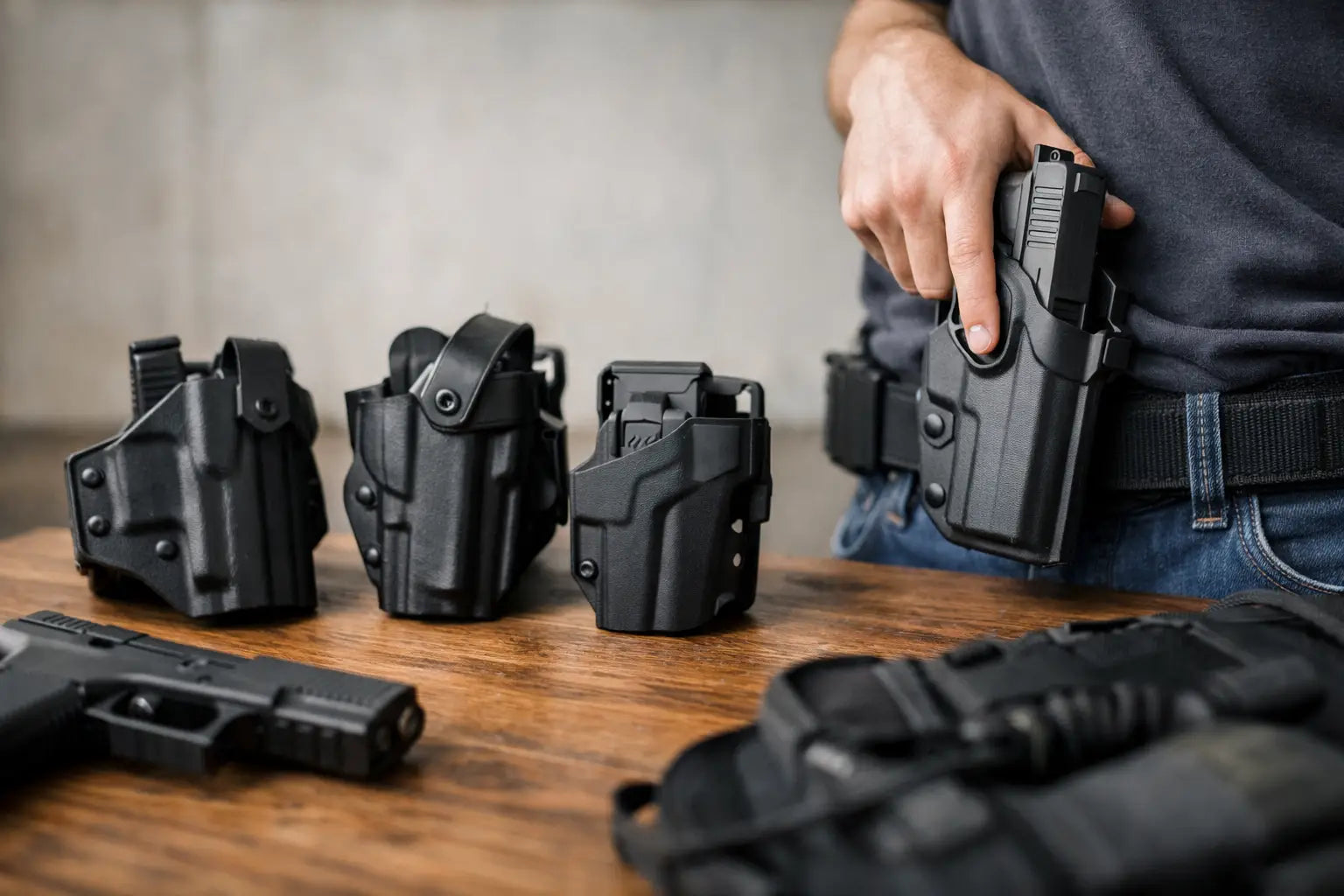
Duty belt and holster training setup
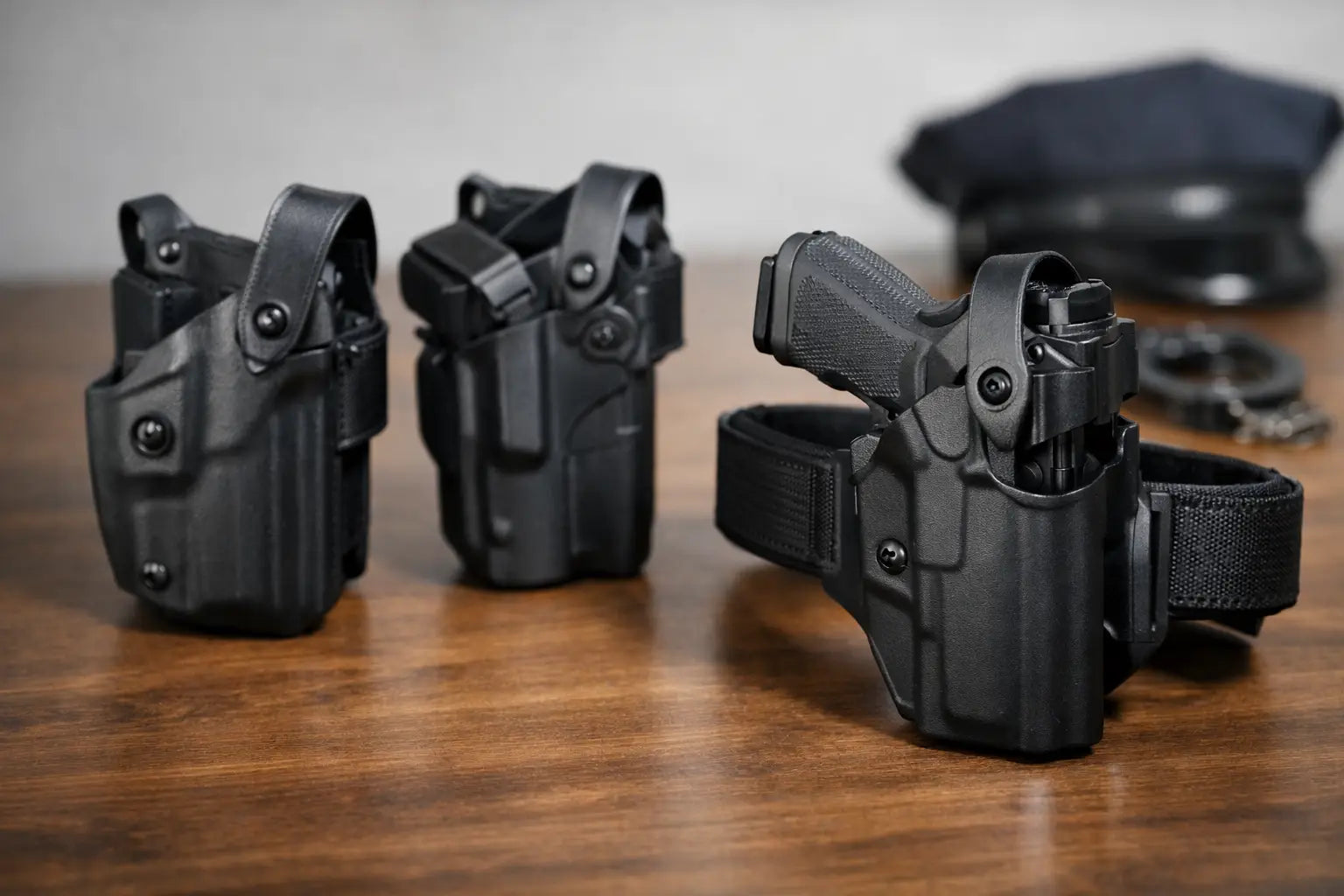
A police academy recruit does not always need a full duty rig on day one, but once firearms and movement training begin, belt setup becomes central to performance. A stable training belt, academy-compliant holster, magazine pouches, and a few core accessories create the foundation.
The key here is placement and retention. Recruits need to build consistent access to magazines, cuffs, lights, and training tools. A belt that sags or rotates undermines drawstroke work and movement drills. A holster with the wrong retention level can cause either unsafe habits or unnecessary fumbling. It depends on the academy's standards, but in general, trainees should use gear that reflects realistic duty handling without adding complexity they have not been taught yet.
Cuff cases and inert restraint trainers also deserve attention. Handcuffing is not just about speed. It is about access, body position, and control. A recruit who cannot reach restraints cleanly under pressure will struggle once scenario training starts.
Footwear and apparel for long academy days
Boots and training apparel do not always get grouped under training equipment, but they should. Recruits spend hours standing, marching, running, and transitioning between classrooms, ranges, and physical training blocks. If footwear fails, every other part of the day gets harder.
A good academy boot should provide support, traction, and enough flexibility for movement drills. The wrong boot creates blisters, shin pain, and fatigue. That is not just uncomfortable. It can affect running times, posture, and focus. There is always a trade-off between lightweight athletic feel and heavier duty support. Recruits doing more PT may prefer lighter boots, while those needing more structure may lean toward a more supportive option.
Training apparel should allow full range of motion and hold up to repeated washing. Moisture management matters in hot, humid environments, especially in South Florida. Shirts, socks, and underlayers that dry quickly can make a full training day much more manageable.
Lights, bags, and support gear that keep training organized
Some of the best training equipment for police academy success is not dramatic at all. A dependable flashlight, a durable range bag, a hard case for sensitive gear, and a notebook system for class blocks can save time and prevent small problems from stacking up.
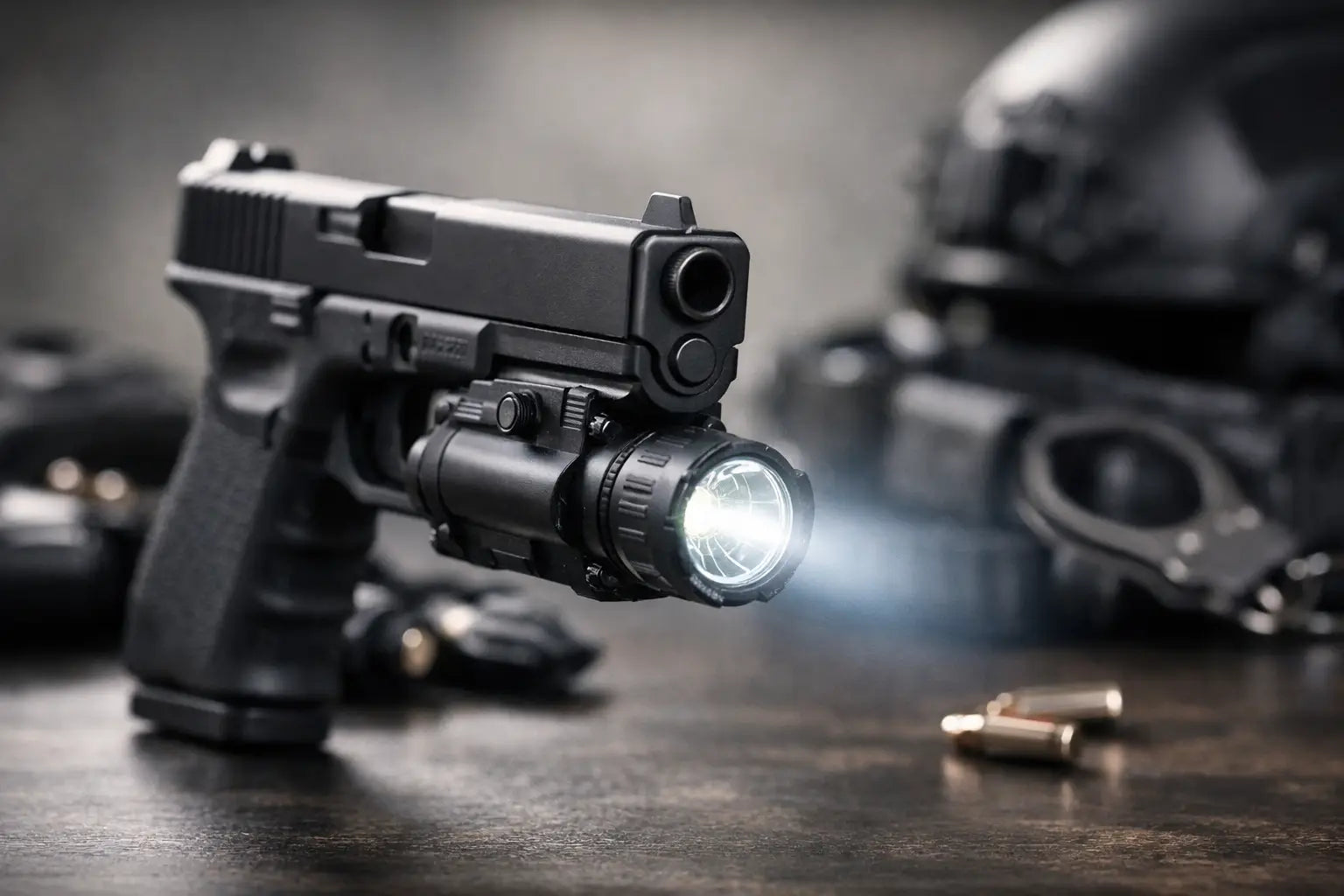
A training flashlight should be simple to operate and durable enough for repeated handling drills. Recruits do not need every premium feature for academy use, but they do need reliable output and controls that can be learned quickly. Low-light classes are not the place to discover weak switches or battery issues.
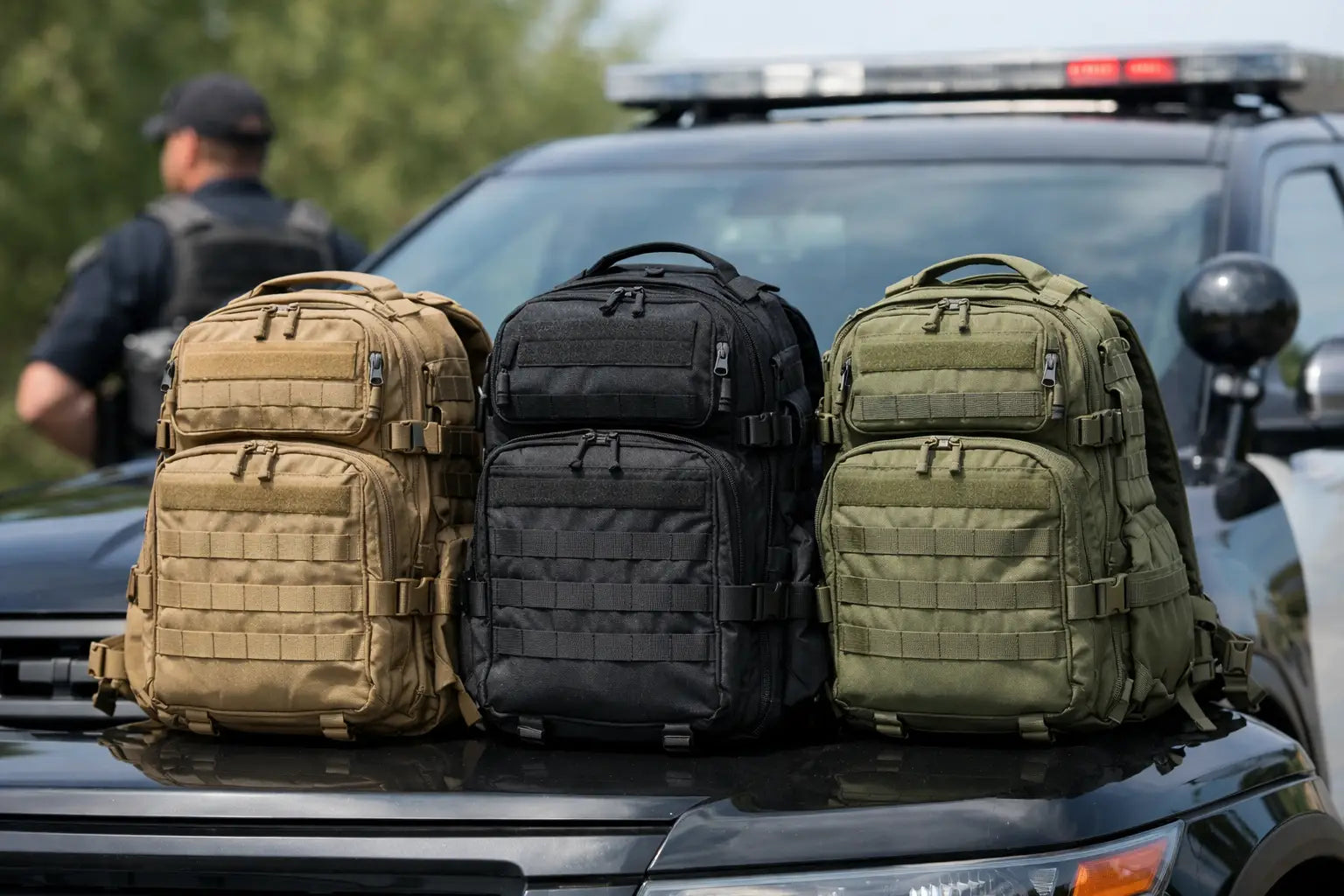
Bags matter because academy days involve movement between locations and gear types. A well-organized bag keeps PPE, spare clothing, hydration, ammo support items, and administrative materials separated and easy to reach. Hard cases make more sense when protecting optics, electronics, or sensitive gear from impact and weather.
How to choose without overspending
The smartest way to buy training equipment is by training block, not by impulse. Start with what the academy requires. Then look at the equipment used most often: boots, belt setup, protective gear, eye and ear protection, and inert firearms trainers. Those are the pieces that affect safety and repetition the most.
After that, consider durability and replacement cycle. Some items should last through the academy and well into field use. Others are training consumables by nature. It makes sense to spend more on boots, belts, and quality protective equipment than on bargain-bin accessories that fail under daily use.
This is also where working with a specialized outfitter helps. Public safety professionals and recruits usually get better results when they buy from a retailer that understands academy requirements, retention standards, and real-duty carry setups. That is different from buying off a generic sporting goods shelf where the products may look similar but are not selected around law enforcement use.
Common mistakes recruits make when buying police academy gear
The biggest mistake is buying for appearance instead of function. The second is assuming training gear should match patrol gear in every detail. It should match where skill transfer matters, but it still needs to fit the academy environment.
Another common mistake is ignoring comfort until it becomes a performance issue. A recruit can tolerate a poor boot fit or awkward belt setup for one session. Over several weeks, that same issue can affect confidence, concentration, and physical output. Small gear problems rarely stay small in academy training.
If you are outfitting for academy prep, focus on safe repetition, realistic handling, and durability under daily use. The right setup does not need to be flashy. It needs to work when the day is long, the reps are high, and the standard is non-negotiable. That is what good training equipment is supposed to do.