Cart
0





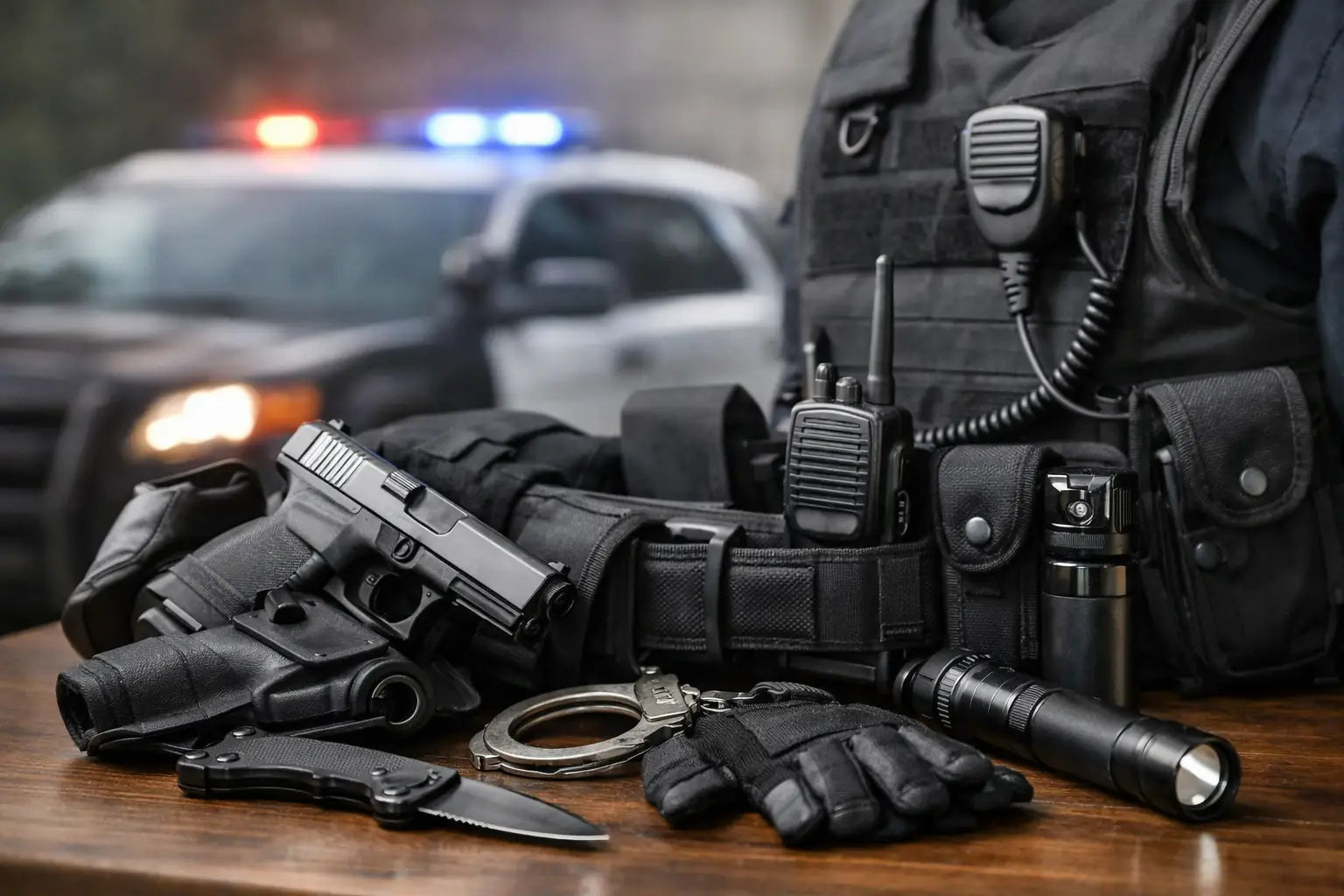
A shift can go sideways fast when your gear fights you. A holster that shifts on the belt, boots that break down early, or a light you can’t reach cleanly under stress all create problems you feel immediately. This law enforcement duty gear guide is built around that reality - not trends, not shelf appeal, but the equipment decisions that affect comfort, access, retention, and performance on duty.
The right setup is rarely about buying the most expensive item in every category. It’s about building a loadout that works together, fits policy, and holds up through long hours in a cruiser, on foot, or working details. That means looking at individual products, but also at placement, compatibility, climate, and how much gear you actually need to carry.
Start with the duty belt, not the accessories
Most officers think about holsters, lights, or cuffs first. In practice, the belt is the foundation. If the belt lacks structure, everything mounted to it becomes harder to manage. Weight shifts, pouches sag, and your lower back pays the price by mid-shift.
A solid duty belt should balance rigidity and comfort. Too flexible, and mounted gear moves when you draw or reholster. Too stiff, and it can become uncomfortable during long vehicle time. Nylon and leather both still have a place. Leather can present a more traditional uniform appearance and may better suit agency standards in some departments. Modern nylon belts often win on weight, weather resistance, and modular mounting.
Belt width and attachment method matter just as much as material. If you run keepers, inner and outer belt systems, or MOLLE-compatible platforms, each choice affects how secure your setup feels. The best option depends on your uniform requirements and whether your assignment changes day to day.
A good belt setup reduces avoidable movement
This is where many loadouts succeed or fail. A baton pouch, radio holder, cuff case, and holster may all be quality products on their own, but if they crowd each other or interfere with seat positioning, the setup still falls short. Build around your draw stroke and support-hand access first. Then place secondary tools where they remain reachable without forcing awkward movement.
Holsters and retention are non-negotiable
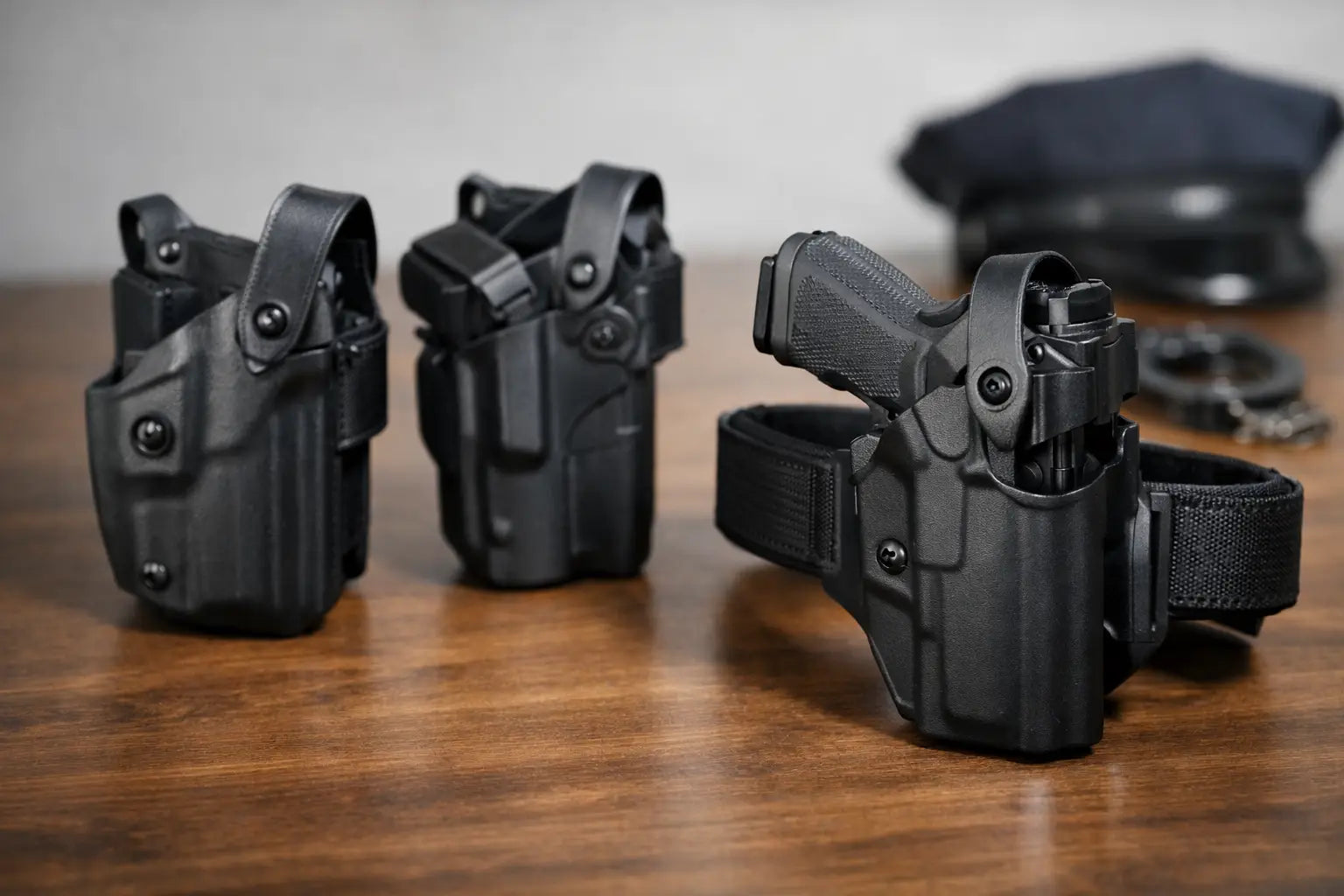
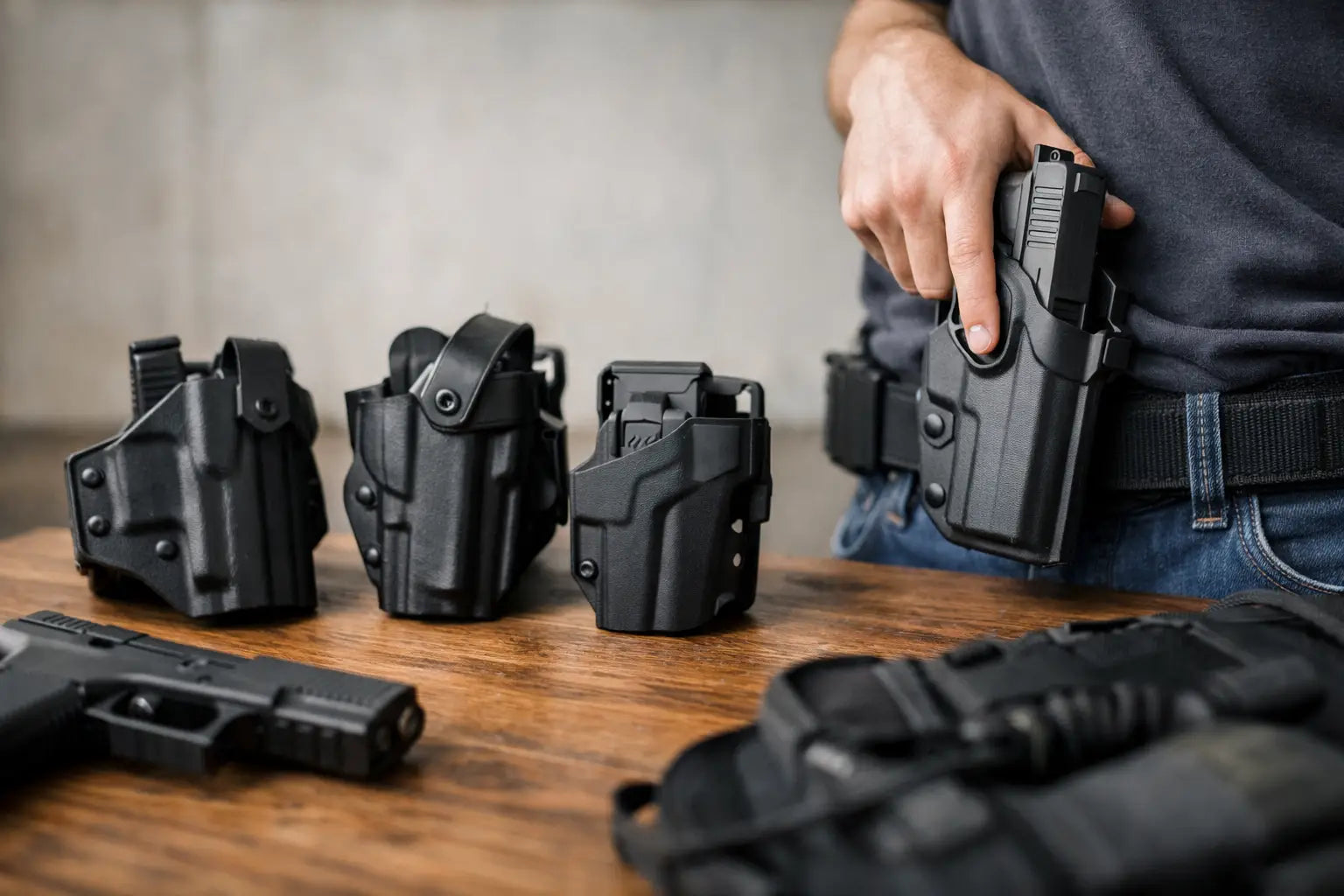
No category deserves more scrutiny than the duty holster. For uniformed patrol, retention is the standard, not a bonus. Level II or Level III configurations are common because they protect the weapon in close contact situations while still allowing a consistent draw when properly trained.
The best holster for one officer is not always the best for another. Hand size, dominant hand, body type, armor profile, and vehicle time all matter. Mid-ride setups often offer a strong balance of access and control, while low-ride options can help some users clear body armor more easily. The trade-off is that dropping the pistol too low can reduce comfort, increase movement, and complicate retention in physical encounters.
A duty holster also has to match real working conditions. If your assignment involves frequent in-and-out vehicle movement, foot pursuits, or close public contact, you need a platform that stays stable and protects the firearm from unnecessary exposure. Retention should feel positive, not vague, and releases should be intuitive under stress.
Body armor and carriers have to fit the job
Body armor is one of the clearest examples of where fit matters as much as rating. Soft armor that shifts, pinches, or rides poorly usually ends up distracting the wearer all day. If coverage is correct but the carrier runs hot, chafes, or limits motion, officers often start making bad workarounds.
A proper fit should allow coverage without interfering with movement, sitting, or shouldering equipment. Carrier construction, adjustment points, and panel placement all affect that outcome. In hot, humid markets like South Florida, heat management is not a side issue. It is part of performance. Moisture, airflow, and weight distribution can make a major difference over a full shift.
External carriers add another layer of decision-making. They can improve comfort and redistribute weight, but they also need to meet agency policy and be set up with restraint. Overloading an external carrier with pouches and admin gear can create bulk, limit mobility, and shift too much weight onto the torso. Sometimes carrying less is the smarter move.
Lights, knives, and tools should solve real problems
A duty light earns its place quickly. Low-light building searches, traffic stops, report work, and vehicle inspections all demand reliable illumination. Brightness matters, but so do candela, switch design, runtime, and how the light carries on your person. A very high-output light may look impressive, yet if it burns through power too quickly or the switching is inconsistent with gloves, it may not be the right duty choice.
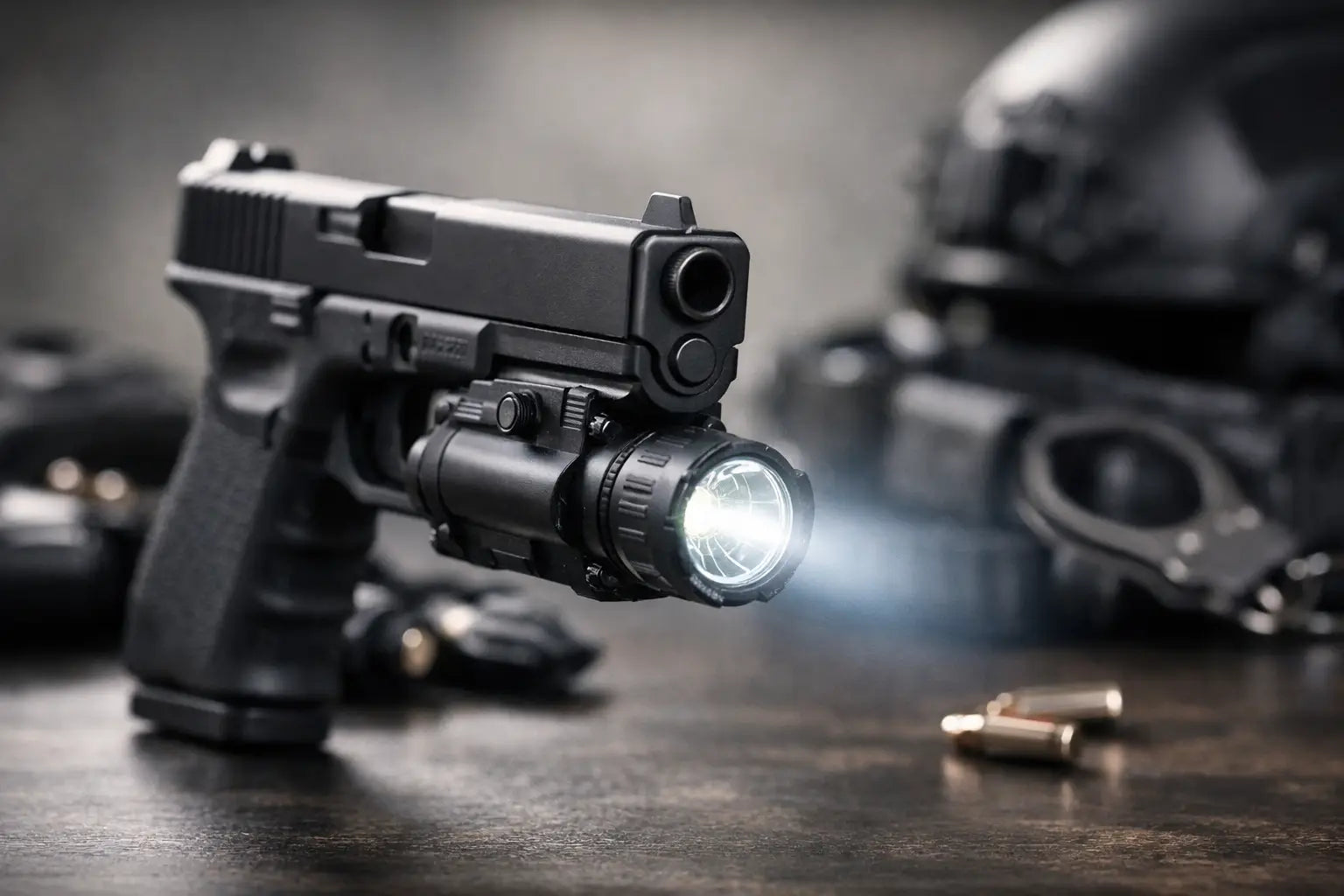
Weapon-mounted and handheld lights serve different roles. A handheld light remains essential because not every search or inspection justifies pointing a firearm. Officers who treat the weapon light as a full replacement usually run into limitations fast.
Knives and rescue tools should be selected the same way - by duty function, not appearance. A compact folding knife may be enough for routine cutting tasks, while seatbelt cutters or glass-breaking rescue tools make more sense for patrol and traffic-heavy assignments. The more specialized your duties, the more specialized your tool choices may need to be.
This law enforcement duty gear guide should include footwear
Boots are often treated like a separate uniform item, but they are duty gear in every practical sense. If they fail, your whole shift feels longer. Good duty boots need to handle pavement, wet surfaces, long standing periods, and uneven ground without breaking down early or creating hot spots.
There is no single best boot for every officer. Waterproof models can be the right call in some climates and assignments, but in consistently hot conditions they may trap more heat than some wearers want. Lightweight athletic-style boots improve speed and comfort for many users, though they may not offer the same structure or durability as heavier traditional options.
Fit is the deciding factor. A respected brand name helps, but a poor fit still leads to fatigue, blisters, and reduced stability. Look closely at toe room, heel hold, side-zip quality if applicable, and outsole traction. Break-in time also matters. Some boots feel great in the store and disappoint on a 12-hour shift.
Don’t ignore restraints, pouches, and smaller essentials
The gear that gets the least attention often causes the most daily frustration. Cuff cases, glove pouches, key holders, radio carriers, and OC or magazine pouches may seem secondary, but poor design shows up every time you reach for them.
Retention should be secure without slowing access. Snaps, tension systems, and molded carriers all have advantages depending on the item and your preferred setup. A radio holder, for example, needs enough retention for movement and physical activity, but it also has to allow easy access to controls and the mic routing you actually use.
This is also where excess starts to creep in. Officers often add pouch after pouch until the belt becomes crowded and uncomfortable. If an item is rarely used and can ride elsewhere, that may be a better call. Clean setups usually perform better than overloaded ones.
How to evaluate gear before you commit
A strong law enforcement duty gear guide should help you avoid buying twice. Start with policy compliance. If your agency requires certain finishes, retention levels, armor specs, or approved brands, narrow the field there first.
After that, think in terms of compatibility. Your holster has to work with your belt platform. Your armor has to fit your uniform and carrier. Your pouches need to mount securely and sit where your body can actually access them. A great standalone product can still be a bad purchase if it does not work with the rest of your setup.
Then consider duty cycle. Patrol, corrections, court security, private security, task force work, and off-duty carry all place different demands on gear. The best all-around option is not always the best assignment-specific option. This is where working with a specialized outfitter helps. AE Tactical, for example, is built around actual public safety categories rather than generic outdoor retail, which makes product selection more practical for officers and agency buyers.
Price matters, but value matters more. Saving money upfront on gear that wears out early, shifts under stress, or fails to meet your daily needs usually costs more over time. The goal is dependable performance at a fair price, not chasing the cheapest option on the screen.
Build your setup for the shift you actually work
The most effective duty gear setup is the one that supports your job without getting in your way. That means honest decisions about what you carry, where you carry it, and what your body can handle across a full shift. Some officers need a lighter, more streamlined belt. Others need more capacity because their assignment demands it. Both can be right.
Test gear with movement, seated time, and real repetition whenever possible. Practice your draw, your reloads, your cuff access, your radio use, and your light deployment. Good gear should disappear into the work. If you notice it constantly, something probably needs to change.
Your equipment does not need to look impressive on a table. It needs to perform when the call is live, the shift is long, and there is no time to fight your own setup. That is the standard worth buying for.