Cart
0





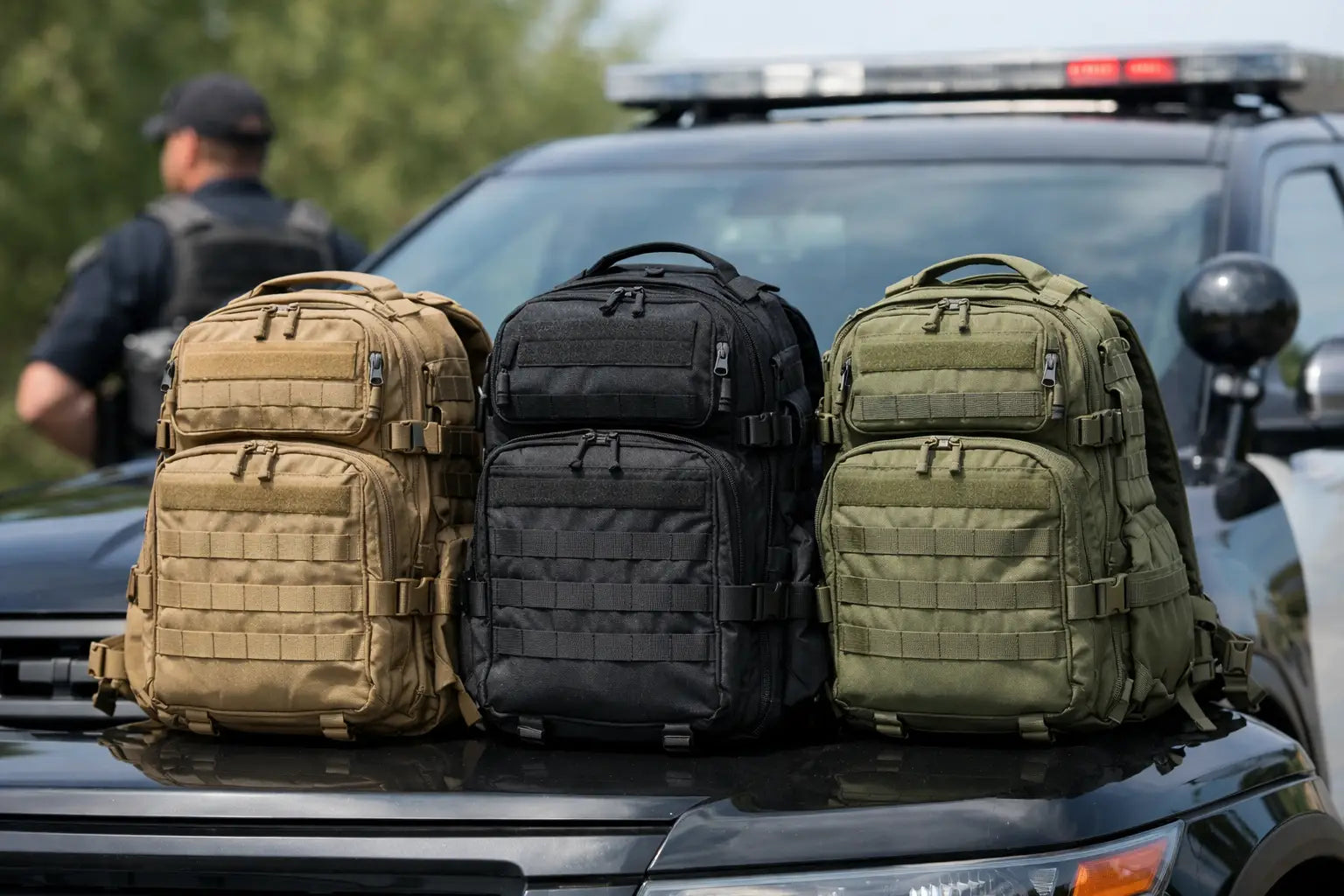
A patrol bag earns its place when the call runs long, the weather turns, and the gear you need is not in the trunk. The best tactical backpacks for patrol keep essential equipment protected, organized, and accessible without becoming a bulky load that interferes with driving, foot pursuits, or routine movement on shift.
For law enforcement officers, security professionals, corrections staff, and EMS personnel, the right backpack is not simply the largest one available. It is a duty-ready platform built around your assignment, vehicle setup, agency policy, and the equipment you actually carry. Here is how to choose one that works when it counts.
What Makes a Tactical Backpack Patrol-Ready?
Patrol demands are different from hiking, travel, or range use. A hiking pack may carry weight comfortably over distance, but its top-loading design can slow access to gloves, medical supplies, paperwork, or a light. A range bag may offer plenty of compartments, yet be too wide or too rigid to fit behind a vehicle seat.
A patrol backpack should provide a practical middle ground: enough structure to protect mission-critical gear, enough organization to prevent loose items from disappearing, and enough flexibility to adapt to changing assignments. It also needs to sit comfortably over a uniform and work with the rest of your duty equipment.
The first question is simple: what role will this bag serve? A patrol officer carrying spare uniform items, rain gear, traffic equipment, hydration, and basic medical supplies needs a different layout than an armed security officer working a fixed post or an EMT using the pack as a secondary response bag.
Start With the Right Capacity
Capacity is where many buyers get it wrong. Bigger is not always better on patrol. An oversized pack can encourage overpacking, consume valuable space in the vehicle, and become awkward in crowded hallways, stairwells, or active scenes.
For a daily patrol pack, the practical range is often about 20 to 35 liters. This size can carry a jacket, hydration, spare gloves, batteries, chargers, documentation, an individual first-aid kit, and selected mission items without becoming cumbersome. It also fits more easily in a cruiser, security vehicle, apparatus cab, or locker.
A 35- to 45-liter pack can make sense for specialized assignments, extended shifts, rural patrol, disaster response, or personnel who must carry more sustainment equipment. The trade-off is bulk. If the bag will primarily stay in the vehicle, that may be acceptable. If you expect to wear it while moving through a scene, stay disciplined about both size and weight.
A compact 15- to 20-liter backpack can work well for a minimalist loadout, bicycle patrol, executive protection, or off-duty readiness. Just be realistic about what it can hold. Overstuffed compartments, dangling gear, and broken zippers are usually signs that the pack is too small for the mission.
Prioritize Access Over Compartment Count
A backpack can have ten pockets and still be poorly organized. What matters is whether you can reach the right item quickly and whether your equipment returns to the same place after every call.
Look for a main compartment that opens wide enough to see and manage the contents. Clamshell or full-zip openings are especially useful for patrol because they give you a clear view of larger items instead of forcing you to dig from the top. A secondary organizer pocket is useful for pens, report forms, chargers, a notebook, cables, and small administrative tools.
A quick-access pocket near the top is a practical place for items such as eye protection, spare batteries, gloves, a compact light, or a phone charging cable. It should be accessible without unloading the bag. Avoid putting loose sharp tools or heavy metal objects in this pocket, where they can damage eyewear or get mixed with items you grab frequently.
For medical gear, separation matters. A dedicated, clearly marked pouch or internal section helps keep gloves, trauma supplies, and basic first-aid items away from food, paperwork, and electronics. If multiple people may use the bag, consistent placement is more valuable than a complicated personal system.
Exterior MOLLE Has a Purpose, but Do Not Overbuild It
MOLLE webbing allows a pack to be adapted with pouches for medical equipment, radio accessories, water bottles, or mission-specific items. That versatility is useful for public safety work, especially when assignments change.
Still, every external pouch adds snag risk and changes how the pack rides. A bag covered in accessories can catch on vehicle interiors, door handles, brush, and seat belts. It can also shift the load away from your back. Use exterior mounting for items that genuinely need separate access or that do not fit cleanly inside the pack. Keep the rest contained.
Materials and Construction That Hold Up on Shift
Patrol backpacks take abuse: concrete floors, vehicle trunks, wet pavement, station lockers, and daily loading and unloading. Fabric weight alone does not tell the whole story, but durable nylon or polyester construction, reinforced stress points, quality stitching, and dependable zippers are all worth paying attention to.
Water resistance is valuable, particularly in South Florida rain, but it is not the same as waterproofing. A water-resistant pack can protect gear during routine exposure and brief downpours. If you carry electronics, sensitive paperwork, or medical supplies that cannot get wet, use internal waterproof pouches or protective cases as well.
Inspect the points that commonly fail first: shoulder-strap attachment areas, grab handles, zipper tracks, and compression straps. A top grab handle should feel secure enough to pull the loaded pack from a vehicle. Zippers should operate smoothly with gloved hands and should not require force when the bag is packed normally.
Color also affects usability. Black and subdued colors are common for patrol and security work because they look professional and fit most uniforms. Coyote and camouflage patterns may suit field or tactical assignments, but confirm agency appearance requirements before buying. For fire, EMS, or disaster response, a high-visibility identifier, patch panel, or colored medical pouch can improve recognition without requiring a bright pack.
Fit Matters More Than Most Patrol Buyers Expect
A backpack that feels fine for five minutes can become a distraction halfway through a 12-hour shift. Choose adjustable shoulder straps with enough padding to distribute weight, but not so much bulk that they interfere with a vest, outer carrier, or radio mic routing.
A sternum strap can stabilize a load during movement, especially when the bag is heavier or worn over outerwear. A waist belt is more situational. It helps transfer weight on longer walks, but many patrol users remove or stow it because it can conflict with a duty belt, holster, or vehicle seating.
Load the pack close to your back. Heavy items such as water, batteries, and tools belong near the center of the pack rather than in exterior pockets. This reduces pull on the shoulders and helps the bag stay controlled when you move quickly. Before committing to a model, wear it over your normal uniform setup and practice getting in and out of the vehicle.
Build Your Loadout Around Your Assignment
The best tactical backpack for a patrol officer is not necessarily the best choice for every public safety role. Start with your normal shift, then account for the events that make the shift longer or more complex.
A law enforcement patrol loadout may include a weather layer, hydration, traffic vest, basic trauma supplies, spare gloves, flashlight batteries, chargers, report materials, and selected evidence or scene-control items. Keep any department-issued equipment separated and secured according to policy.
Private security personnel may prioritize access-control materials, a notebook, spare uniform components, rain gear, hydration, basic medical equipment, and power banks. A lower-profile backpack may be appropriate for assignments where a highly tactical appearance is not preferred.
Fire and EMS professionals often benefit from a pack with a cleanable interior, clear medical organization, and enough room for PPE, hydration, spare gloves, and support equipment. For this role, speed of identification can matter as much as capacity. Clearly labeled internal pouches make it easier to locate supplies under pressure.
For range users and tactical lifestyle customers, avoid treating a patrol pack like a general dump bag. The same principles apply: separate ammunition from medical gear, protect optics and electronics, and keep frequently used equipment accessible without filling every attachment point.
Common Buying Mistakes to Avoid
The most common mistake is choosing a bag based on appearance alone. Tactical styling does not guarantee useful access, durable construction, or compatibility with duty equipment. A pack should solve a carrying problem, not add one.
Another mistake is buying too many pouches before using the base pack. Carry it for several shifts first. You may find that an internal organizer or a single medical pouch addresses the need better than adding multiple exterior accessories.
Finally, do not overlook agency policy. Some agencies specify approved colors, patch placement, medical gear requirements, or rules for transporting equipment. Security companies may have client-site standards as well. Confirm those details before building a loadout around a new backpack.
Choosing With Confidence
A dependable patrol backpack should make your shift easier: less searching, less clutter in the vehicle, and better protection for the equipment you rely on. At AE Tactical, public safety professionals can shop mission-focused packs and supporting gear with the confidence of working with an Authorized Dealer that understands duty use.
Before your next shift, lay out what you carry, remove what never gets used, and choose a pack that gives every remaining item a purposeful place.