Cart
0





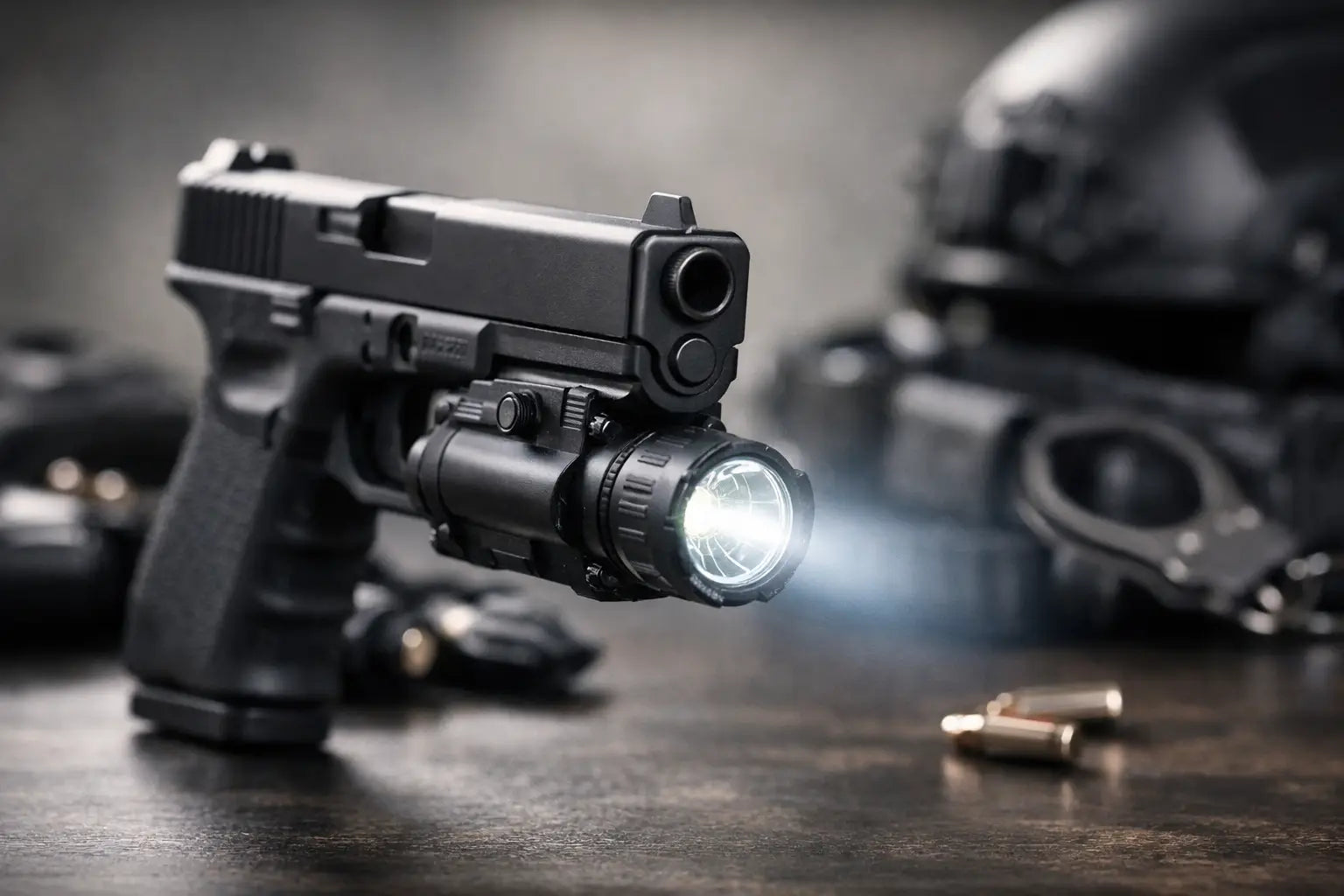
A weapon-mounted light is not a cosmetic add-on. For officers, armed security professionals, and responsible range users, it is a piece of identification equipment that must work when ambient light does not. This weapon mounted light buying guide focuses on the details that affect real carry, duty use, storage, and training - not just the highest lumen number on the box.
The right choice depends on the platform, the mission, your issued or preferred holster system, and how you operate the firearm safely under stress. A light that is exceptionally bright but incompatible with your duty holster or difficult to activate with gloves is not the right light for the job.
Start With Your Firearm and Carry Setup
Fit comes before output. Confirm that the light is made for your exact handgun or long-gun mounting system. On handguns, that usually means checking the accessory rail profile, rail length, trigger guard clearance, and the manufacturer’s approved fitment information. A compact pistol may accept a short light that sits flush with the muzzle, while a full-size duty pistol can support a larger unit with longer runtime and more output.
For long guns, determine whether you are using an M-LOK, Picatinny, KeyMod, or other compatible mounting arrangement. The mounting location should be secure, protect the light from unnecessary impact, and allow safe access to the controls without interfering with other required equipment.
Do not assume that a rail-equipped firearm accepts every rail-mounted light. Small differences in rail geometry and key placement matter. Before purchasing, verify the fit against the light manufacturer’s compatibility chart and your firearm model.
Holster Compatibility Is a Duty Requirement
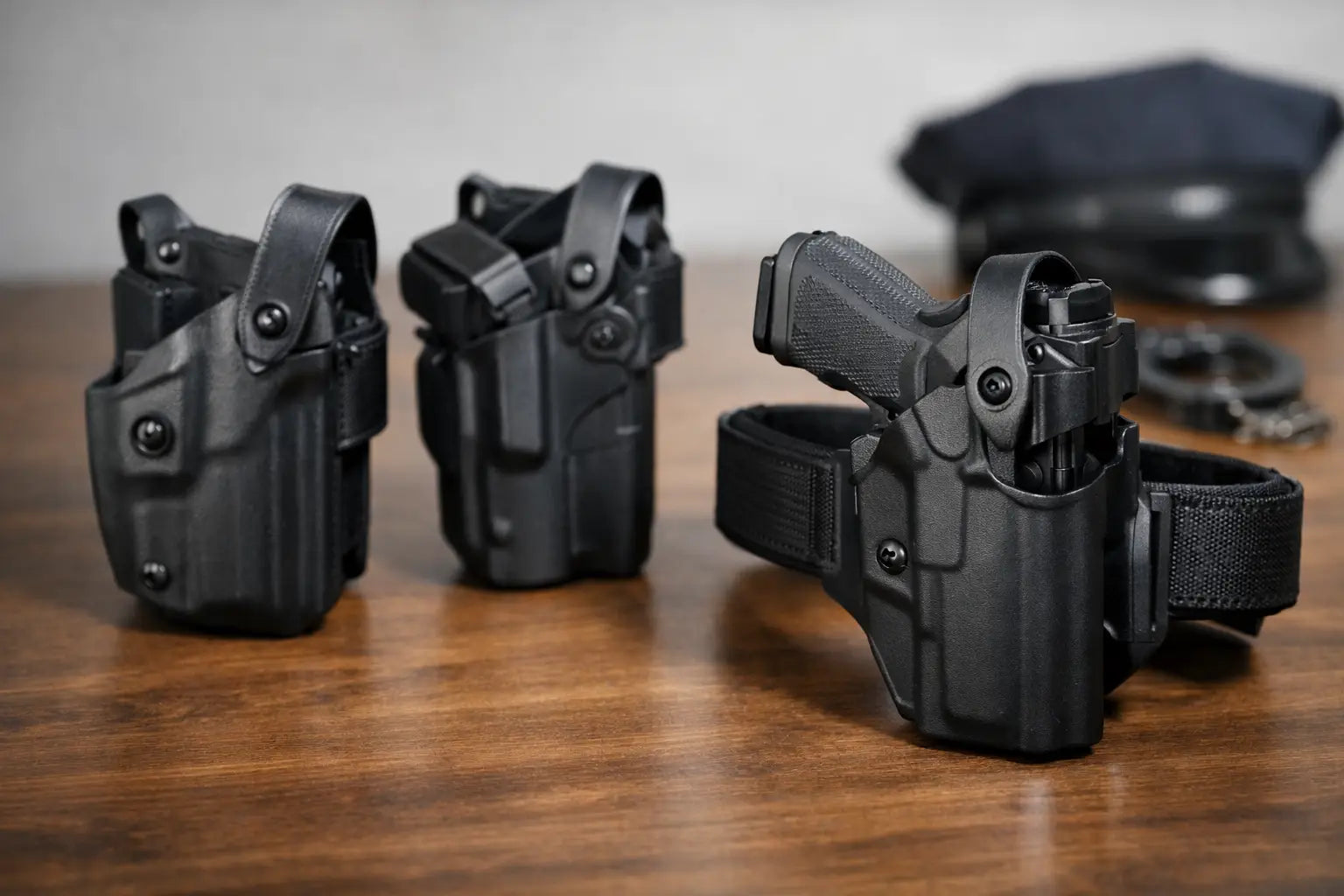
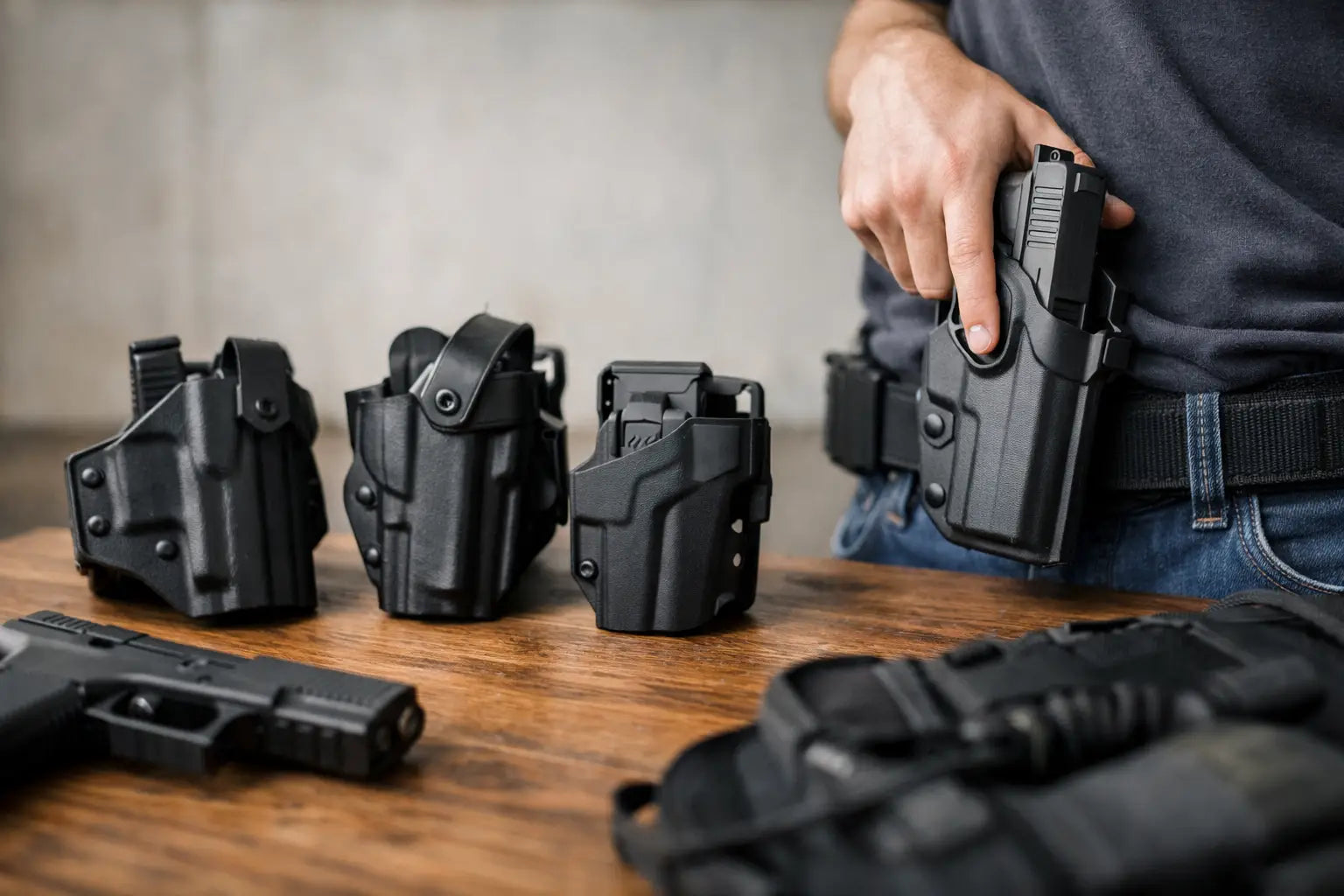
A mounted light changes the shape of the firearm, so a standard holster generally will not work. You need a holster built for the specific firearm and light combination, with the retention level appropriate to your assignment or carry method.
For uniformed officers and security professionals, confirm compatibility with your duty holster, retention hardware, optic setup, and any issued policy requirements. If you carry concealed, consider how the light affects holster bulk, muzzle length, comfort, and concealment. A larger light may offer useful runtime, but it can add weight and limit holster choices.
This is one area where buying the light first and researching holsters afterward can create an expensive problem. Identify the holster models available for your pistol and prospective light before committing. The best-equipped pistol is still a poor carry choice if it cannot be safely secured in a dependable holster.
Understand Lumens, Candela, and Beam Pattern
Lumens measure total visible light output. Candela measures the intensity of light concentrated in the beam. Both matter, but they serve different purposes.
A higher-lumen light can provide a broad, useful spill for navigating dark interiors, searching around vehicles, or observing an immediate area. Higher candela generally creates a more concentrated center beam that reaches farther and performs better through photonic barriers such as streetlights, headlights, and reflected ambient light.
For typical handgun use, a balanced beam is often more practical than an extremely narrow beam. You want enough spill to maintain awareness of the immediate environment while still having a defined hot spot for positive identification. For a patrol rifle or other long gun, greater candela can be valuable when the platform is intended for larger outdoor areas or longer sightlines.
Numbers alone do not tell the whole story. A light with impressive specifications may have a beam pattern that does not suit your environment. Consider whether most of your use is likely to be in homes, businesses, parking areas, roadways, campuses, or open outdoor spaces. The best output level is the one that lets you identify what is in front of you without creating unnecessary bulk, excessive heat, or poor runtime.
Choose Controls You Can Run Consistently
Controls should be intuitive, ambidextrous when possible, and easy to operate with your normal grip. Handgun lights commonly use rear paddles, rocker switches, or toggle-style controls. Long-gun lights may use a body-mounted tailcap switch, a remote pressure switch, or both.
The key question is not whether a switch feels impressive at the counter. It is whether you can operate it consistently, safely, and without breaking your normal firing grip more than necessary. If you wear patrol gloves, rescue gloves, or cold-weather gloves, test the control size and resistance with those gloves in mind.
Momentary and constant-on modes each have a place. Momentary activation allows brief illumination when you need to assess an area. Constant-on can be useful for administrative tasks, searching, or longer observation. Avoid a model with complicated programming if you will not train enough to use it reliably. Simple controls reduce errors when attention is divided.
Battery Type and Runtime Matter More Than Convenience
Weapon lights commonly use disposable lithium batteries, rechargeable lithium-ion cells, or integrated rechargeable battery systems. There is no universal winner.
Disposable batteries are easy to stage in a patrol bag, cruiser, range bag, or emergency kit. They can be swapped quickly, which is useful for extended shifts and agency environments where charging access may be limited. Rechargeable systems can reduce ongoing battery costs and make routine charging convenient, especially for personal carry or structured equipment checks.
Check the runtime at the light’s highest setting, but also look at the lower-output or reduced-output runtime if the model offers multiple modes. Many lights begin at maximum output and step down as heat builds or battery voltage falls. That is normal, but it means the advertised maximum output is only part of the picture.
Build battery checks into your readiness routine. Replace or recharge cells on a schedule, inspect battery contacts for corrosion, and use batteries recommended by the manufacturer. Mixing old and new batteries or using damaged cells is a poor tradeoff for critical equipment.
Durability and Environmental Protection
Duty gear gets dropped, exposed to sweat and rain, carried in hot vehicles, and subjected to repeated recoil. Look for a proven housing material, a secure mounting interface, dependable lens protection, and a water-resistance rating that matches your expected conditions.
A light does not need to be the heaviest model available to be dependable. In fact, unnecessary weight can affect balance and carry comfort. What matters is a well-designed unit from a manufacturer with a track record of supporting professional users, along with a mount that stays locked in place under normal use.
After installation, conduct a basic equipment check at the range. Confirm that the mount remains secure, the controls still work as expected, and the light does not interfere with sights, optics, sling hardware, or holster operation. Follow all firearm safety rules during setup and testing, and use a qualified armorer when policy or equipment complexity calls for one.
Select a Light for the Mission, Not the Spec Sheet
A concealed-carry handgun may benefit from a compact light that preserves comfort and holster availability. A full-size duty pistol can justify a larger model with longer runtime, stronger throw, and controls designed for frequent use. A long gun used for patrol or property protection may require a different beam pattern and a mounting setup that accommodates a sling, optic, and other mission-essential equipment.
Agency buyers should also consider standardization. Issuing one or two approved light models can simplify holster procurement, battery management, training, maintenance, and replacement. Individual officers and security personnel should still confirm that an approved option fits their assigned firearm and duty gear correctly.
Price deserves context. A lower-cost light can be appropriate for occasional range use if it fits securely and comes from a reputable source. For a firearm carried professionally or relied upon for home defense, proven reliability, support, compatible holsters, and readily available batteries usually justify spending more. AE Tactical helps public safety professionals and prepared civilians compare duty-ready gear with those practical requirements in mind.
A Final Check Before You Buy
Before placing an order, confirm your firearm model, rail type, intended holster, preferred battery system, and expected operating environment. Then choose the light that you can mount securely, activate consistently, maintain on schedule, and train with responsibly. A well-matched weapon light supports better identification and better decisions when visibility is limited.