Cart
0






A missed spec on a holster order or a delay on body armor sizing does more than slow down purchasing. It can stall training, affect officer readiness, and create avoidable budget pressure. That is why a solid guide to agency gear procurement starts with the job itself - what your personnel need to wear, carry, and trust on shift.
Agency buying is different from general retail purchasing. You are not just comparing prices on boots, uniforms, plate carriers, restraints, lights, or optics. You are balancing policy compliance, field performance, fit, replacement cycles, vendor reliability, and fulfillment timelines. The right process helps your team get duty-ready gear without adding friction at approval, receiving, or deployment.
What agency gear procurement really involves
At the agency level, procurement is rarely about a single item. A uniform order may also need belts, outer carriers, footwear, and cold-weather layers. A patrol equipment purchase may involve holsters, magazine pouches, flashlights, restraints, traffic safety gear, and hard cases for transport or storage. Fire and EMS teams may need gloves, bags, protective equipment, and scene support tools that meet operational and budget requirements at the same time.
That means the buying decision usually sits at the intersection of four pressures. The gear has to fit the mission, match policy, hold up under real use, and arrive on time. If one of those breaks down, the lowest quote on paper often becomes the most expensive option in practice.
A practical guide to agency gear procurement
The fastest way to clean up procurement is to define the use case before you define the product. Patrol officers, school resource officers, corrections teams, armed security, SWAT support staff, fire rescue personnel, and EMS crews do not all need the same setup. Even within one department, approved gear for plainclothes assignments may differ significantly from gear issued to uniformed field staff.
Start by separating purchases into categories: mandatory duty gear, protective equipment, uniforms and apparel, training equipment, and replacement or expansion items. This keeps the conversation grounded. It also helps prevent common mistakes, like applying a patrol standard to a specialized assignment or buying training tools that do not match issued equipment.
Step 1: Build requirements from policy and field use
Begin with department policy, state or local purchasing rules, and any existing approved product lists. Then pressure-test those requirements against actual field use. A boot that meets a basic dress standard may still fail if it lacks support for long shifts. A plate carrier may look right in a spreadsheet but create fit issues once soft armor panels, pouches, and identification patches are added.
This is where input from supervisors, armorers, training staff, and end users matters. Procurement works better when the people who issue, inspect, and wear the gear all have a voice early in the process. That does not mean every preference becomes a standard. It means the final selection reflects operational reality instead of guesswork.
Step 2: Standardize where it helps, allow flexibility where it matters
Standardization makes ordering easier, especially in uniforms, restraints, duty belts, and core accessories. It simplifies approvals, supports consistent training, and reduces confusion when replacements are needed. It can also improve pricing when agencies buy in volume.
But full standardization is not always the best move. Footwear, body armor sizing, outerwear, and some holster platforms often require room for role-specific or body-specific fit. The goal is not to create endless exceptions. The goal is to lock down what truly needs to be uniform while allowing controlled options in areas where comfort, safety, or performance vary by user.
Step 3: Evaluate products beyond price
Price matters. So do durability, lead time, warranty support, and brand consistency. Authorized Dealer sourcing is especially important in tactical categories because counterfeit, gray-market, or unsupported products can create serious problems with quality and service.
When comparing options, ask practical questions. Is the item approved for duty use by your policy? Is it from a brand with a proven track record in law enforcement, security, fire, or EMS applications? Are replacement parts or matching accessories readily available? Can the vendor support repeat orders without changing specs halfway through the year?
A lower-cost item may still be the right choice if it performs well and fits your replacement cycle. But if a cheaper product fails early, causes sizing returns, or arrives inconsistently, procurement savings disappear quickly.
The categories that need the closest attention
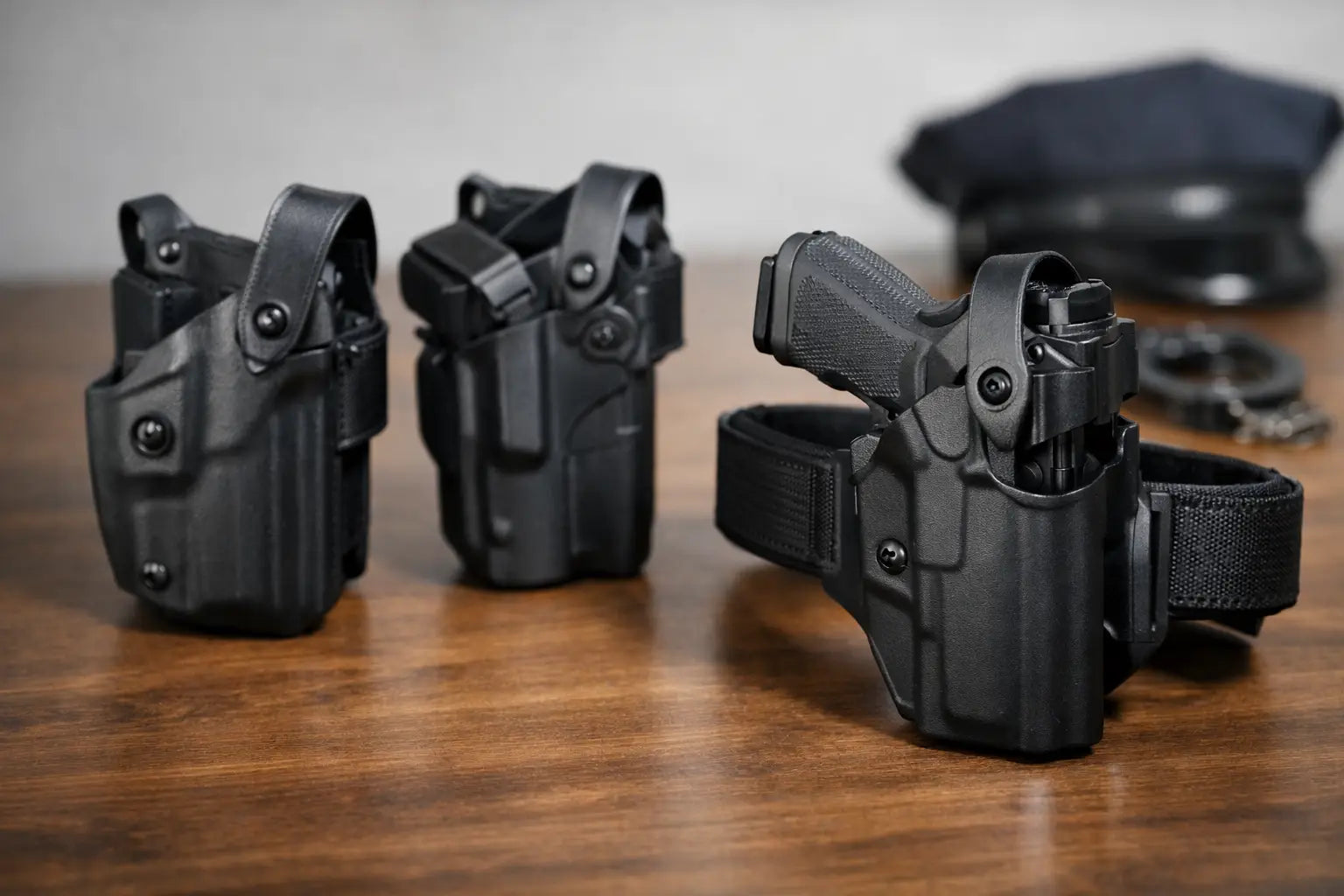
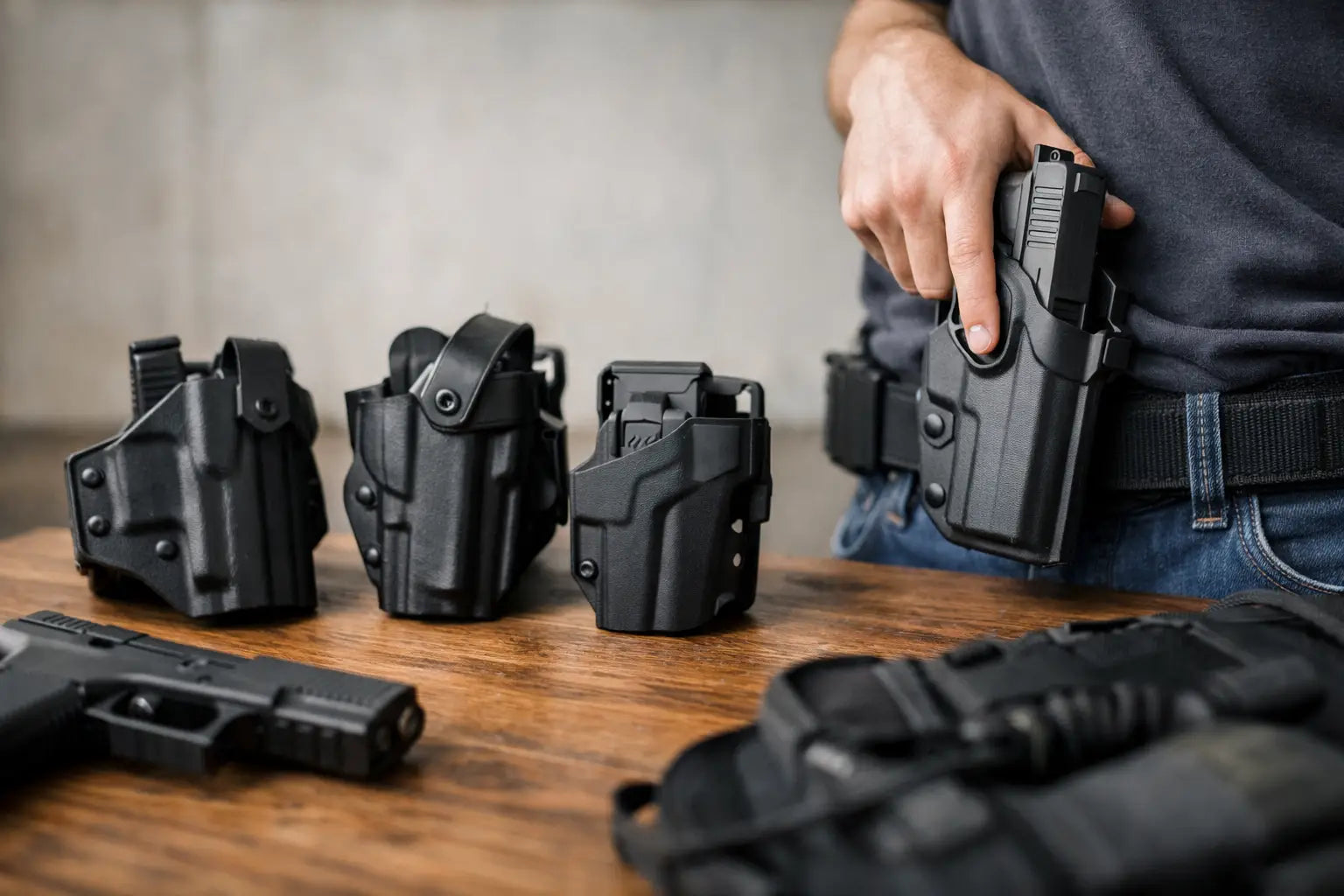
Some product groups carry more procurement risk than others. Body armor and plate carriers demand careful sizing, carrier compatibility, and policy review. Duty holsters require attention to weapon fit, retention level, mounting platform, and assignment type. Uniforms need consistency in cut, color, and availability across seasons and new-hire cycles.
Footwear is another category where shortcuts tend to backfire. Public safety personnel spend long hours standing, moving, driving, and responding under load. A boot that breaks down early or creates comfort issues becomes a performance problem, not just a line item.
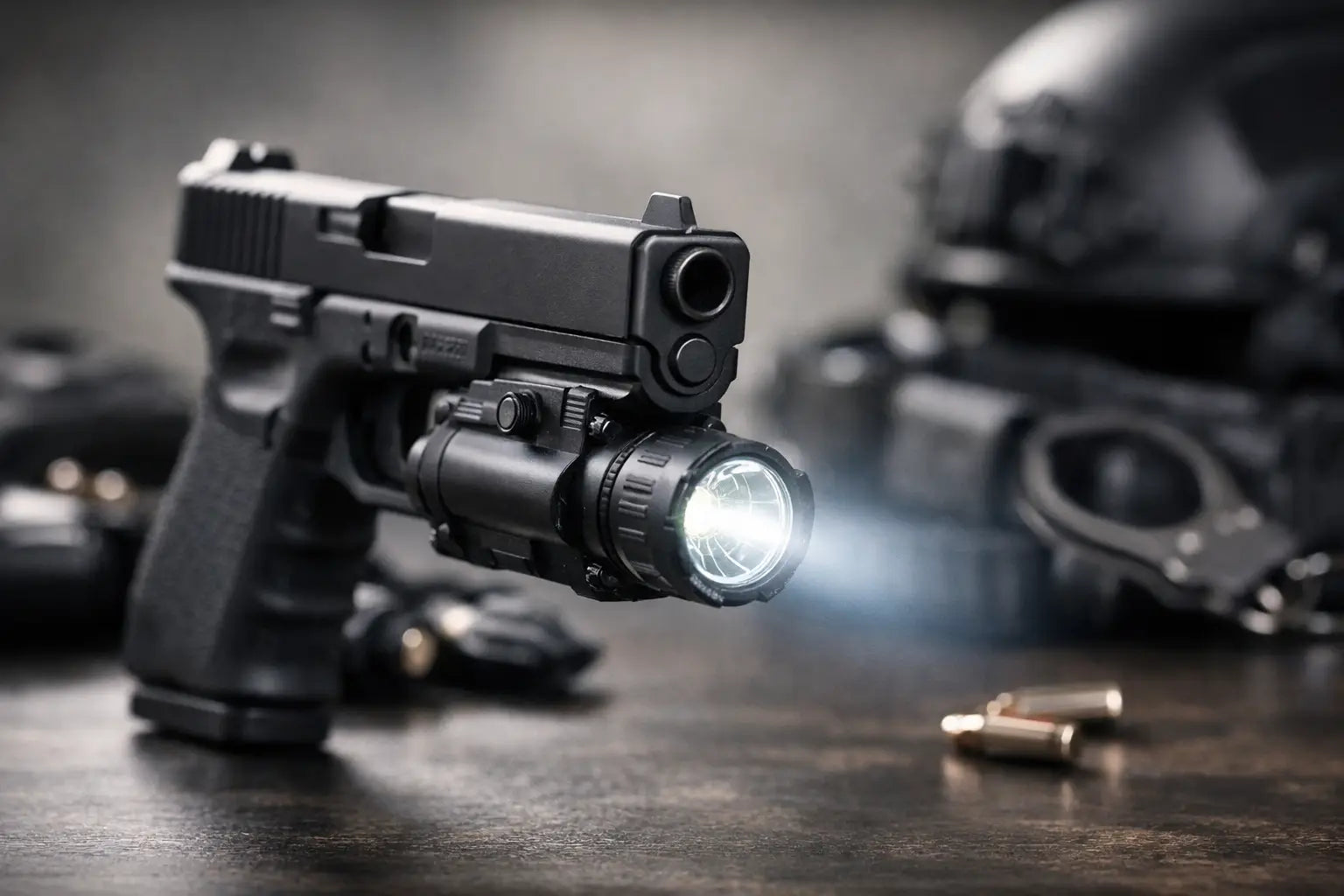
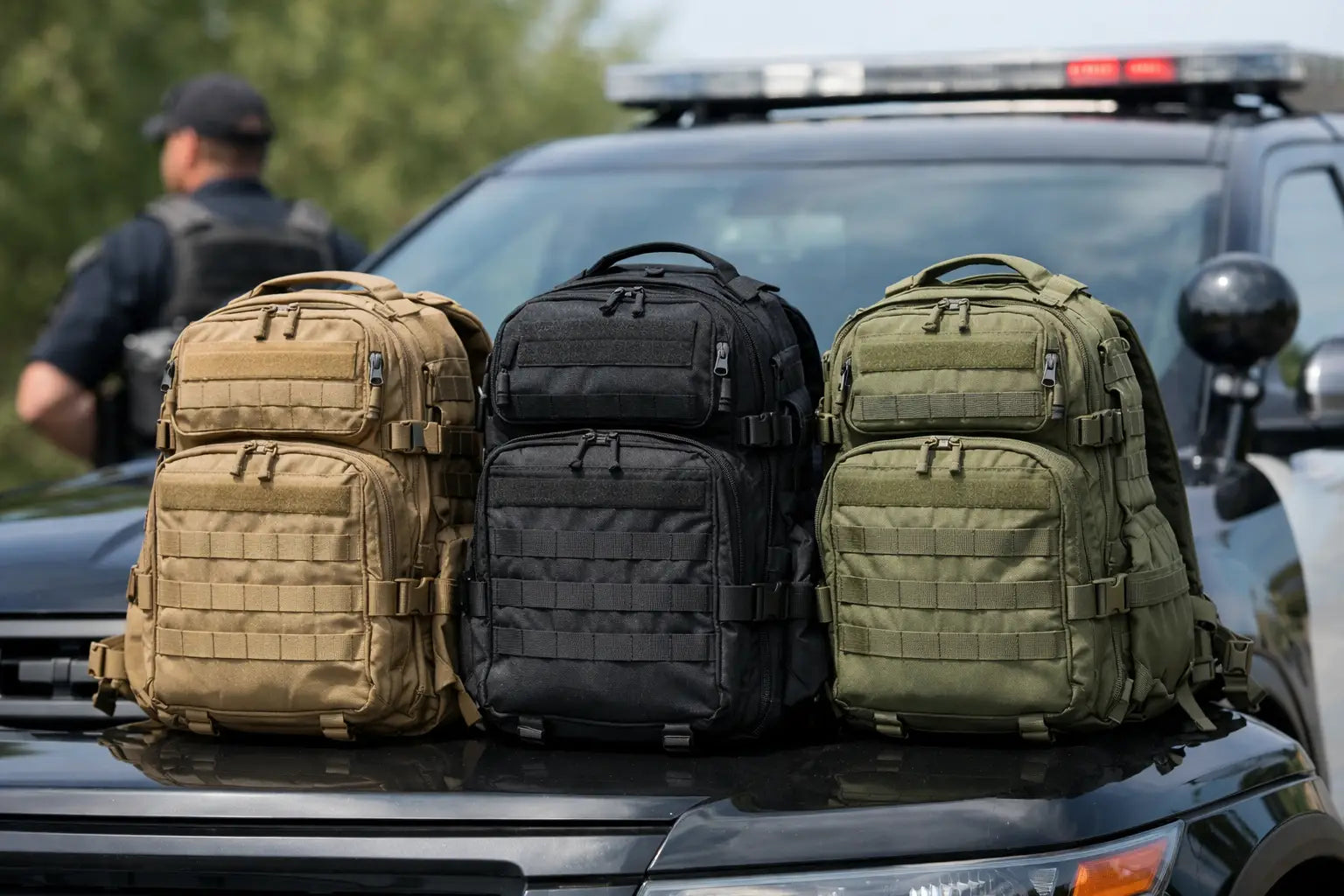
Lights, optics, knives, restraints, and bags may appear simpler, but they still need mission-based review. A patrol light, range light, weapon-mounted light, and EMS scene light are not interchangeable. The same goes for hard cases, medical bags, and training tools.
Compliance, fit, and compatibility
Most procurement friction happens after the PO, not before it. Items arrive and do not match approved specs. Holsters do not fit the issued handgun and light combination. Armor carriers do not align with existing soft armor panels. Uniform sizing runs differently than prior orders. Those issues delay rollout and create extra administrative work.
The fix is simple but often skipped. Confirm compatibility at the item level before the order is finalized. Not just brand, model, and color - also attachments, sizing conventions, mounting systems, and any required accessories. If your agency is replacing only part of a kit, that verification is even more important.
Vendor support is part of the product
A dependable procurement partner does more than ship boxes. They help agencies organize orders, confirm specs, identify substitutes when needed, and keep purchasing moving when timelines are tight. For public safety teams, service matters because delays affect staffing, onboarding, training, and readiness.
That is one reason many agencies prefer working with a specialized retailer instead of a general sporting goods source. A specialized outfitter understands categories like body armor, restraints, forensic tools, traffic safety gear, duty holsters, and protective equipment in the context of actual field use. That reduces the back-and-forth and helps buyers avoid mismatched gear.
If your agency is buying in South Florida or managing a broader national purchasing need, having access to responsive agency sales support and fast fulfillment can make a measurable difference. AE Tactical serves that role by focusing on duty-ready categories for law enforcement, security, fire, and EMS professionals rather than treating tactical gear like a side shelf.
How to keep procurement efficient over time
The best guide to agency gear procurement is not just about one successful order. It is about building a repeatable system. Keep approved product records current. Track what gets reordered most often and what creates the highest return or exchange rate. Note where lead times tend to stretch, especially in uniforms, armor-related items, and specialized accessories.
It also helps to review buying patterns by use case. New-hire outfitting, seasonal uniform adjustments, replacement cycles, and grant-funded equipment buys all move differently. Agencies that plan around those rhythms usually see fewer urgent orders and fewer costly substitutions.
Communication matters here. Procurement staff, supervisors, and the vendor should all be working from the same information. When specifications, timelines, and approval requirements are clear, orders move faster and cleaner.
Common mistakes that cost agencies time and money
One common mistake is buying by category label instead of actual use. A generic tactical bag may not meet the needs of EMS organization. A budget light may not hold up for patrol. Another is ignoring lifecycle cost. The cheaper option is not cheaper if it needs replacement twice as often.
Agencies also run into trouble when they overcomplicate standards. Too many approved variations can make reordering difficult and create inconsistency in the field. On the other hand, standards that are too rigid can hurt fit, comfort, and adoption. Good procurement usually lives in the middle - controlled, documented, and practical.
The strongest purchasing programs treat gear as part of readiness, not just inventory. When the process is built around mission need, policy compliance, and dependable support, your team spends less time correcting orders and more time getting equipped for the work ahead.