Cart
0





A vest that looks right on a product page can feel completely wrong halfway through a 12-hour shift. That is the real starting point for how to choose body armor. The right setup is not just about stopping threats. It also has to fit your assignment, your movement, your gear load, and the amount of time you will actually wear it.
For law enforcement, security, corrections, EMS, and prepared civilians, body armor is a performance decision as much as a protection decision. Buy too little protection and you may leave yourself exposed. Buy too much armor for the job and you may end up with extra bulk, heat, fatigue, and restricted movement that works against you. The best choice comes from balancing protection, comfort, coverage, and mission needs.
How to choose body armor starts with the threat
Before you compare carriers, plate cuts, or brand names, define the likely threat. That sounds obvious, but it is where many buyers get off track.
Soft armor is commonly selected for handgun threats and daily wear. It is often the practical choice for patrol, executive protection, security work, and assignments where concealment, flexibility, and comfort matter. Hard armor plates are typically chosen when rifle threats are a realistic concern. That includes tactical operations, high-risk warrant service, active shooter response, or preparedness use where rifle protection is part of the plan.
This is where it depends on your role. A patrol officer may wear soft armor every day and keep a plate carrier staged for higher-risk calls. A private security professional working access control in a lower-threat environment may prioritize discreet protection and mobility. A civilian buyer focused on emergency preparedness may accept more weight in exchange for rifle-rated plates. There is no single best answer unless you first define the threat profile.
You also need to understand that armor systems are rated for different performance standards. Those ratings matter more than marketing language. Terms like lightweight, advanced, or tactical do not tell you what level of protection you are getting. The rating and the intended use do.
Soft armor vs. hard armor
Soft armor panels are built to flex with the body, which makes them easier to wear under a uniform shirt or external carrier for long periods. They are generally lighter and more comfortable for routine use, especially in hot climates where heat management matters. The trade-off is that soft armor is not the answer for rifle threats unless it is part of a system designed to work with rifle-rated plates.
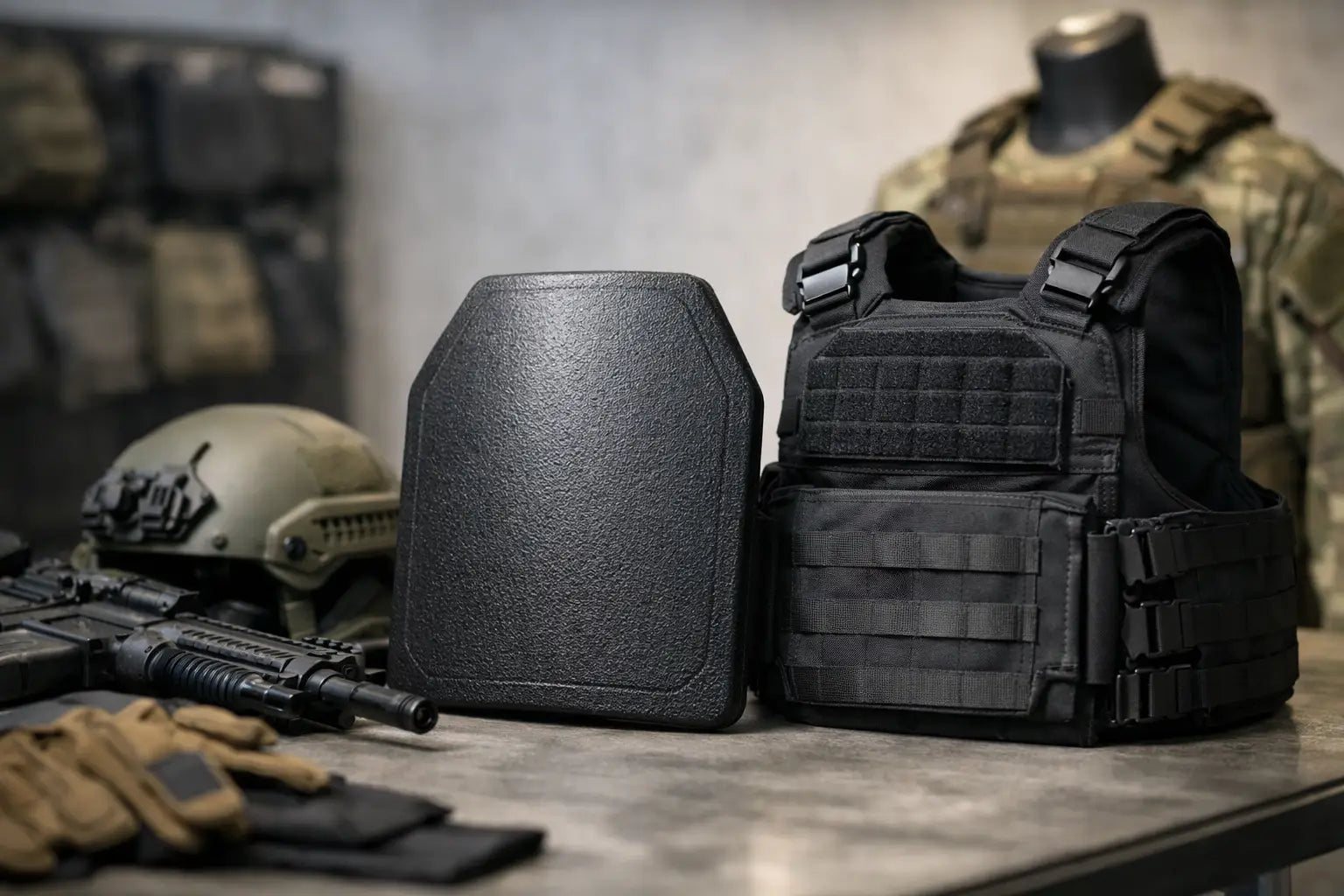
Hard armor plates are made for more serious ballistic threats, especially rifles. They are commonly worn in a plate carrier and can be built from ceramic, steel, polyethylene, or hybrid materials. Each has trade-offs.
Ceramic plates are popular because they offer strong ballistic performance at a manageable weight, but they can be more vulnerable to rough handling over time. Steel plates are durable, but weight and spall concerns make them less attractive for many professional users. Polyethylene plates can be very light, which helps with all-day wear and mobility, but price and performance details vary depending on the plate design and threat rating.
If you are trying to decide between soft and hard armor, the real question is not which one is better. It is which one fits the job. Daily wear and rifle protection are not always solved by the same setup.
Fit matters more than most buyers expect
Poor fit can turn good armor into bad gear. If the armor is too small, you lose coverage where you need it. If it is too large, it can dig into the throat when seated, interfere with shouldering a rifle, ride up during movement, or print badly under a uniform.
For soft armor, proper measurement is critical. Your vest should cover vital areas without blocking your duty belt, restricting your draw, or making it hard to sit in a patrol vehicle. For plate carriers, the plate size should match your body, not your shirt size or your guess. Buyers sometimes size up because they want more coverage, but oversized plates can hurt mobility and create fit issues fast.
A good fit should allow normal breathing, bending, and reaching. It should stay stable during movement and feel secure without being overtightened. If you wear a radio, external carrier, med gear, or other duty equipment, factor that in. Armor does not exist in isolation. It has to work with the rest of your setup.
How to choose body armor for comfort and wear time
If you will only wear the armor for short-duration response, you may tolerate more weight and bulk. If you will wear it every day, comfort becomes a mission requirement.
Weight is the first comfort issue most people notice, but it is not the only one. Heat retention, carrier design, shoulder padding, panel flexibility, and how the armor distributes load all affect fatigue. In South Florida and other hot, humid environments, this matters even more. A setup that looks manageable in a climate-controlled store can feel very different on asphalt, in a vehicle, or under direct sun.
The practical question is simple: how long can you wear this setup before it starts affecting performance? If the answer is not long enough for your actual use, keep looking. Lighter and more ergonomic armor often costs more, but the added cost may be justified if the gear is going to be worn daily or across long shifts.
Concealable vs. external carriers
Carrier style should follow the role.
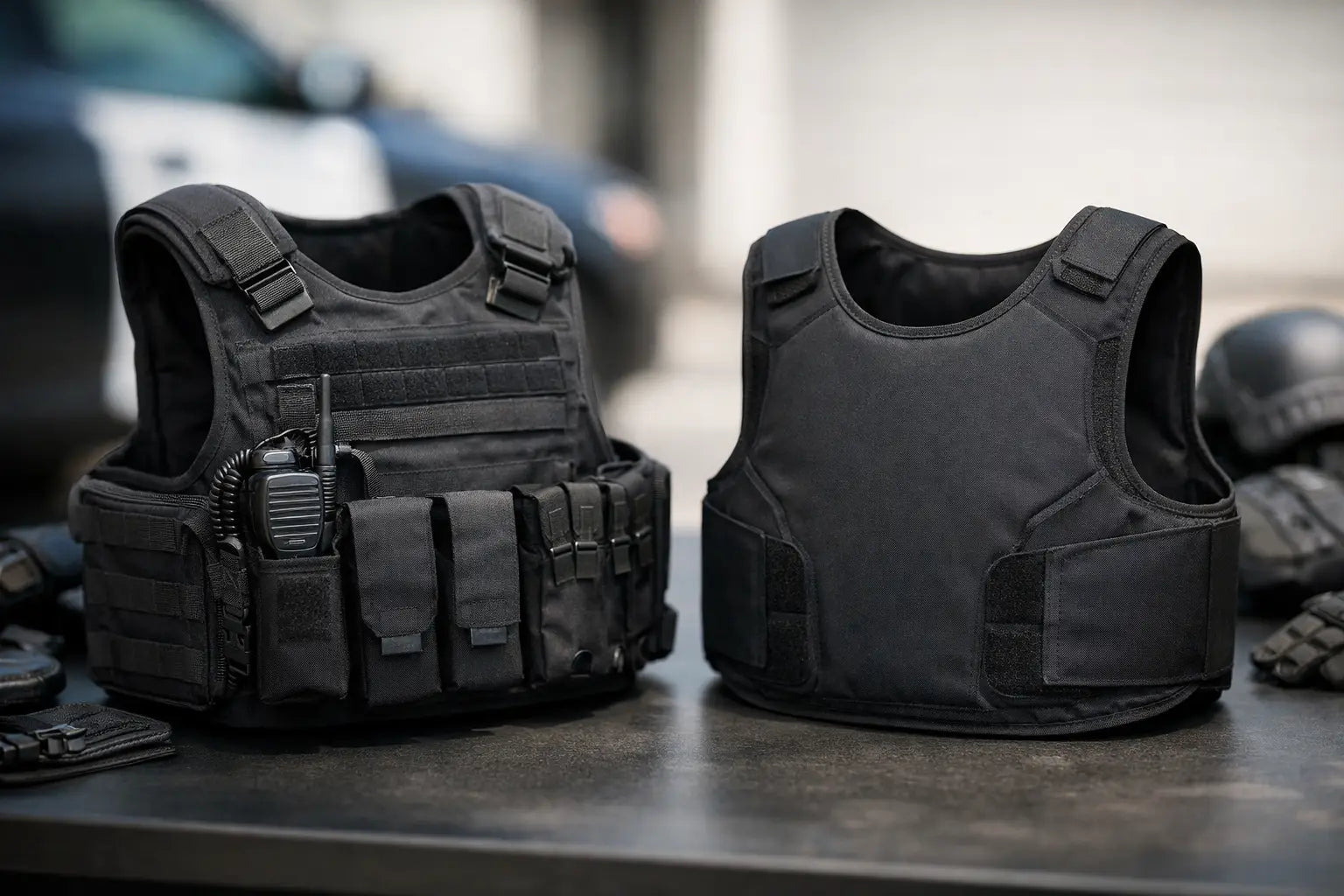
Concealable armor is usually chosen when a low-profile appearance is important. That can make sense for plainclothes law enforcement, executive protection, and some security roles. The advantage is discretion. The trade-off is typically less modularity and less room for carrying additional equipment.
External carriers are easier to don and remove, often more comfortable over long shifts, and better suited for mounting pouches, identifiers, and accessories. They are common in uniformed law enforcement and security applications. They can also improve airflow somewhat compared to tightly worn concealable systems, though they are still warm in real-world use.
Plate carriers are a separate category built around hard armor plates. Some are slick and minimal. Others are designed for a full tactical loadout. Again, the right answer depends on use. If you need a quick-deploy setup for response, a simpler carrier may be the smarter call. If you need to support rifle mags, med gear, and communication equipment, that changes the equation.
Material choices and durability
Armor is not a buy-anything category. Material quality, manufacturing standards, and trusted sourcing matter. Authorized Dealer support matters too, especially for professionals and agency buyers who need product consistency and dependable fulfillment.
Soft armor should be evaluated for flexibility, weight, carrier construction, and wear life. Hard plates should be evaluated for threat rating, weight, thickness, cut, and handling requirements. Some plates are built with multi-curve designs for better comfort. That can be worth it if you expect to wear them for extended periods.
Durability also includes the outer carrier. Stitching, adjustment hardware, cummerbund design, and how well the carrier holds shape under load all affect service life. A weak carrier can create problems even if the ballistic components are solid.
Buy for your role, not someone else’s loadout
A common mistake is buying armor based on what looks good online or what a different profession uses. SWAT, patrol, armed security, corrections, range training, and emergency preparedness all place different demands on body armor.
If you are in patrol, your priorities may be everyday comfort, reliable handgun protection, and compatibility with seated vehicle time. If you work armed security, you may need a balance of discreet wear and visible professional presentation. If you are building a preparedness kit, you may care more about rifle protection and storage-ready durability than daily comfort.
That does not mean one audience needs premium gear and another does not. It means the best value comes from buying the right configuration for the actual job. More armor is not always better. Smarter armor is better.
A practical buying checklist
When you are ready to buy, narrow the choice with a few simple questions. What threat are you preparing for most realistically? How many hours at a time will you wear it? Do you need concealment or an external setup? Will you be seated, moving on foot, or running a rifle? Do you need a stand-alone solution or a scalable system with add-ons?
Also ask about sizing guidance, carrier adjustment range, replacement cycles, and whether the armor works with your existing duty gear. For agency purchases, consistency across units and repeat availability matter just as much as specs on paper. That is one reason many professionals prefer working with specialized retailers like AE Tactical that understand duty use and agency support.
The right body armor should feel like equipment you can trust, not equipment you have to fight all day. Start with the threat, be honest about how you will actually use it, and choose the setup you can wear with confidence when the job gets real.