Cart
0





A uniform gets judged fast. Clients notice it, the public responds to it, and the officer wearing it feels every weak point by mid-shift. That is why security guard uniform essentials are not just about appearance. They shape comfort, authority, mobility, and day-to-day readiness on the job.
For private security teams, front desk officers, mobile patrol units, event staff, and site supervisors, the right uniform has to do several things at once. It needs to present a professional image, support the tasks of the post, hold up through repeated wear, and stay compliant with company or state requirements. If one part fails, the whole setup starts working against the officer instead of for them.
What makes a security uniform essential
The word essential gets used loosely, but on duty it should mean something specific. A true uniform essential helps the officer perform better, stay comfortable longer, or meet a clear operational need. That can be a breathable uniform shirt in South Florida heat, cargo pants that hold required gear without sagging, or duty boots that keep an officer stable during long standing shifts.
The key is matching the uniform to the assignment. A concierge security officer in a corporate lobby does not need the same setup as a patrol officer covering a warehouse district at night. One may need a polished Class A appearance with minimal visible gear. The other may need a more durable Class B or tactical-style uniform that supports movement, outerwear, and equipment access.
That is where many uniform purchases go wrong. Buyers focus on looks first, then try to force the same shirt, pants, and boots across every role. In practice, it depends on environment, threat level, client expectations, and how much gear the officer carries.
Security guard uniform essentials for daily duty
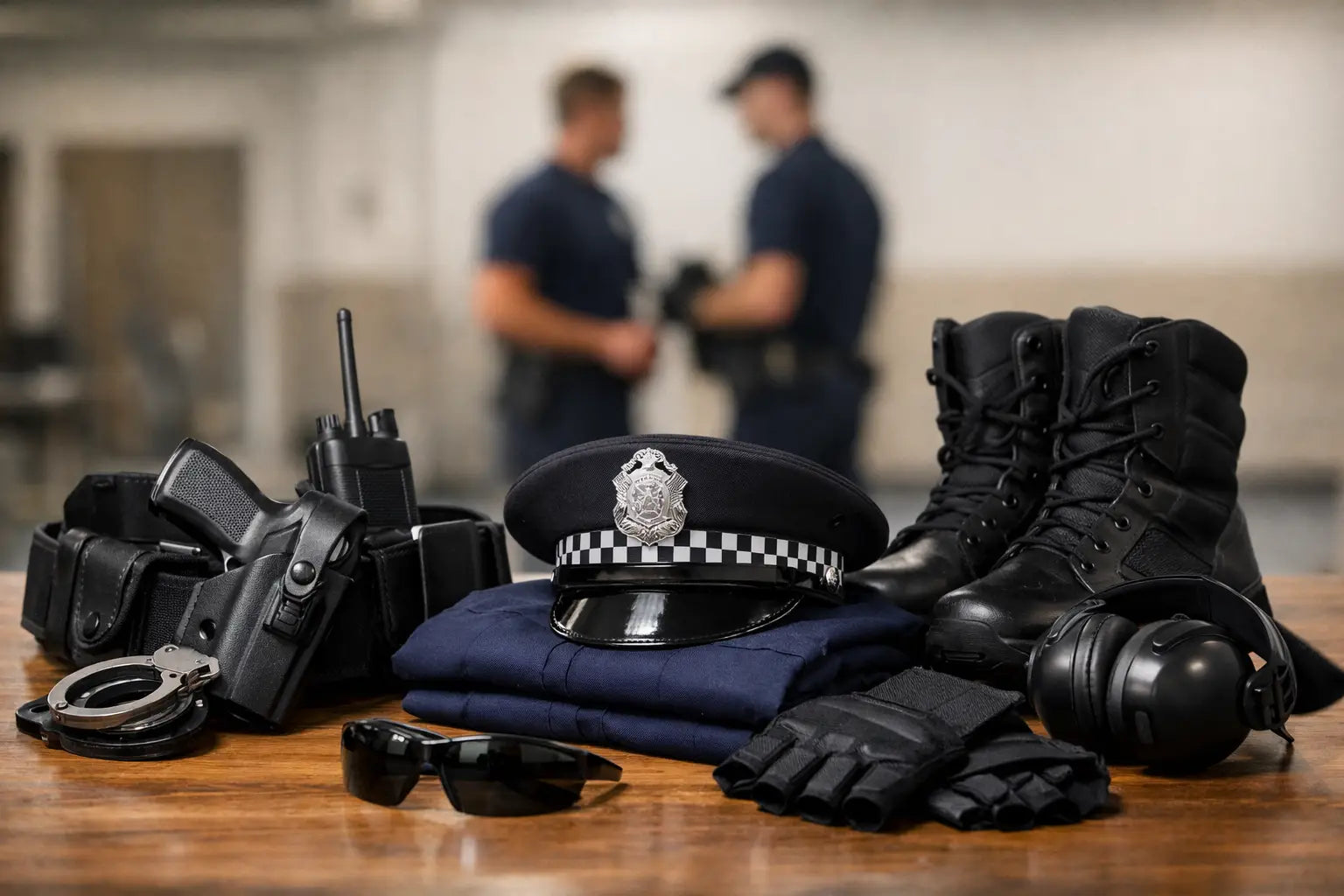
At the core of most security guard uniform essentials are the same few categories: shirts, pants, outerwear, boots, belts, and identification features. The details within each category are what separate a decent setup from one that performs reliably week after week.
Uniform shirts
A duty shirt has to keep a clean profile while staying comfortable through a full shift. For many officers, that means moisture-wicking fabric, wrinkle resistance, and enough structure to maintain a professional look. Ripstop and poly-cotton blends can make sense for active patrol work, while a more traditional pressed shirt may fit front-facing assignments better.
Collar structure, pen slots, badge tabs, and mic loop placement matter more than they seem on the hanger. If the shirt does not support the officer's communication gear or constantly bunches under a vest, it becomes a distraction. In hotter climates, vented panels and lightweight performance fabric can make a real difference.
Duty pants
Pants take more abuse than almost any other part of the uniform. Officers bend, kneel, climb, drive, and stand for hours. Cheap fabric and poor stitching show up quickly at the knees, seat, and pocket edges.
A solid duty pant should balance appearance with function. Cargo pockets are useful, but oversized pockets can look sloppy in formal settings. Stretch panels improve mobility, but too much athletic styling may not align with a client's dress standard. For many security operations, the best option is a clean, durable duty pant with enough pocket space for gloves, a notepad, or other small-duty items without looking overloaded.
Duty boots and footwear
If the post involves walking, perimeter checks, stairwells, or extended standing, boots are not an accessory. They are part of the officer's ability to finish the shift without fatigue or distraction. Slip resistance, ankle support, and a stable outsole matter more than aggressive styling.
Not every security job calls for a heavy tactical boot. Some indoor officers do better with a polished, lightweight duty shoe that maintains a professional appearance. Outdoor patrol, industrial sites, and overnight details usually demand more support and durability. Waterproofing can help in wet conditions, but it often adds heat. That trade-off is worth considering before standardizing one boot for every officer.
Duty belts and load support
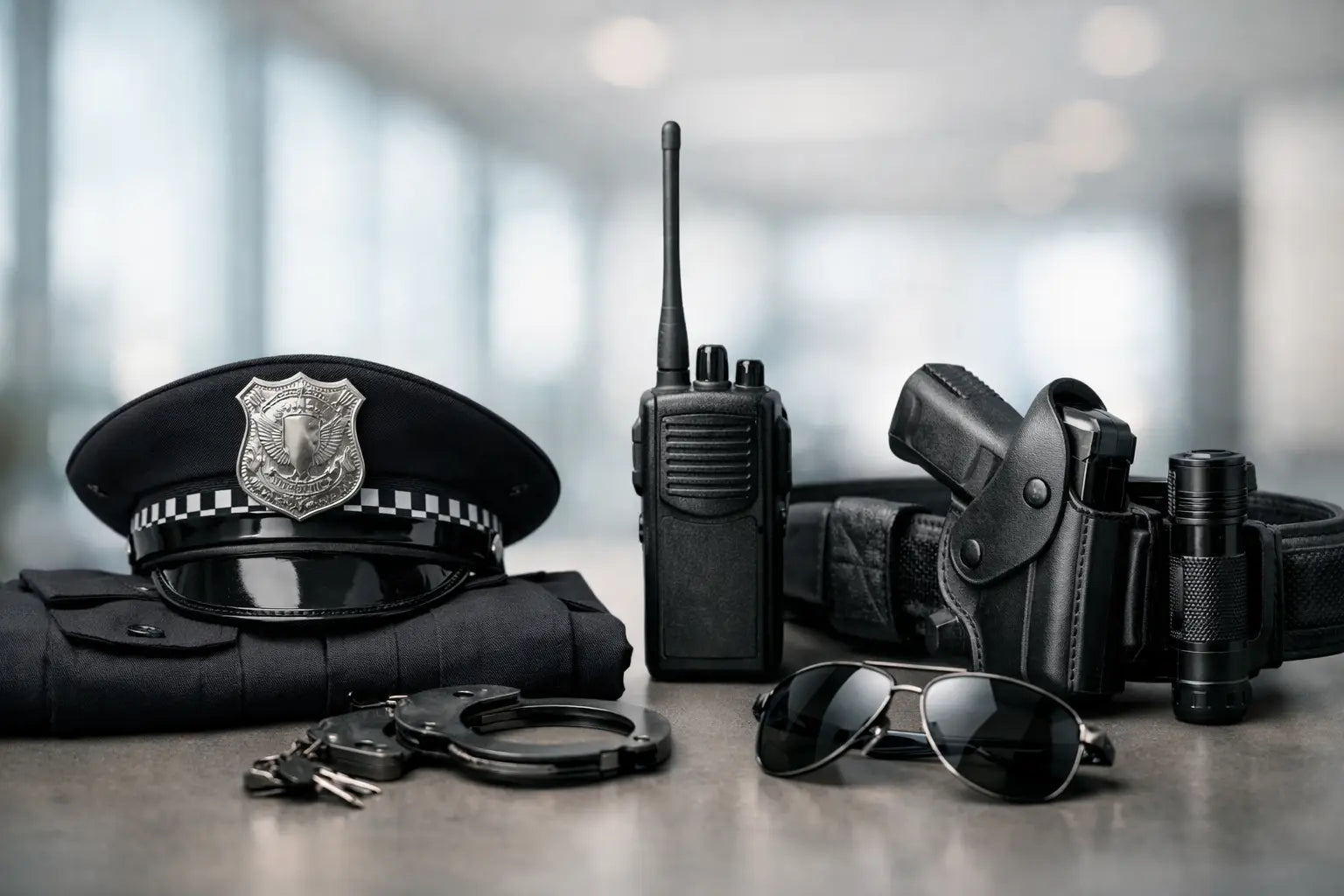
A uniform is only as functional as the way it carries essential gear. Duty belts need to support radios, flashlights, glove pouches, key holders, and other assigned equipment without shifting or digging into the hips all day.
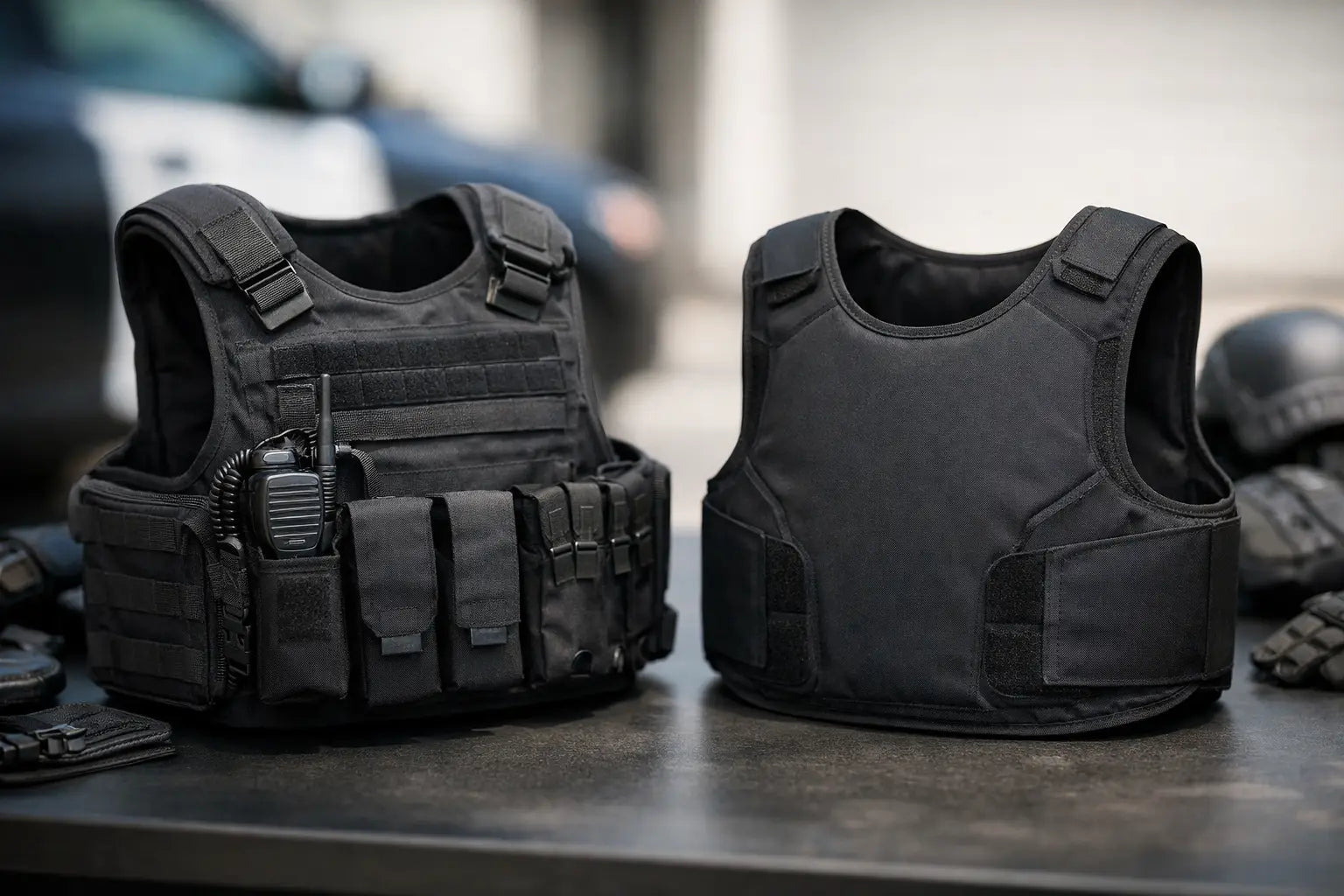
A basic belt may be enough for low-profile posts, but officers carrying more equipment often benefit from a reinforced duty belt system. Keep in mind that overloading the waist creates fatigue fast. In some cases, moving certain items to external carriers or load-bearing outer garments improves comfort and access. It depends on the post and the equipment list.
Appearance, authority, and identification
A good security uniform should look intentional. Clear identification helps the public understand who the officer is, and it protects the client from confusion with unauthorized personnel. Patches, badges, nameplates, and visible SECURITY markings are often part of that equation.
This is one area where consistency matters. Shirts that do not match pants, mixed shades of black or navy, worn-out outerwear, and different badge placements all weaken the professional image of the team. The uniform does not need to look militarized to project authority. It needs to look clean, coordinated, and appropriate for the assignment.
There is also a legal and policy side to appearance. Some states or clients have rules about badge style, shirt color, insignia placement, or how security officers are visually distinguished from law enforcement. That is why uniform selection should never be based on looks alone. Compliance needs to be part of the buying process from the start.
Weather and post conditions change what is essential
The environment should drive the uniform, not the other way around. An officer working in South Florida heat, humidity, and sudden rain needs a different setup than an officer assigned to a climate-controlled hospital or a cold-weather gate post.
Lightweight shirts, breathable pants, moisture management, and socks that reduce heat buildup become more important in hot regions. For nighttime patrol or storm exposure, outerwear needs to add weather protection without blocking access to radios or belt gear. A bulky jacket that prevents an officer from reaching key equipment is a problem, even if it keeps them warm.
High-visibility elements may also be essential depending on the assignment. Traffic control, parking enforcement, construction site security, and event perimeter work often call for gear that increases visibility around moving vehicles or low-light environments. In those roles, visibility is not optional. It is part of the safety plan.
Choosing security guard uniform essentials for durability
Uniform replacement costs add up fast when buyers chase the lowest price. A cheaper shirt or pair of pants can look like a savings until fading, tearing, or shape loss shows up after a few washes. For agencies and contract security companies, that cycle becomes expensive and inconsistent.
Durability starts with fabric quality, reinforced stress points, dependable closures, and brands known for duty use rather than casual wear. It also comes down to buying for actual field conditions. If officers regularly work outside, in vehicles, or around abrasive surfaces, those garments need to be built for that workload.
The best value is usually not the cheapest item on the shelf. It is the product that holds its appearance, performs through repeated shifts, and does not need early replacement. That matters for individual officers spending their own money and for procurement teams managing larger uniform programs.
Fit matters more than most buyers expect
A security uniform can check every box on paper and still fail if the fit is off. A shirt that pulls across the shoulders, pants that bind when crouching, or boots that create hotspots by hour three are not minor issues. They affect posture, movement, and focus.
Proper sizing also affects appearance. Uniforms that are too loose can look unprofessional and make gear carry less stable. Uniforms that are too tight wear out faster and limit mobility. Officers should have enough room to move naturally, wear required underlayers if needed, and carry assigned equipment without fighting the garment all shift.
For teams outfitting multiple officers, it helps to standardize brand and model where possible but still allow for fit variations. Not every body type works with the same cut. A little flexibility in sizing and fit options usually improves compliance and wear satisfaction.
Build the uniform around the job, not the catalog
The best uniform programs start with the post order and the officer's actual workload. What gear is carried? How public-facing is the role? Is the officer inside, outside, mobile, static, or moving between all of those? Those answers shape what is truly essential.
For some teams, that means a polished shirt and lightweight duty footwear. For others, it means performance fabrics, durable cargo pants, weather-ready outerwear, and stronger load-bearing support. A specialized outfitter like AE Tactical can help narrow those choices based on real duty use, not guesswork.
When a uniform is chosen with the job in mind, officers look sharper, feel better, and stay more effective through the full shift. That is the standard worth building toward every time you gear up.