Cart
0





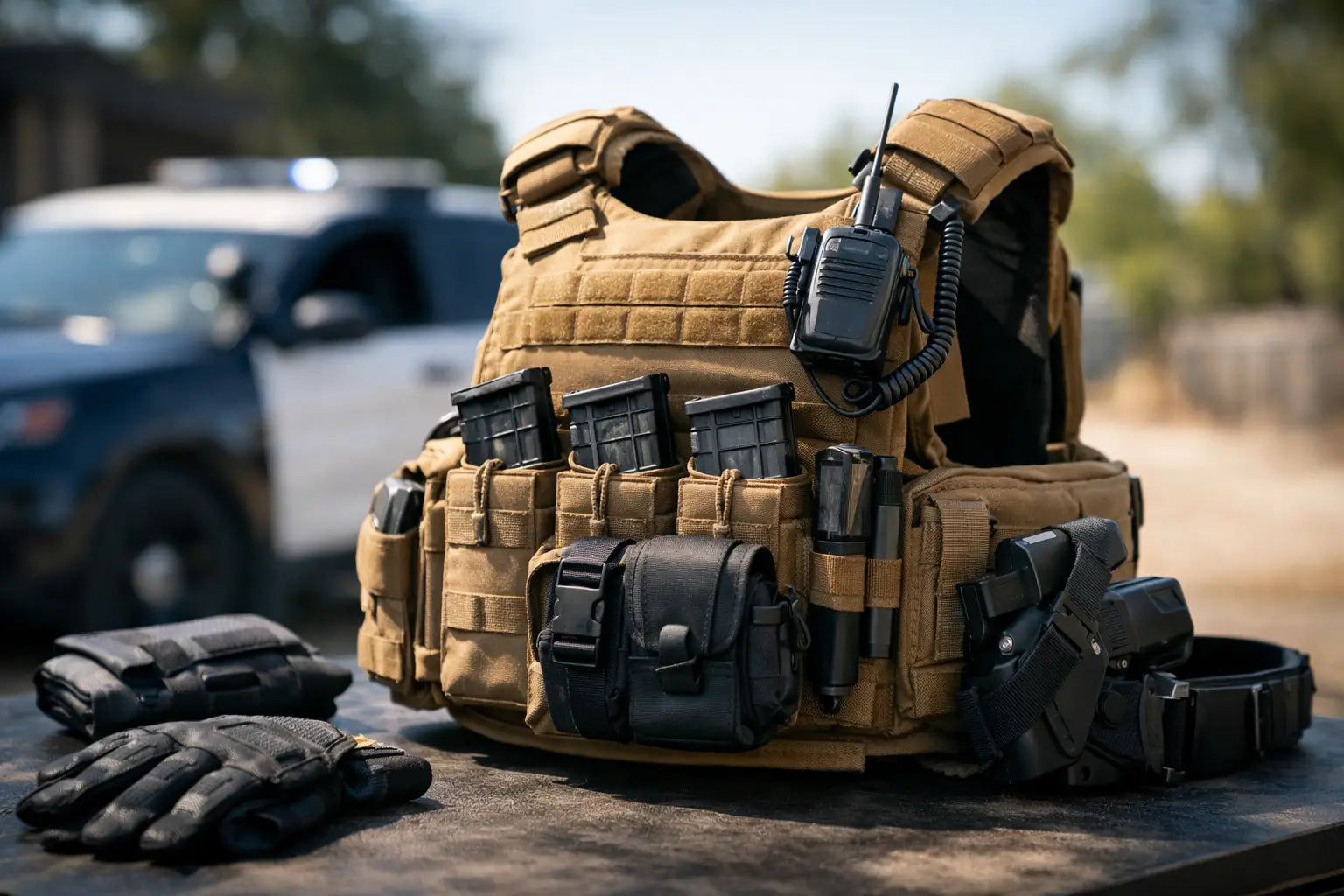
A plate carrier setup for patrol has to solve a simple problem under pressure: carry the gear you actually need, protect vital areas, and stay out of your way in a vehicle, on a perimeter, or during a fast approach. If your carrier is overloaded, badly balanced, or built like a SWAT rig for routine patrol, it will show up at the worst time - when you need clean access, mobility, and endurance.
What patrol really demands from a plate carrier
Patrol work is full of transitions. One minute you are seated and belted in a cruiser, the next you are moving on foot, making contact, handling a domestic, backing another unit, or holding a perimeter for an extended time. That matters because a good patrol carrier is not just about armor coverage. It is about how the whole system performs across movement, time, and changing call types.
That is why patrol setups usually work best when they stay lean. Officers often try to turn a carrier into a full replacement for every pouch and tool on the duty belt. Sometimes that is necessary under policy or assignment, but in most cases it creates bulk, adds fatigue, and makes vehicle movement worse. A patrol carrier should complement your belt and uniform, not compete with them.
Start with the mission, policy, and threat level
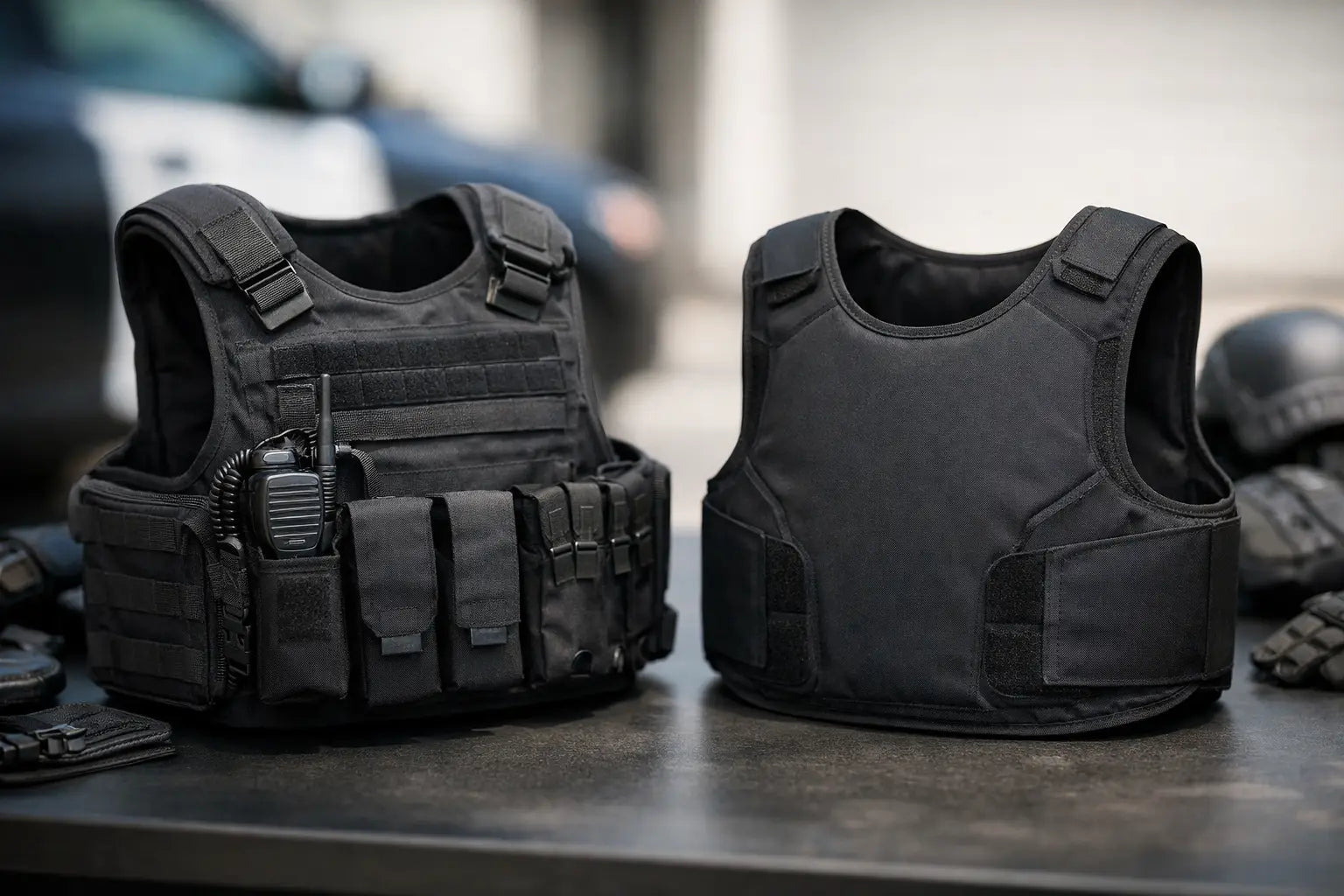
Before pouch placement even enters the conversation, define the role of the carrier. Is it a daily-wear external carrier with armor inserts, or an active-threat plate carrier kept in the vehicle for higher-risk incidents? Those are two different setups, and mixing them usually leads to a carrier that does neither job well.
A daily patrol carrier typically prioritizes comfort, lower profile fit, and access to a few high-use tools. An active-threat setup can support rifle plates, rifle mags, and more specialized equipment because it is not worn all shift on every call. Department policy matters here too. Magazine placement, identification panels, medical gear, and approved accessories may all be dictated by agency standard.
If your policy leaves room for officer preference, keep that freedom under control. The right answer is not the most gear. The right answer is the gear that supports your assignment, your environment, and your response expectations.
Plate carrier setup for patrol: keep the front clean
The front of the carrier should stay as flat and efficient as possible. This is the area that hits the steering wheel, seatbelt, rifle stock, and the ground if you go prone behind cover. Thick admin pouches and stacked magazine shingles may look capable, but they can create real problems in a cruiser and during shoulder transitions.
For many patrol officers, the front should hold identification and little else beyond what is mission-critical. If your carrier is a rapid-deployment active-threat rig, a low-profile rifle mag placard may make sense. If it is worn through the shift, keeping the front slick is usually the smarter call. You gain comfort in the car, reduce snag points, and make it easier to shoulder a long gun cleanly.
This is one of the biggest trade-offs in any plate carrier setup for patrol. More equipment on the chest can improve immediate access. It can also slow you down every other minute of the day.
Side space is useful, but easy to abuse
Cummerbund and side real estate should be treated carefully. A radio mounted too far back is hard to reach. Mounted too far forward, it can interfere with arm swing and rifle presentation. Handcuffs, a tourniquet, and a small medical pouch can work on the sides if they stay low bulk and remain reachable with either hand when possible.
The problem is cumulative thickness. A radio, spare mag, cuff case, and med pouch may all fit on paper, but once they stack around the torso, entering and exiting the vehicle becomes less efficient. Heat management also gets worse. South Florida officers know that extra bulk and trapped heat are not minor issues.
Balance armor, ammunition, and medical access
Most patrol officers building out a carrier focus first on magazines. That makes sense, but medical gear deserves the same level of planning. A tourniquet should be immediately accessible and consistently placed. If you carry a more complete individual first aid kit on the carrier, make sure it does not become a large dead weight that is hard to reach under stress.
Magazine count depends on assignment and what lives on your duty belt or in your vehicle. Some officers want one or two rifle mags on the carrier for active-threat response and leave pistol reloads on the belt. Others keep all rifle ammunition off the carrier until a specific deployment. Both approaches can work if they reflect your actual response plan.
The mistake is building around worst-case fantasy instead of likely use. Patrol needs readiness, but it also needs discipline. Every pouch should answer a clear question: what problem does this solve on patrol, and can I reach it when I need it?
Radio placement should support movement and communication
Your radio is one of the most used items on the rig, so placement matters more than many accessories that get more attention. It should be easy to operate with gloved or wet hands, accessible when seated, and secure during a foot chase or ground fight. Shoulder-mounted microphone routing should also be tested with your seatbelt, outer garment, and rifle sling.
A common patrol solution is a single radio pouch high on the support side, where it stays available but does not dominate the centerline. That said, body type, handedness, and vehicle setup all change what feels natural. Test it in the car, not just in front of a mirror.
Fit matters more than extra pouches
A well-fitted carrier beats a heavily accessorized one every time. Plates should ride high enough to protect vital structures, and the carrier should stay stable without crushing your breathing or restricting movement. If the carrier shifts every time you run or kneel, no pouch layout will fix the problem.
Straps should be adjusted with your duty uniform in mind, not a T-shirt in the garage. If you work in heat, expect sweat, movement, and fatigue to expose bad fit quickly. If your shoulder straps are overloaded or badly positioned, they can also interfere with shouldering a rifle or carrying a shotgun.
This is where buying from a specialized outfitter matters. Public safety professionals need gear that supports real operational use, not a generic setup built for photos. A carrier that fits your armor, assignment, and daily wear pattern is usually a better investment than adding more accessories to the wrong platform.
Build around your belt, not against it
One of the smartest ways to improve a patrol setup is to stop asking the carrier to do everything. Your belt already carries proven essentials in familiar positions. If your draw stroke, cuffs, baton, or pistol magazines are solid on the belt, there is no prize for duplicating those tools on the vest unless policy or assignment requires it.
Think of the carrier as a place for items that benefit from elevated access or need to stay with the armor package. Radio, medical, identification, and limited rifle support are common examples. This division keeps the system cleaner and helps preserve muscle memory.
It also makes replacement and troubleshooting easier. If one part of your loadout changes, you are not rebuilding your whole duty setup around it.
Train in the exact plate carrier setup for patrol you carry
A patrol carrier should be tested in realistic conditions, not just adjusted once and forgotten. Sit in the cruiser with it. Run with it. Practice seatbelt exits, rifle presentations, prone work, and one-handed access to your tourniquet. If a pouch blocks a mag draw, jams into your ribs, or catches the steering wheel, fix it before shift work exposes it for you.
Repetition also reveals what you do not need. Gear that seemed essential during setup often turns out to be dead weight after a few range sessions or callouts. That is a good thing. Patrol setups improve when they are stripped down to what consistently works.
Seasonal changes matter too. Rain gear, outerwear, and changing call volume can all affect comfort and access. The best carrier setups are not static. They are refined over time without turning into clutter.
A practical patrol layout philosophy
For most officers, the best patrol philosophy is simple: protect the vitals, keep the front clean, place high-use items where they are easy to reach, and avoid loading the carrier with gear that belongs elsewhere. That means a stable plate carrier, clear ID, one well-placed radio, accessible medical, and only the ammunition or tools that support your actual patrol role.
There are exceptions. Rural patrol, specialized assignments, supervisor roles, and active-threat expectations can all justify changes. But even then, the same rule applies. If an item adds bulk, it needs to add real value.
A good setup should disappear into your work. You should not be fighting it every time you sit down, shoulder a rifle, or move quickly. Build for the calls you are actually going to handle, then pressure-test every choice until the carrier earns its place on shift.