Cart
0





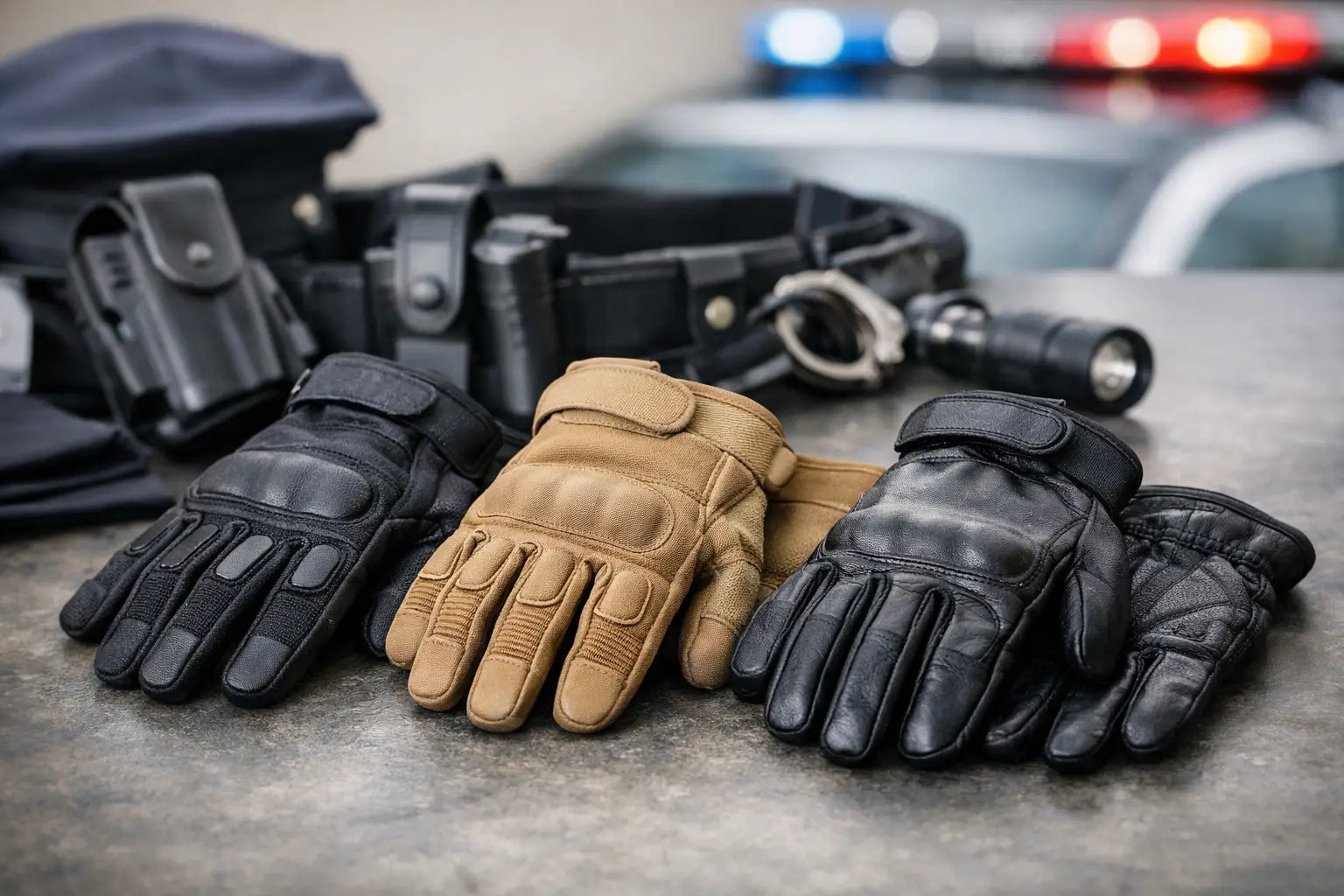
A glove that feels fine behind a counter can become a liability halfway through a shift. When you need to operate a radio, search a vehicle, control a subject, write a report, or protect your hands at a scene, the wrong pair gets in the way fast. Knowing how to choose patrol gloves starts with matching the glove to the work you actually perform, not simply choosing the heaviest protection available.
For law enforcement, corrections, private security, and other public safety professionals, patrol gloves are daily equipment. They need to protect without turning routine tasks into a struggle. The best choice is usually a balance of dexterity, grip, fit, protection, and climate suitability.
How to Choose Patrol Gloves by Your Assignment
Start with the role your gloves will play most often. A patrol officer working vehicle stops and calls for service has different needs than a detention officer, armed security professional, traffic unit, or range instructor. One glove rarely excels at every task.
For general patrol, prioritize a close fit, dependable palm grip, touchscreen capability, and enough flexibility to access controls, operate a firearm safely, handle restraints, and use a phone or MDT. A thin-to-medium duty glove is often the practical choice because it stays on through more of the shift.
Corrections and security personnel may place greater value on abrasion resistance, reinforced palms, and durability around door hardware, searches, and physical contact. If your work includes frequent pat-downs or searching bags, vehicles, and personal property, you may also want a glove with cut-resistant lining. Remember that cut resistance does not mean puncture-proof or needle-proof. It is one layer of protection, not permission to handle hazards carelessly.
For range training or firearms instruction, choose a glove that gives you consistent trigger-finger movement and a secure feel around weapon controls. Thick seams, loose fingertips, and overly padded fingers can interfere with manipulation. Test gloves with your duty setup before relying on them in training or on post.
Fit Comes Before Features
A glove can have quality materials and useful protection features, but it will not perform well if it does not fit correctly. Patrol gloves should feel secure across the palm and fingers without cutting off circulation or restricting hand movement.
Measure your dominant hand according to the manufacturer’s sizing chart rather than assuming your usual clothing size will translate. Sizing varies between brands and models. If you fall between sizes, consider how you plan to use the glove. A slightly closer fit generally improves dexterity, while a little more room may be preferable for cold-weather layering or extended wear.
Check the fingertips first. There should not be excess material bunching at the ends of your fingers, especially at the trigger finger and thumb. That extra fabric reduces tactile feedback and can make small controls harder to operate. At the same time, a glove that pulls tightly when you make a fist will fatigue your hand and may split at stress points.
Close the wrist closure, make a fist, spread your fingers, simulate drawing a tool, and pick up a pen or key. If the glove shifts, binds, or leaves your fingertips floating in empty space, keep looking. A secure hook-and-loop wrist closure can help keep debris out and prevent the glove from moving during active work.
Choose Materials for Grip, Feel, and Wear
Material selection affects how patrol gloves handle, breathe, and hold up over time. Synthetic leather is common in duty gloves because it can provide dependable grip, good abrasion resistance, and a more uniform feel in wet or dry conditions. It is often easier to care for than natural leather and usually performs well for all-purpose patrol use.
Goatskin or other leather palms can offer excellent feel and durability, particularly for professionals who prefer a traditional work-glove grip. The trade-off is that leather may need more care, can stiffen after repeated wet exposure, and may take longer to dry. It can be an excellent option, but it is not automatically the best option for humid, rainy, or high-sweat environments.
Breathable stretch fabric across the back of the hand improves comfort in hot weather and supports hand movement. This matters in South Florida heat, where a fully insulated or heavily padded glove can become uncomfortable quickly. However, lighter stretch panels may wear faster than leather or reinforced synthetic materials if you regularly work around rough surfaces.
Look closely at the palm construction. Reinforced panels in high-wear areas can extend service life, while textured grip sections help with steering wheels, tools, flashlights, and wet equipment. More padding can reduce impact fatigue, but too much palm bulk reduces your ability to feel what you are handling. That trade-off matters during searches and equipment manipulation.
Decide What Protection You Actually Need
Protective features should be tied to a realistic hazard, not selected because they sound impressive on a product tag. Patrol gloves may offer knuckle protection, reinforced palms, cut resistance, flame resistance, insulation, or impact padding. Each feature adds something, but it can also add bulk, heat, stiffness, or cost.
Hard knuckle protection is useful for assignments with a credible risk of impact or abrasion, but it may be unnecessary for routine administrative, community-facing, or plainclothes work. Some professionals prefer low-profile padded knuckles because they offer modest protection without drawing attention or making the glove feel rigid.
If you need cut-resistant gloves, check the stated cut-resistance rating and understand its limits. Cut resistance helps reduce injury from sharp edges such as glass, metal, and blades. It does not reliably protect against hypodermic needles, powered tools, or every puncture hazard. For medical or contamination concerns, carry disposable nitrile gloves as part of your response plan. Disposable gloves are not a replacement for patrol gloves, and patrol gloves are not a replacement for proper medical barrier protection.
Cold-weather insulation is another area where more is not always better. Insulated gloves protect comfort and hand function in low temperatures, but heavy insulation reduces dexterity. Many officers maintain a standard patrol pair and a separate insulated pair rather than trying to make one glove cover every season.
Prioritize Dexterity and Touchscreen Use
Modern patrol work involves constant interaction with electronics. Radios, mobile devices, vehicle computers, body-worn camera controls, access systems, and flashlights all demand finger control. Touchscreen-compatible fingertips can save time, but their effectiveness varies by glove design and by device screen.
Do not assume a touchscreen label means every finger will work equally well. Test the thumb and index finger on the equipment you use most. A glove should let you answer a call, enter basic information, adjust a map, and use common controls without repeatedly removing it.
Dexterity also means being able to feel edges, fasteners, and objects during a search. Extremely thick gloves may offer more coverage, but they can reduce the feedback that helps you recognize hazards. For many patrol professionals, a close-fitting glove with a durable palm and flexible fingers delivers better day-to-day value than a heavily armored model.
Match Your Gloves to Weather and Shift Length
Heat, humidity, rain, and long shifts change how gloves perform. In warm climates, ventilation and moisture management are not minor comfort features. Sweat can make a glove slippery, cause rubbing, and shorten its usable life. Breathable materials, absorbent interior surfaces, and a fit that does not trap excess heat can make a major difference over a 10- or 12-hour shift.
Wet conditions call for a palm that maintains grip when damp and materials that dry reasonably well. A glove that becomes slick or stiff after rain is a poor choice for regular field use. In colder regions, plan for layers and reduced finger movement. Keep an insulated pair available, but retain a more dexterous glove for tasks requiring fine control.
Consider carrying a backup pair in your duty bag or vehicle. Gloves get soaked, contaminated, torn, or misplaced. A second pair keeps a small equipment problem from becoming an operational issue.
Test Patrol Gloves Before You Commit
The best time to find out that gloves interfere with your gear is not during a call. Once you receive a pair, use them during controlled training or routine work before making them your primary duty gloves.
Wear them while handling your radio, flashlight, keys, handcuffs, and writing tools. If authorized and safe in your training environment, confirm that they work with your firearm, holster, magazines, and other issued equipment. Drive with them on. Use your phone or MDT. Practice opening and closing the wrist closure after repeated movement.
Pay attention to pressure points after an hour or two. A seam that seems minor at first can become painful during a full shift. Also inspect the gloves after training for loose stitching, palm wear, and separation around the fingers. Duty gloves should be dependable, but they are consumable gear. Replace them when grip, fit, or protective capability is compromised.
Build a Practical Glove Setup
Many professionals are better served by two or three purpose-specific glove options than by one compromise pair. A standard dexterous patrol glove can cover most routine duty tasks. Add disposable nitrile gloves for medical and contamination control, then keep a heavier cold-weather, cut-resistant, or work glove available when your assignment warrants it.
AE Tactical serves public safety professionals with duty-ready equipment selected for real field use. When comparing gloves, focus on the job, the conditions, and the equipment in your hands every shift. A pair that fits correctly and supports your actual work will earn its place on your belt, in your bag, or in your patrol vehicle.