Cart
0





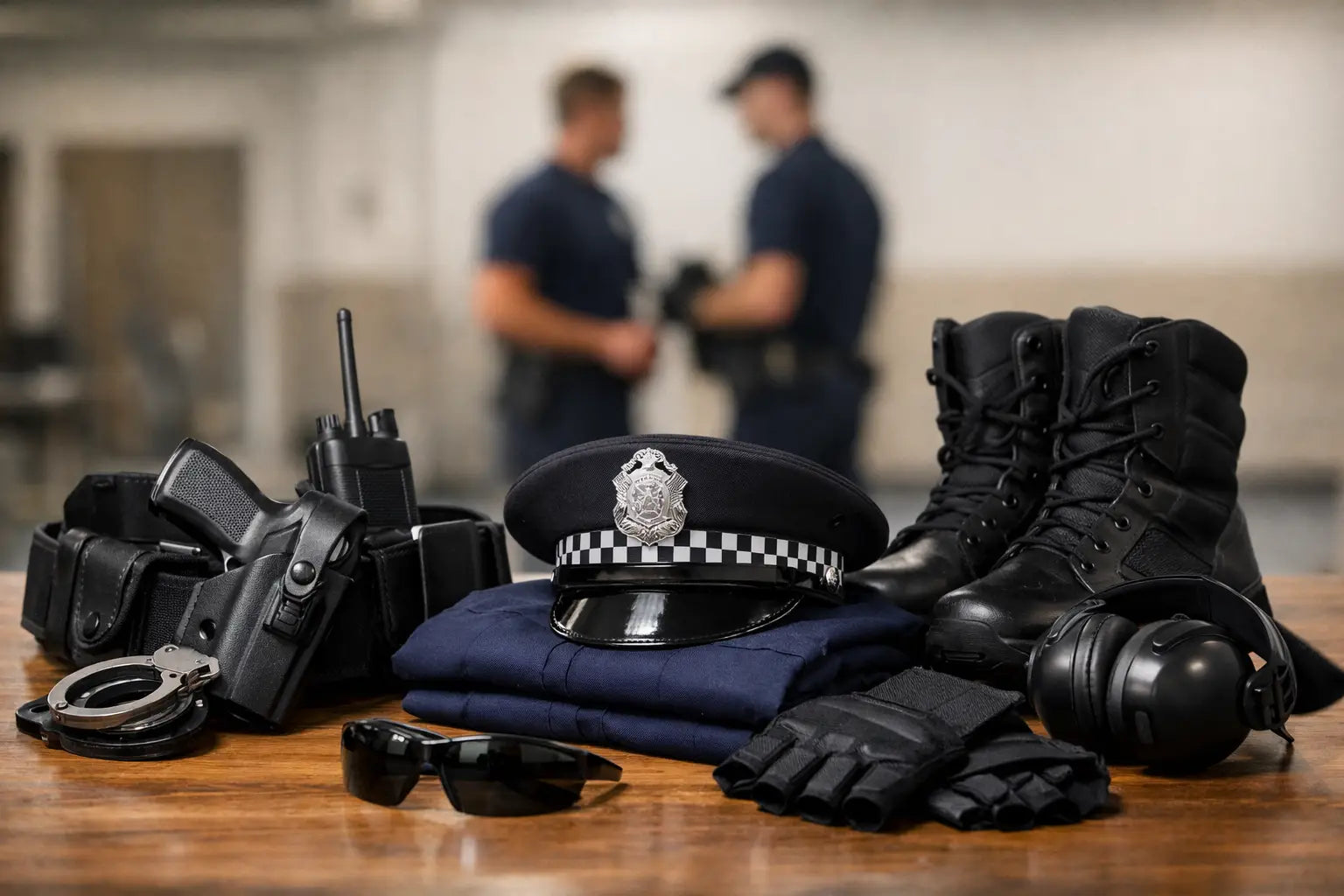
A police academy gear list example is useful for one reason: showing up prepared is different from showing up with a cart full of equipment you were never authorized to use. Academy standards vary by state, agency, and training staff. Your official recruit packet, uniform order form, and instructor guidance always come first.
The right approach is to build your kit in stages. Buy the items required before day one, select durable basics that can survive daily wear, and wait on duty-specific gear until your academy confirms approved brands, finishes, retention levels, and carry methods. That protects your budget and helps you avoid inspection problems.
Police Academy Gear List Example: Start With the Required Basics
Most recruits need a combination of uniforms, physical training clothing, footwear, note-taking supplies, and personal care items. Your academy may issue some of these items, require purchase through a specific vendor, or mandate exact colors and embroidery. Confirm every detail before removing tags or adding name tapes.
Uniforms and appearance items
Academy uniforms are built for repeated washing, range dust, defensive tactics work, and close inspection. Plan on more than one complete set if your program does not issue enough uniforms. A second or third shirt and pair of pants can make a major difference when one set is wet, stained, or needs repair before the next morning.
Look for the precise uniform style listed by your academy. Details that seem minor can matter at inspection: shirt sleeve length, pant cargo-pocket configuration, fabric color, belt width, sock color, boot finish, and whether a jacket requires agency patches. Do not assume that a similar-looking item is acceptable.
You will commonly need a black or approved uniform belt, plain black socks, a conservative watch, and approved cold-weather layers. A simple digital watch with a timer can be useful for PT, formations, and timed practical exercises. Avoid oversized watches, bright colors, or accessories that can snag during defensive tactics training.
Duty boots
Boots are one of the few purchases where comfort has a direct effect on your daily performance. Recruits spend long hours standing, marching, running, moving on range surfaces, and practicing control techniques. A boot that pinches your heel or lacks adequate support can turn a manageable academy week into a painful one.
Confirm whether your academy requires polishable leather, a specific toe style, a side zipper, safety toes, or plain black boots without visible logos. If the rules allow options, prioritize a supportive fit, stable outsole, and a break-in period before your first full training day. Do not wear brand-new boots for the first time at the academy. Break them in gradually, use the socks you will wear in training, and address hot spots early.
Physical training clothing
PT uniforms are often highly specific. You may be required to wear an academy shirt, designated shorts or pants, white athletic socks, and a certain style of running shoe. If your academy gives general rather than exact guidance, choose moisture-managing athletic clothing that fits securely without restricting movement.
Your running shoes should fit your stride and training surface, not just match a popular brand. If you are returning to running after time away, get your mileage up before the academy starts. Shoes are a personal-fit item, and the most expensive pair is not always the right pair.
Equipment to Confirm Before You Buy
The biggest avoidable mistake is purchasing duty gear too early. Holsters, belts, magazine pouches, restraints, lights, and protective equipment are often regulated by academy policy or the sponsoring agency. Some academies issue these items later, while others require recruits to purchase an approved setup after orientation.
Duty belt and retention gear
A duty belt system may include an inner belt, outer belt, belt keepers, handcuff case, radio holder, glove pouch, flashlight holder, and other authorized accessories. The exact configuration depends on your academy and future assignment. A police recruit in a municipal patrol academy may carry a different setup than a corrections recruit, sheriff's deputy, or private security officer.
If you are required to purchase a belt setup, verify belt width, basketweave or plain finish, color, buckle style, and approved keepers. Buy enough belt keepers to keep the system stable during movement. A shifting belt creates distractions at the range and during defensive tactics drills.
Holster, firearm, and magazine equipment
Do not select a holster based only on your pistol model. Your academy may require a particular retention level, mounting position, light compatibility, or finish. A holster that fits the firearm but fails the academy's retention policy is not a good value.
Ask whether the academy issues training firearms, whether recruits need inert blue-gun equipment for drills, and whether magazines must be marked. Also verify rules on eye protection, hearing protection, range bags, cleaning equipment, and ammunition. Some academies supply these items. Others specify an approved list, particularly for firearm-mounted accessories and holster systems.
Restraints and defensive tactics gear
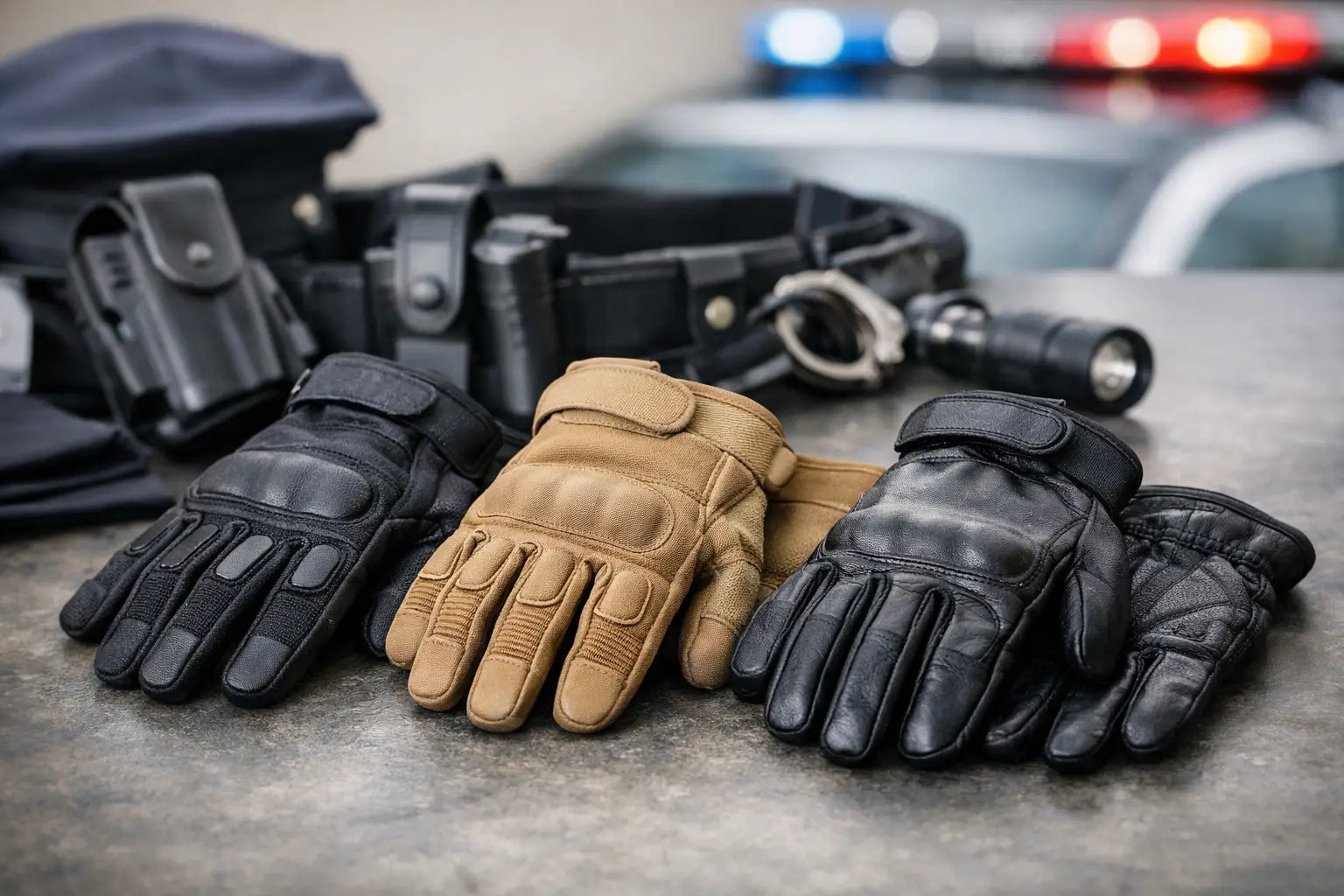
Handcuffs, cuff keys, training gloves, mouthguards, and protective cups may be required for defensive tactics blocks. Some programs mandate chain cuffs while others allow hinged cuffs or issue all restraints. Do not assume your preferred style will be permitted in recruit training.
For gloves, a low-profile pair that allows finger movement is usually more useful than a bulky tactical model, unless your academy specifies otherwise. Keep protective gear clean, labeled if allowed, and ready for the training schedule. Defensive tactics sessions often arrive with little room for last-minute shopping.
Administrative Gear That Makes Academy Days Easier
Small organizational items rarely look exciting, but they prevent avoidable stress. Training packets, legal instruction, report-writing exercises, and daily schedules create a steady flow of paperwork. A dependable bag and organized note system are practical parts of your kit.
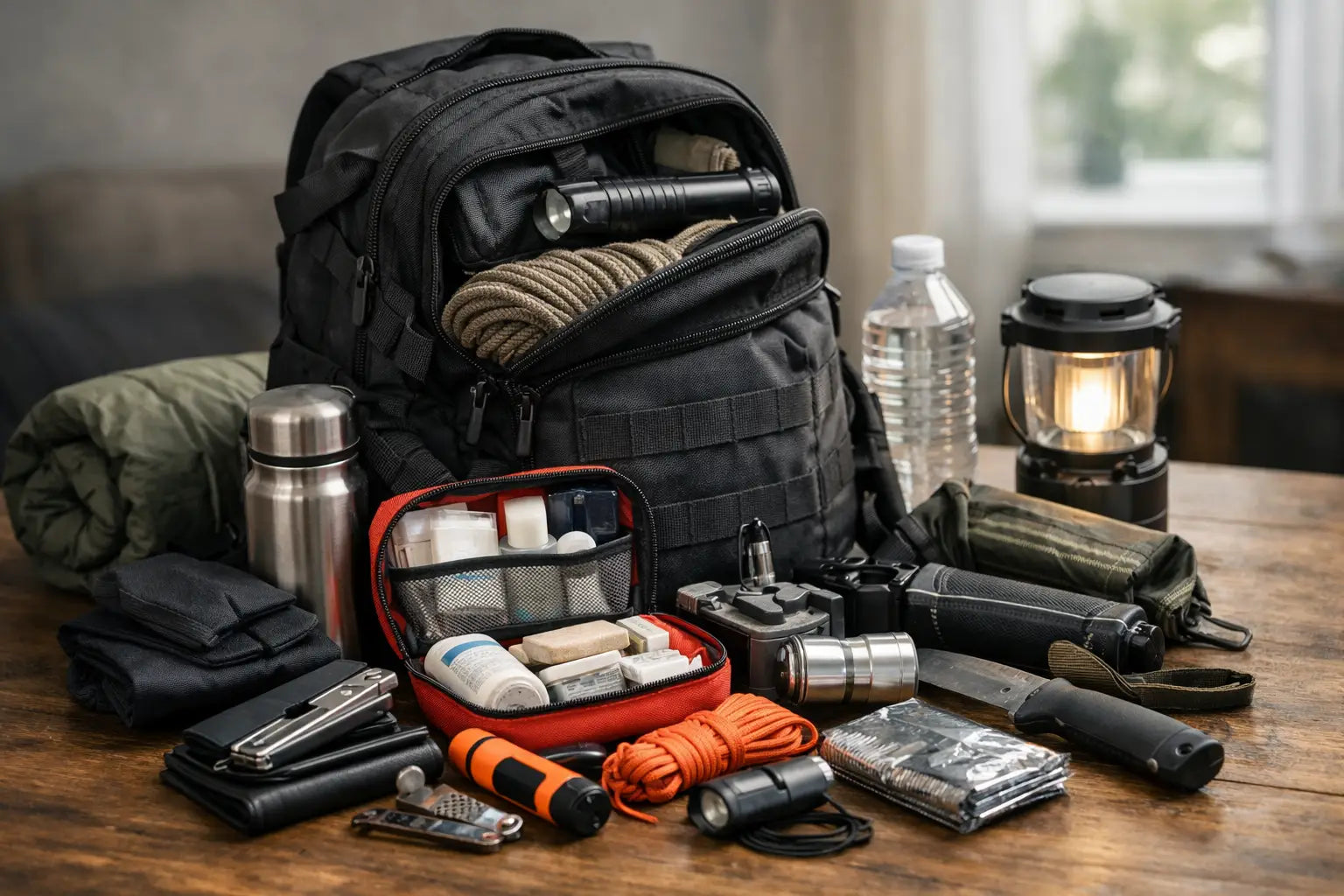
A sturdy backpack or duty-style bag should hold uniforms, PT clothing, hydration, notebooks, and lunch without becoming difficult to carry. Choose a neutral, professional color if your academy has no standard. Separate wet or dirty clothing from books and electronics with a simple zip pouch or laundry bag.
For classroom work, bring several black pens, a permanent marker, highlighters, a notebook or binder, and a small folder for forms. Keep spare pens in your bag and one on your person. You may also want a pocket notebook for assigned observations, reminders, and report-writing notes, provided academy policy permits it.
Hydration is another basic operational need. A durable water bottle is normally more practical than relying on vending machines or drinking fountains between training blocks. Label it clearly if permitted. If your academy trains outdoors in South Florida heat or similar conditions, consistent hydration before, during, and after training is part of arriving ready.
Inspection, Maintenance, and Spares
Academy staff are not inspecting gear simply to make recruits uncomfortable. Inspections reinforce attention to detail, uniformity, safety, and personal responsibility. Treat maintenance as a routine rather than a late-night emergency.
Set up a weekly reset: wash and inspect uniforms, clean boots according to academy requirements, replace worn laces, charge authorized electronics, refill your training bag, and stage the next day's clothing. Keep spare black socks, an extra undershirt, spare boot laces, blister pads, and basic hygiene items in your bag or vehicle if policy allows.
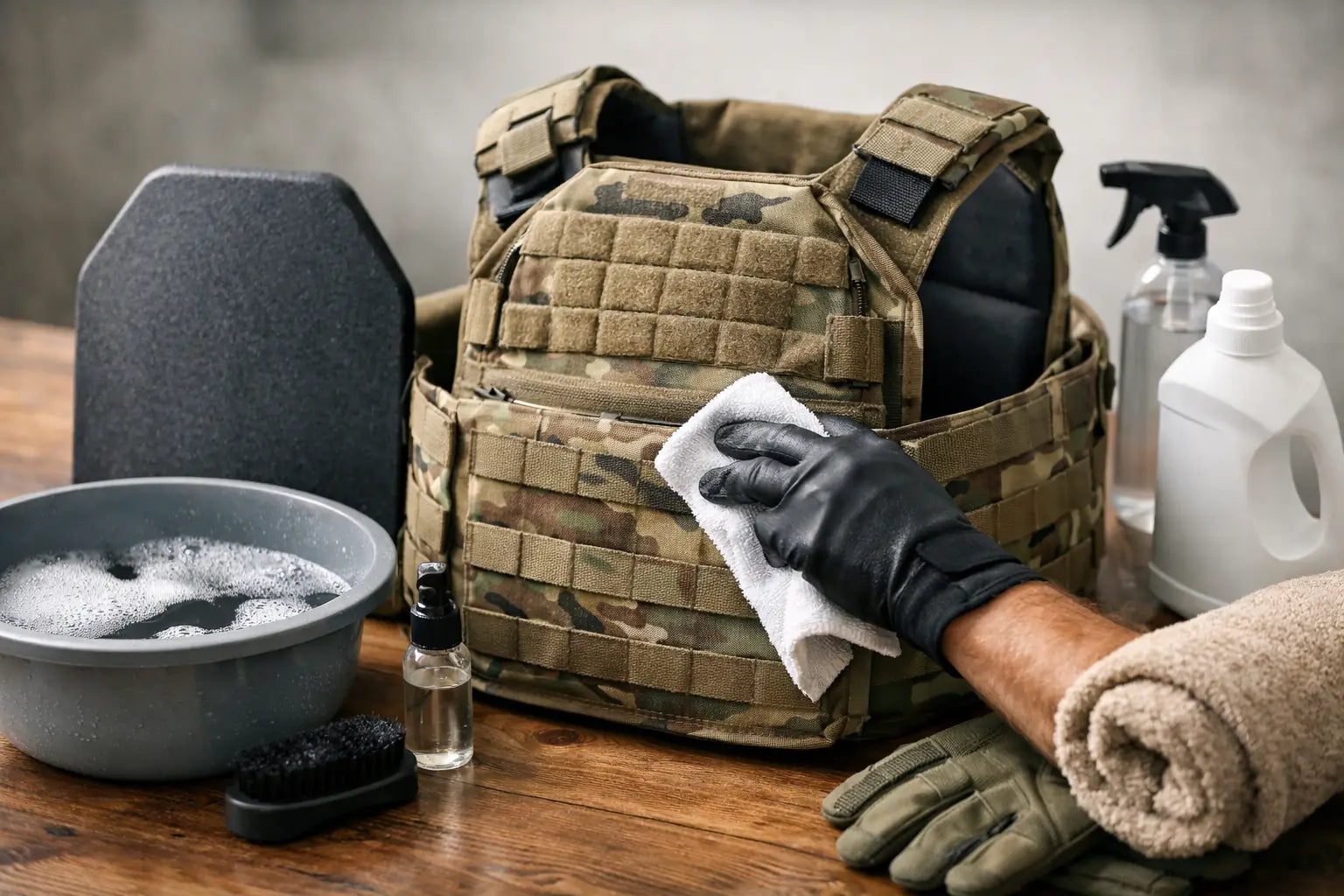
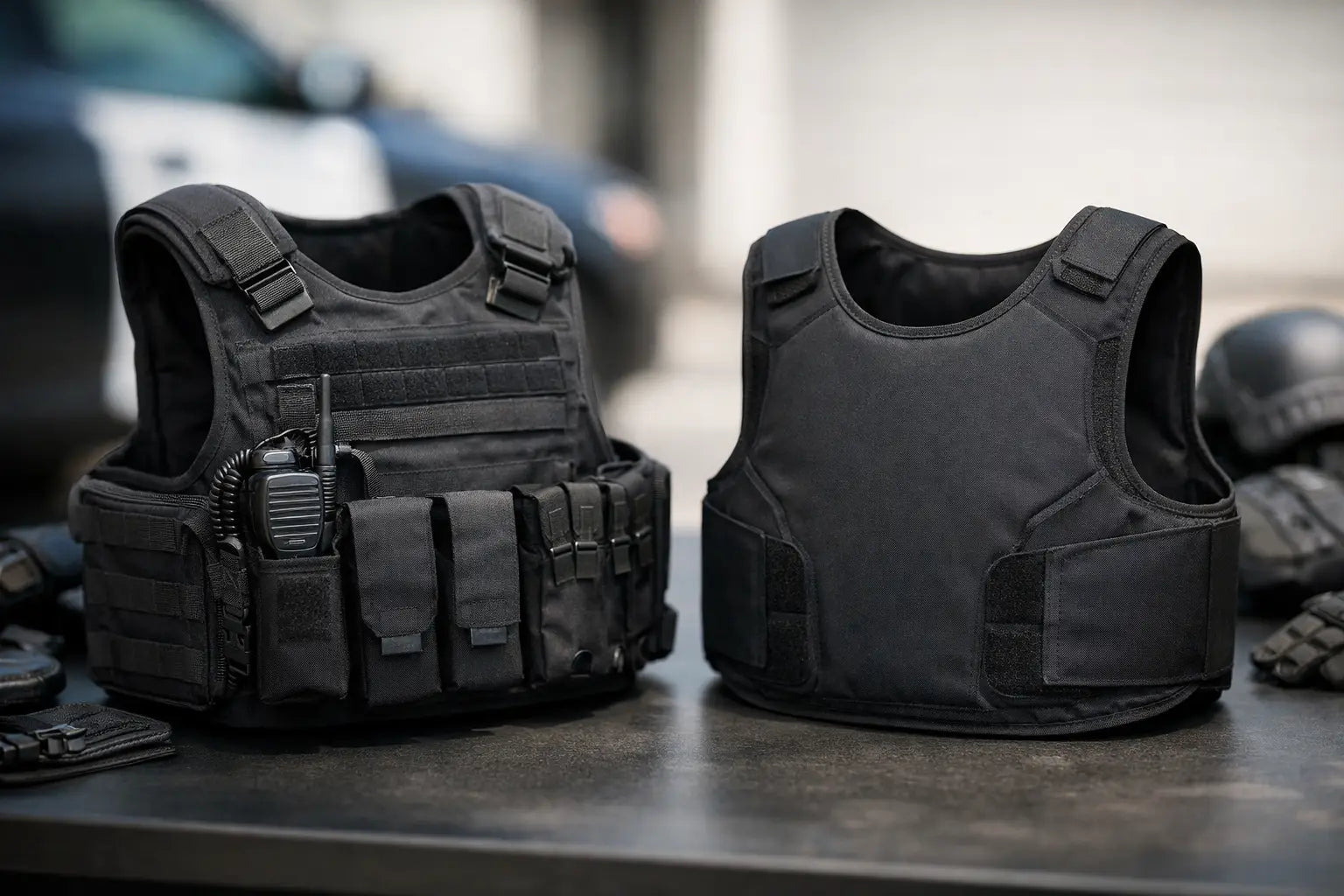
For issued equipment, follow the agency's cleaning and storage direction. Do not alter issued gear, add accessories, or use aftermarket modifications unless they are specifically approved. This is especially relevant for firearms, holsters, body armor, and communication equipment.
Buy for Compliance First, Then Long-Term Use
A recruit's budget is real, and tactical equipment can add up quickly. Spend first on required uniform items, correctly fitted boots, PT gear, and approved safety equipment. These are immediate needs that affect every academy day.
Wait on premium upgrades until you know your assignment, agency policy, and daily carry requirements. A high-end light, specialized knife, advanced plate carrier, or extra pouches may be useful later, but they may not be authorized or necessary during academy training. If you are purchasing approved essentials, an authorized dealer with public safety-focused product knowledge can help verify sizing, compatibility, and professional-use features before you commit.
Your academy gear should support the work, not become another problem to manage. Read the recruit packet carefully, ask instructors direct questions when something is unclear, and arrive with clean, compliant equipment that you have already worn, tested, and organized. That preparation gives you more attention for the instruction that matters once training begins.