Cart
0





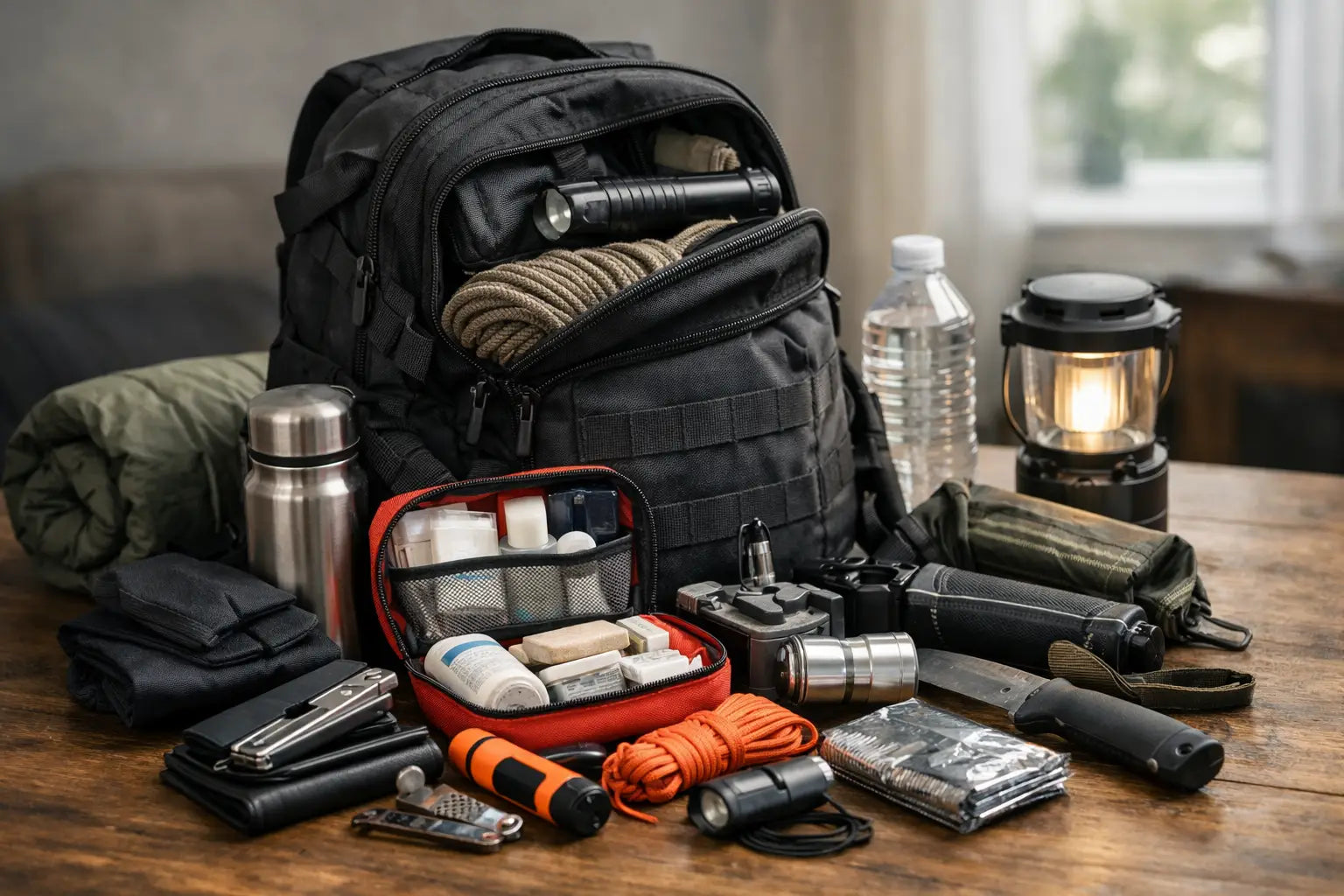
A go bag should let you leave quickly without turning the first 24 to 72 hours of an emergency into a scavenger hunt. For public safety professionals, security personnel, and prepared civilians, knowing what belongs in a go bag starts with a simple question: where are you likely to go, what conditions will you face, and how long must the bag support you?
A hurricane evacuation from South Florida, an unexpected overnight deployment, a vehicle breakdown, and a family emergency do not require identical gear. The right bag is not the one with the most equipment. It is the one you can carry, access, and rely on when normal services are limited.
What Belongs in a Go Bag Depends on the Mission
Start with a realistic planning window. Most go bags are built around 72 hours, but that does not mean carrying three days of every comfort item. It means having enough water, calories, medical supplies, protection from the elements, communications, and documents to operate independently while you relocate or wait for support.
Your destination changes the loadout. Someone evacuating by vehicle can carry more water, spare clothing, and shelter equipment than someone who may need to move on foot. A patrol officer or EMS professional may also need an employment-specific layer for a recall, storm detail, or extended shift. Keep personal emergency equipment separate from agency-issued equipment unless your department policy says otherwise.
The bag itself matters. Choose a durable pack with a supportive harness, dependable zippers, and compartments that make sense under stress. Tactical-style packs are useful when they provide organization and abrasion resistance, not simply because they have webbing. A bag that is too large invites overpacking. A bag that is too small forces critical gear into pockets where it is hard to find.
Water, Food, and Basic Sustenance
Water is usually the first supply to plan around because it is also the heaviest. Carry a practical amount in bottles or a hydration reservoir, then add a way to treat or filter additional water. In a vehicle-supported evacuation, extra sealed water should ride in the vehicle rather than on your back.
Pack shelf-stable food that requires little or no preparation. Calorie-dense bars, ready-to-eat meals, nut butter packets, jerky, and electrolyte packets are common choices. Select foods you will actually eat and avoid building a bag around items that need a camp stove, cookware, or large amounts of water unless those needs are covered.
A basic food and water section should include at least four distinct capabilities:
- Drinking water in durable containers
- A compact water filter or purification tablets
- High-calorie, shelf-stable food
- Electrolyte support for heat, exertion, or illness
- A small metal cup or container if your plan includes heating water
Medical Gear You Can Use
A go bag needs more than a handful of adhesive bandages. It should contain a personal first-aid kit matched to your training level, your medical needs, and the likely hazards around you. For many prepared adults, that means wound care, blister treatment, over-the-counter medication, gloves, trauma shears, and a compact CPR barrier.
Those with appropriate training may add a dedicated trauma component with items such as a tourniquet, pressure dressing, hemostatic gauze, chest seals, and a marker for noting treatment time. Buy proven equipment, protect it from damage, and train with the same style of gear you carry. A trauma kit is not a substitute for formal medical training or emergency services, but it can address critical bleeding while help is on the way.
Keep prescription medication in its original labeled container when possible. Include several days of essential medication, a written medication list, spare glasses, and any required medical devices or supplies. If you wear contacts, pack backup lenses and solution. These details are easy to overlook and difficult to replace during an evacuation.
Light, Power, and Communications
When power is out, a dependable light becomes a working tool. Carry a quality flashlight with fresh batteries or a rechargeable battery system, plus a headlamp for hands-free tasks. A headlamp is especially useful for vehicle repairs, shelter setup, patient care, and moving through unfamiliar spaces after dark.
Your communications plan should not depend on a full cell phone battery or one app. Pack a charging cable, wall adapter, vehicle charger, and a power bank with enough capacity for your phone and critical accessories. Store key contacts, meeting locations, insurance information, and medical details on paper as well as digitally.
A weather radio can be valuable in hurricane-prone areas and other regions where cellular networks may be overloaded or unavailable. If you use radios for work or recreation, carry only equipment you are authorized and trained to operate. Protect electronics in a waterproof pouch or sealed bag.
Clothing and Weather Protection
Pack clothing for the conditions you may face, not the conditions you hope for. A change of socks and underwear, a durable long-sleeve layer, rain protection, a warm layer, gloves, and a hat cover a wide range of needs. In hot and humid climates, spare socks and moisture-managing layers can prevent foot problems and improve comfort during long movement.
Footwear deserves special attention. If you wear duty boots or rugged work boots daily, make sure they are already broken in. A go bag is the wrong place for untested boots. If you expect to evacuate from work, consider how your uniform, footwear, and outerwear fit into the plan.
Shelter can be simple. A compact tarp, emergency bivy, poncho, paracord, and a few basic repair supplies take up little space. They may not replace a tent, but they can provide short-term cover from rain, wind, or sun while you wait for transportation or assistance.
Documents, Cash, and Personal Security
Store copies of identification, insurance policies, prescriptions, emergency contacts, vehicle information, and important account numbers in a waterproof document pouch. Include family photos or identifying information that could help if you become separated from a child, older adult, or pet.
Cash in small bills is useful when card readers and ATMs are down. Keep it discreet and divided between your bag and another secure location. A spare house key, vehicle key, and written directions to a planned meeting point can also solve problems that technology cannot.
Personal security equipment is a personal and legal decision. Carry only tools you can use responsibly, that comply with local, state, and destination laws, and that fit your training. For duty professionals, policy, jurisdiction, and off-duty carry rules apply. The goal is to remain prepared without creating an avoidable legal or safety issue during an already stressful event.
Build a Separate Duty or Work Layer
Many public safety professionals need a go bag that can transition into an extended work assignment. Rather than mixing everything together, use a labeled pouch or separate compartment for duty-specific items. This can include an extra uniform, socks, hygiene supplies, chargers, notebook, pens, credential copies, weather gear, and mission-approved PPE.
Fire, EMS, law enforcement, corrections, and security assignments have different requirements. Do not assume a personal evacuation bag should carry agency gear, restraints, protective equipment, or medical supplies assigned for a specific role. Follow your organization’s equipment policy and maintain a separate checklist for recall or deployment needs.
For agency buyers and working professionals, standardizing certain items across a team can reduce confusion during a response. Common battery formats, compatible charging options, clearly marked medical kits, and consistent bag layouts make replenishment and handoffs easier.
Organization Makes Gear Usable
Pack by function, not by brand or purchase date. Keep medical gear in one clearly marked pouch, water treatment with water supplies, lighting and batteries together, and documents in a protected location. Frequently needed items should be accessible without emptying the entire bag.
Use waterproof bags or pouches for critical categories, especially documents, electronics, medical supplies, and spare clothing. Label pouches plainly. In low light or high stress, a clear label is more useful than an elaborate color-coding system you will not remember.
Do not bury a flashlight, rain layer, tourniquet, or evacuation map at the bottom of the pack. These are immediate-use items. The same principle applies to the bag’s external pockets: reserve them for tools that are safe to carry externally and needed quickly.
Maintain the Bag Before You Need It
A go bag is not a one-time purchase. Set a recurring inspection date, ideally before hurricane season and again six months later. Check expiration dates, replace depleted batteries, refresh food and water, update documents, and verify that clothing still fits the season and the person carrying it.
Then carry the bag for a short walk. This is where overloaded plans become obvious. If the pack pulls on your shoulders, shifts badly, or feels unmanageable after ten minutes, remove nonessential weight and adjust the fit. Readiness is measured by what you can realistically move with, not by how much gear you own.
The best go bag is a living piece of equipment: built for your likely emergency, maintained on a schedule, and familiar enough that you can grab it without a second thought when time is short.