Cart
0





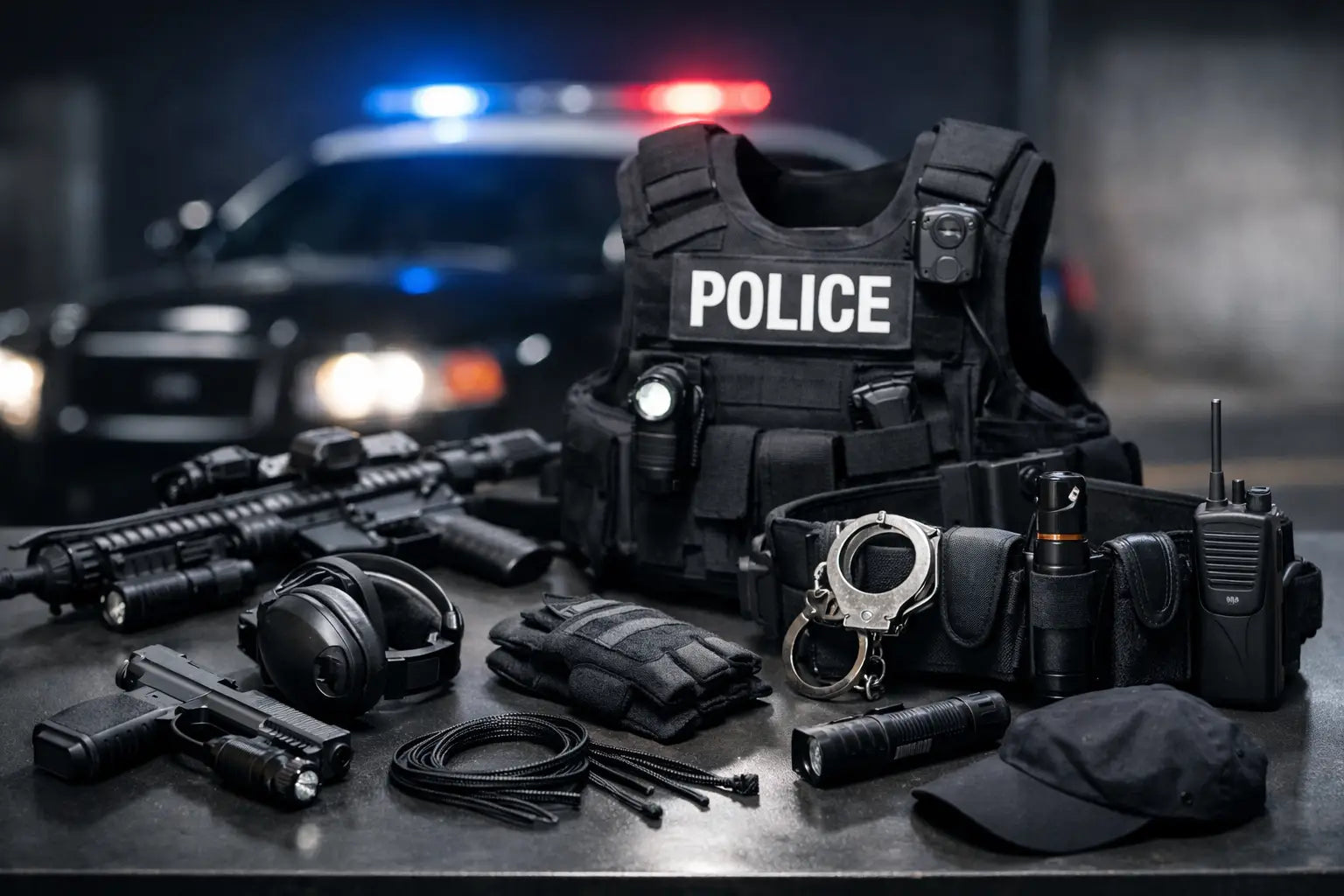
Dark changes everything. A police loadout example for night shift has to account for reduced visibility, slower identification, longer reaction windows in some situations, and shorter ones in others. The gear that feels acceptable on day shift can become harder to access, more fatiguing, or less effective once the sun goes down.
What changes in a night shift loadout
Night work is not just day work with a flashlight added to the belt. Low-light conditions put more pressure on target identification, scene control, communication, and gear placement. You may spend more time working around headlights, alley shadows, tinted glass, poorly lit interiors, and wet pavement that throws glare back at you.
That means your loadout should prioritize three things first: immediate access to light, clean organization under stress, and comfort that holds up for a full shift. If your belt setup forces you to hunt for equipment by feel, or if your outer carrier creates hot spots after eight to ten hours in a patrol unit, that becomes a performance issue, not just a comfort issue.
A practical police loadout example for night shift
There is no single perfect setup because assignment, agency policy, climate, and patrol area all matter. A road patrol officer working suburban traffic enforcement may build out differently than a deputy covering rural calls or an officer working a dense urban district. Still, a solid night shift baseline usually looks like this.
Duty belt essentials
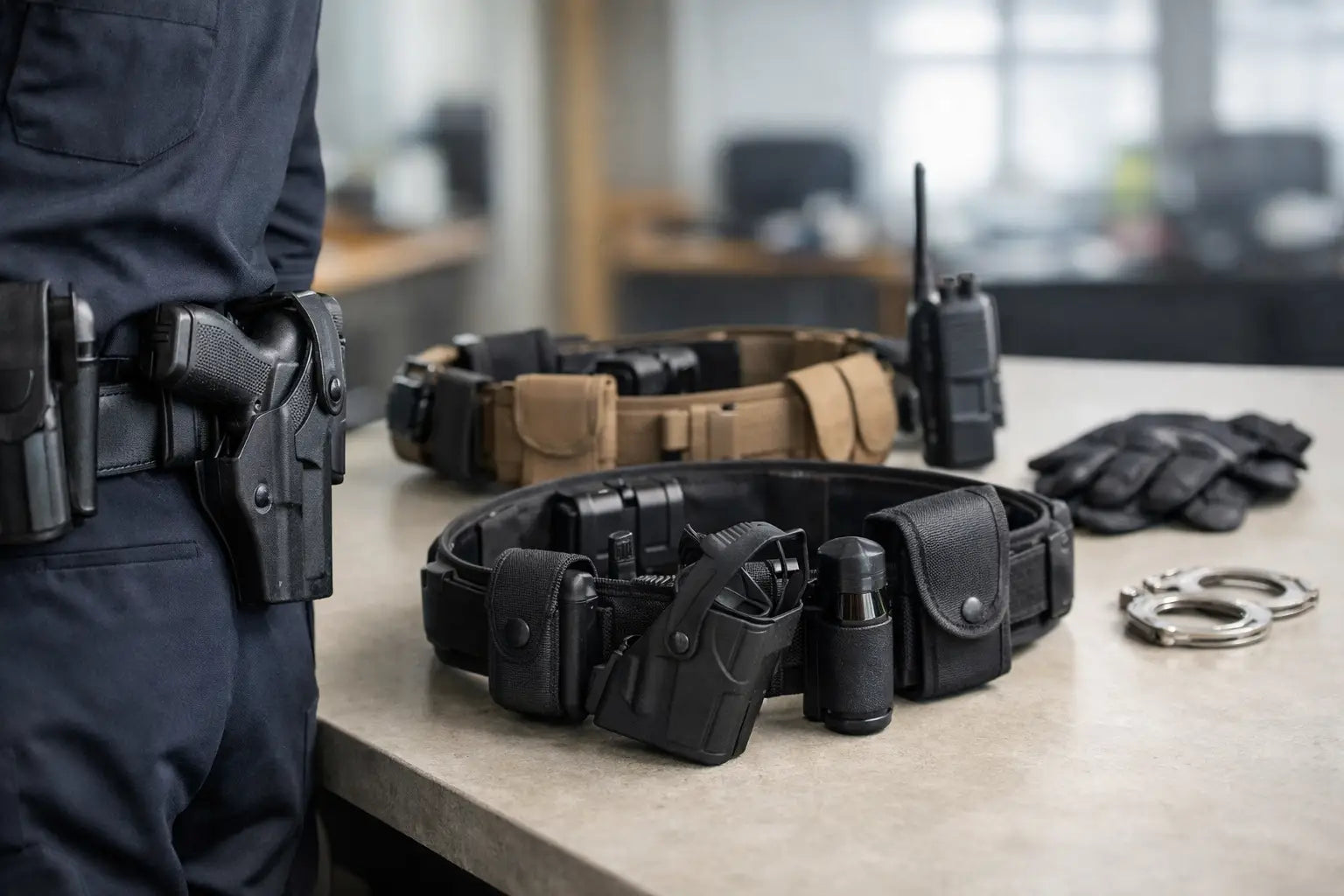
Your sidearm and duty holster remain the anchor of the setup. For night shift, retention and consistent draw angle matter even more because visual confirmation is reduced and you may be moving around vehicles, fences, and uneven terrain. A quality retention holster with room for a weapon-mounted light, if authorized, is often worth the added bulk because it keeps your draw stroke consistent between daylight and darkness.
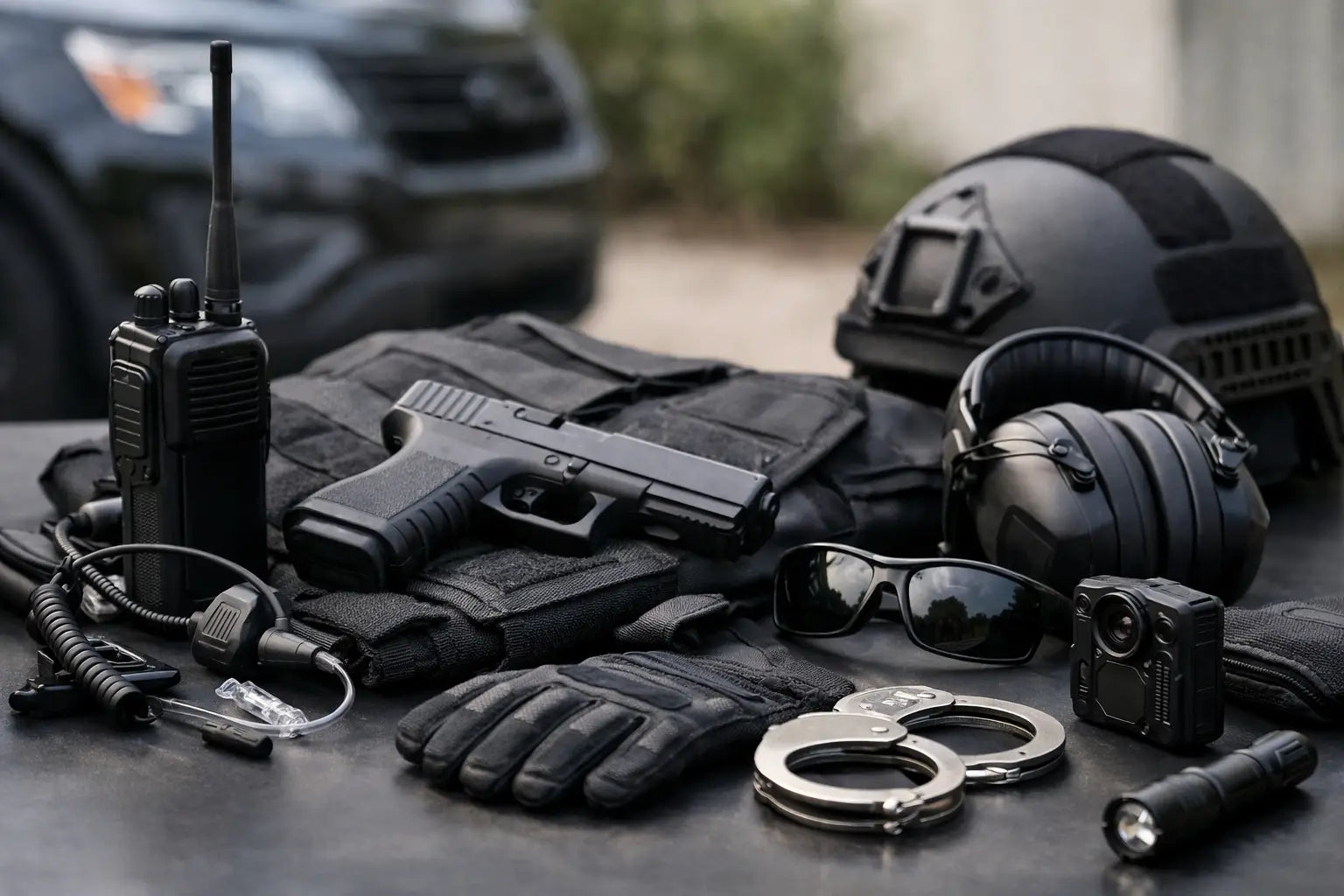
A primary handheld flashlight should live where your support hand can reach it without crossing your body awkwardly. Many officers carry more than one light at night for a reason. A main duty light handles searches, building checks, and longer-range illumination. A smaller backup light covers equipment failure, close administrative tasks, or moments when the primary light is inaccessible.
Handcuffs should stay in a location you can index by feel. Many officers prefer a double-cuff case for balance and practicality, especially on nights with higher call volume or more custodial activity. OC spray, a baton if issued, and a TASER if assigned need the same logic applied to placement - accessible, repeatable, and not competing with your flashlight or magazine pouches.
Your radio also becomes more central at night. Fewer witnesses, quieter side streets, and larger gaps between visible backup can make fast, reliable comms even more important. If your radio sits under a jacket flap, behind a poorly routed mic cable, or in a spot where it gets pinned in the patrol car, that needs to be fixed before the shift starts.
Outer carrier or shirt setup
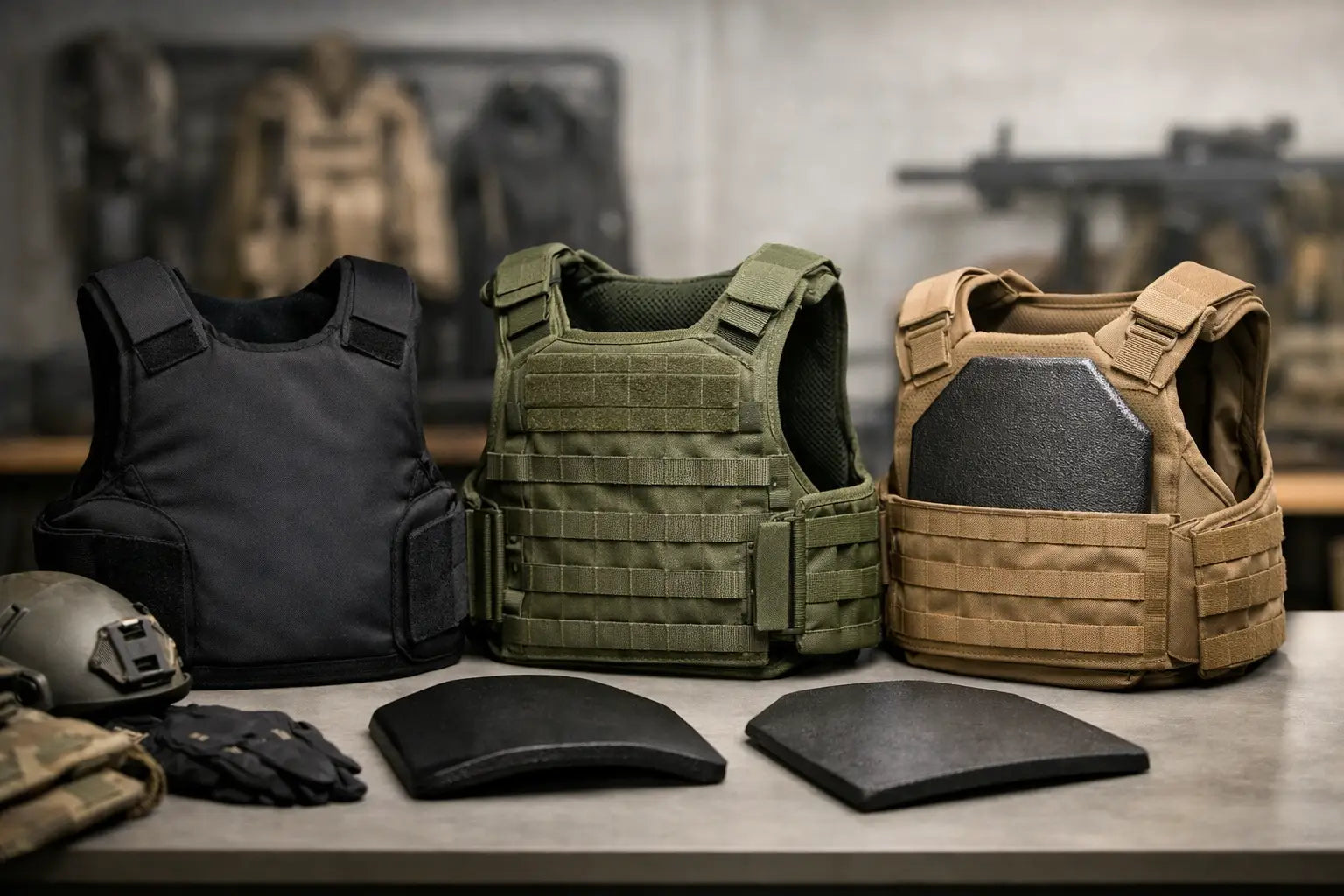
Many officers move weight from the belt to an outer carrier, and night shift is where that can really pay off. Less belt congestion can make seated comfort better and can reduce lower back fatigue during long hours in the vehicle. It can also free up cleaner access to your flashlight, tourniquet, gloves, and radio mic.
A practical carrier setup often includes the radio, body-worn camera placement per policy, a tourniquet in a clearly indexed position, nitrile gloves, and one or two admin items like a notepad or marker. The key is restraint. If you stack every pouch you own onto the front of the carrier, you create snag hazards, heat retention, and poor ergonomics in the car.
Night shift especially rewards a streamlined front profile. You are more likely to spend time seated, leaning, bracing against structures, and moving through confined spaces. Flat, deliberate placement beats overbuilt every time.
Light is the priority, but not just more light
A strong police loadout example for night shift starts with lighting strategy, not just flashlight size. Brightness matters, but beam pattern, switching, recharge plan, and carry position matter just as much.
A handheld duty light should be powerful enough for alley checks, vehicle interiors, and backyard scans, but not so oversized that it becomes a burden all night. A weapon-mounted light, where policy allows, solves a different problem than a handheld. It supports threat-focused illumination tied to the firearm platform. It does not replace the need for a handheld for searching, paperwork, or general scene work.
This is where trade-offs matter. A larger light may throw farther and run longer, but it takes up more belt space and adds weight. A compact light is easier to carry but may not perform as well in open lots or long driveways. Rechargeable options reduce battery costs and are popular for good reason, but they require discipline. If you do not have a charging routine at home, in the car, or in your locker, convenience can quickly become failure.
Medical and protective items that earn their place
Night shift increases the chance that you will be first on scene to vehicle crashes, assaults, unknown disturbances, and injuries in uncontrolled environments. A tourniquet should be part of the loadout, not an afterthought in a go-bag you may not reach in time.
Gloves are another easy miss. At night, contacts can get messy fast, whether you are searching a vehicle, handling intoxicated subjects, or assisting EMS before they arrive. A compact glove pouch on the carrier or belt makes more sense than stuffing pairs into random pockets.
Eye protection and hearing protection may not live on your body every minute of the shift, but they should be close. The same goes for a compact trauma kit staged in the patrol vehicle. You do not need to carry the full med bag on your person, but the gear you are most likely to need in the first critical moments should be immediately accessible.
Clothing and footwear matter more after dark
Night shift loadouts are often discussed as belts, holsters, and lights, but clothing does a lot of work. Moisture management, mobility, and weather protection affect performance over a long shift. If your base layer traps heat or your rain shell blocks access to your radio and belt, your loadout is not really working.
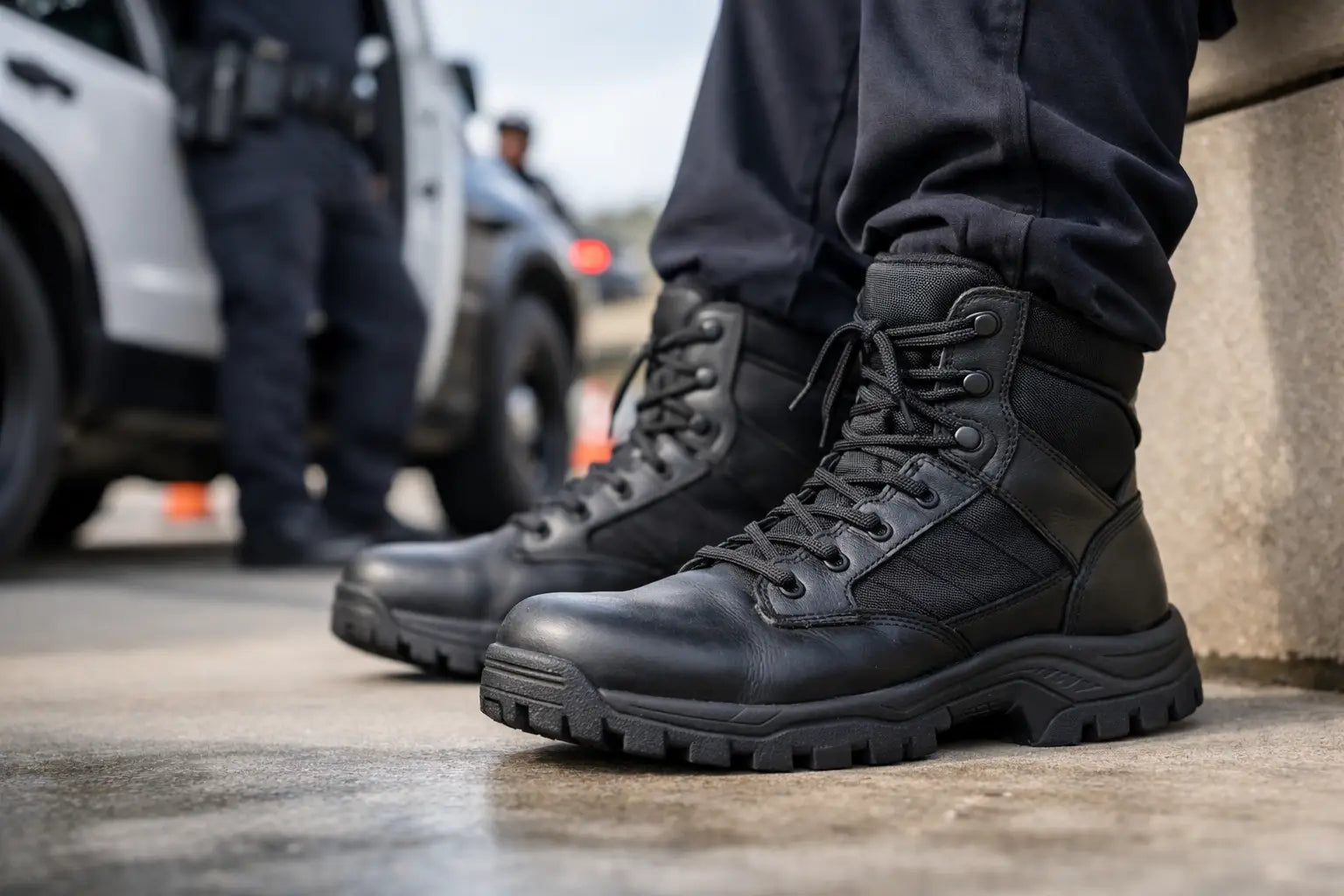
Footwear is another place where small mistakes show up by midnight. Good duty boots should support long hours on pavement, quick exits from the patrol unit, and uneven surfaces during perimeter checks or foot pursuits. South Florida officers may prioritize breathability and quick-drying materials, while colder or wetter regions may lean harder on waterproofing. Neither choice is universally right. It depends on climate, assignment, and how much time you actually spend out of the car.
Keep the vehicle in the loadout conversation
A night shift setup does not stop at what is on your body. Your patrol vehicle is part of the system. Extra flashlight batteries or charging cables, a larger med kit, traffic vest, evidence supplies, window punch, gloves, and rain gear should all be staged so they can be reached without digging.
This matters because night calls often punish disorganization. If your spare light is buried under paperwork in the trunk, or your traffic vest is wedged behind unrelated gear, you lose time when visibility and scene control already work against you.
Common mistakes in a police loadout example for night shift
The first mistake is overloading the belt. Officers often add gear with good intentions and then end up with a setup that is heavy, crowded, and harder to manage in the car. The second mistake is treating all low-light tasks the same. A light for searching, a light for administrative use, and a light mounted to the weapon are related, but they are not interchangeable.
Another common issue is poor indexing. If you cannot consistently find cuffs, radio controls, or your tourniquet by touch alone, your placement needs work. Night shift is not the time to discover that two pouches feel identical or that a jacket hem blocks access to critical gear.
Finally, some officers test gear in the store or locker room and assume that is enough. It is not. A proper setup should be worn seated in the patrol unit, during building clearing drills, while wearing outerwear, and while moving quickly. Real use exposes pressure points and access problems fast.
Build for your assignment, then refine
The best night shift loadout is usually the one that has been edited, not expanded. Start with duty essentials, make sure your lighting plan is solid, keep medical access immediate, and remove anything that adds bulk without a real operational benefit.
For officers and agencies sourcing gear, this is where a specialized outfitter matters. AE Tactical serves public safety professionals with duty-ready equipment built around actual field use, not generic outdoor assumptions. That makes a difference when you are choosing between gear that looks good online and gear that performs at 0200 in the rain.
A strong night shift setup should feel predictable in your hands, comfortable in the car, and dependable when the call gets complicated. If a piece of gear does not help you work faster, safer, or with more control after dark, it probably does not belong on your loadout.