Cart
0





The wrong body armor brand usually does not reveal itself on day one. It shows up halfway through a long shift, during range movement, under a patrol uniform in South Florida heat, or when replacement timelines and warranty terms suddenly matter. If you are figuring out how to compare body armor brands, the goal is not finding the most hyped name. It is finding the right combination of protection, comfort, compliance, and long-term value for the way you actually work.
That matters whether you are buying as an individual officer, outfitting a security team, or handling agency purchasing. Two brands can look similar on a product page and still differ in ballistic rating, cut, weight, carrier compatibility, and support after the sale. A smart comparison starts with your mission, not the logo.
Start with your use case, not the brand name
Before you compare specs, define the job the armor needs to do. Patrol officers, school resource officers, armed security professionals, corrections personnel, and plainclothes teams all carry different gear loads and wear armor for different lengths of time. Fire and EMS personnel who need ballistic protection have another set of mobility and comfort priorities.
If your armor will be worn 10 to 12 hours under a uniform, low bulk and comfort may matter as much as raw protection level. If you are building an overt setup with a plate carrier for tactical response, scalability, plate compatibility, and carrier layout move higher on the list. Brand comparisons only make sense when they are tied to the operational environment.
How to compare body armor brands by protection level
The first serious filter is ballistic protection. Start by checking whether the brand clearly identifies the armor level and the testing standard used. Most buyers will look at soft armor in Level II or IIIA, while hard armor and plates may fall into Level III or IV categories depending on the threat profile.
Do not assume one brand's "lightweight" or "special threat" language means the same thing as another's. Marketing terms vary. The useful question is simple: what rounds was the armor tested against, under what standard, and for what intended use? If a brand makes this easy to verify, that is a good sign. If the details are vague, keep looking.
NIJ compliance matters here, but even that deserves a closer look. Some products are NIJ certified, while others may be tested to NIJ standards without appearing on a current certified products list. That does not automatically make them unsuitable, but it does mean you need to read more carefully and match the product to your department requirements or procurement standards.
Soft armor, hard armor, and special threat claims
Not every good brand is strongest in every category. Some are known for concealable soft armor. Others have a better reputation in rifle plates or modular tactical systems. Compare brands within the same armor type first. Judging a soft armor specialist against a plate manufacturer can muddy the decision.
Special threat plates also deserve extra scrutiny. They can offer practical weight savings, but the exact threats covered vary by manufacturer. One brand's plate may be tuned for common high-velocity rounds while another emphasizes broader protection at the cost of extra weight. There is no universal "best" option - only the best fit for the mission.
Compare weight, thickness, and cut together
A common mistake is comparing weight alone. Lighter armor is attractive, but comfort and wearability depend on more than pounds. Thickness affects concealment. Panel shape affects coverage and movement. Plate cut affects shouldering a rifle, drawing from a duty holster, and sitting in a patrol vehicle.
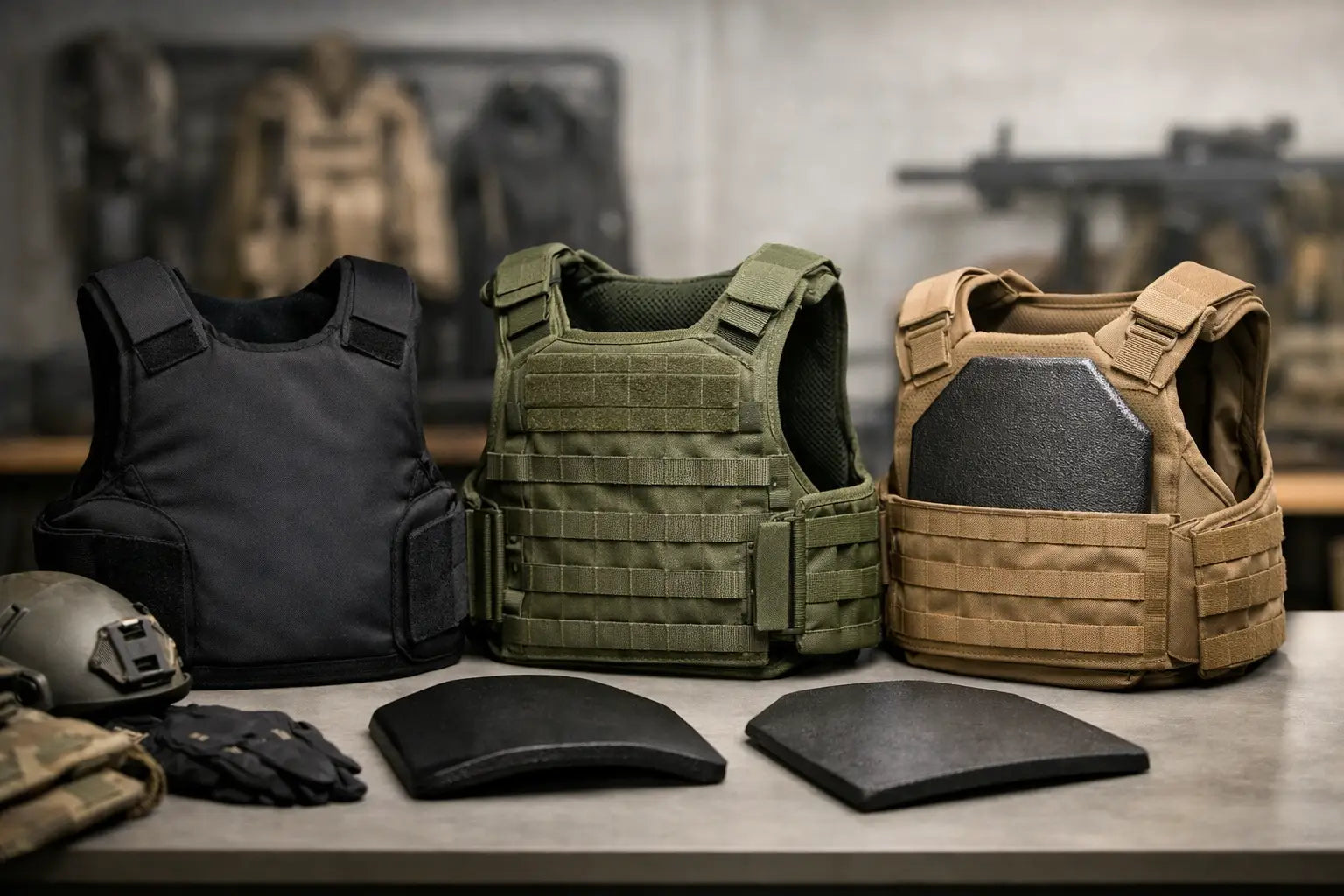
When comparing brands, look at all three together: weight, profile, and geometry. A slightly heavier vest with a better cut may wear easier over a full shift than a lighter option with poor contouring. The same goes for plates. A swimmer cut, shooter cut, or SAPI style profile may feel very different depending on your role and range of motion needs.
For public safety professionals, this is where real-world use beats brochure language. Armor that checks every spec box but causes hot spots, printing, or restricted movement usually ends up being worn less consistently. That is a performance problem, not just a comfort issue.
Materials matter, but so does how the brand builds with them
Buyers often get drawn to raw material names such as Kevlar, Dyneema, or ceramic, but body armor quality is not determined by material alone. Brand engineering, layering methods, plate construction, edge finishing, and quality control all affect real performance.
Two brands may both use polyethylene in hard armor, yet produce very different results in strike face durability, multi-hit behavior, thickness, and price. The same goes for soft armor. One brand may build flexible panels that wear better under uniform shirts, while another may prioritize a thinner package with a stiffer feel.
This is where an established, duty-focused brand usually separates itself from a low-information seller. Reliable brands explain not just what the armor is made from, but how it is intended to perform in the field.
Look closely at carrier design and system compatibility
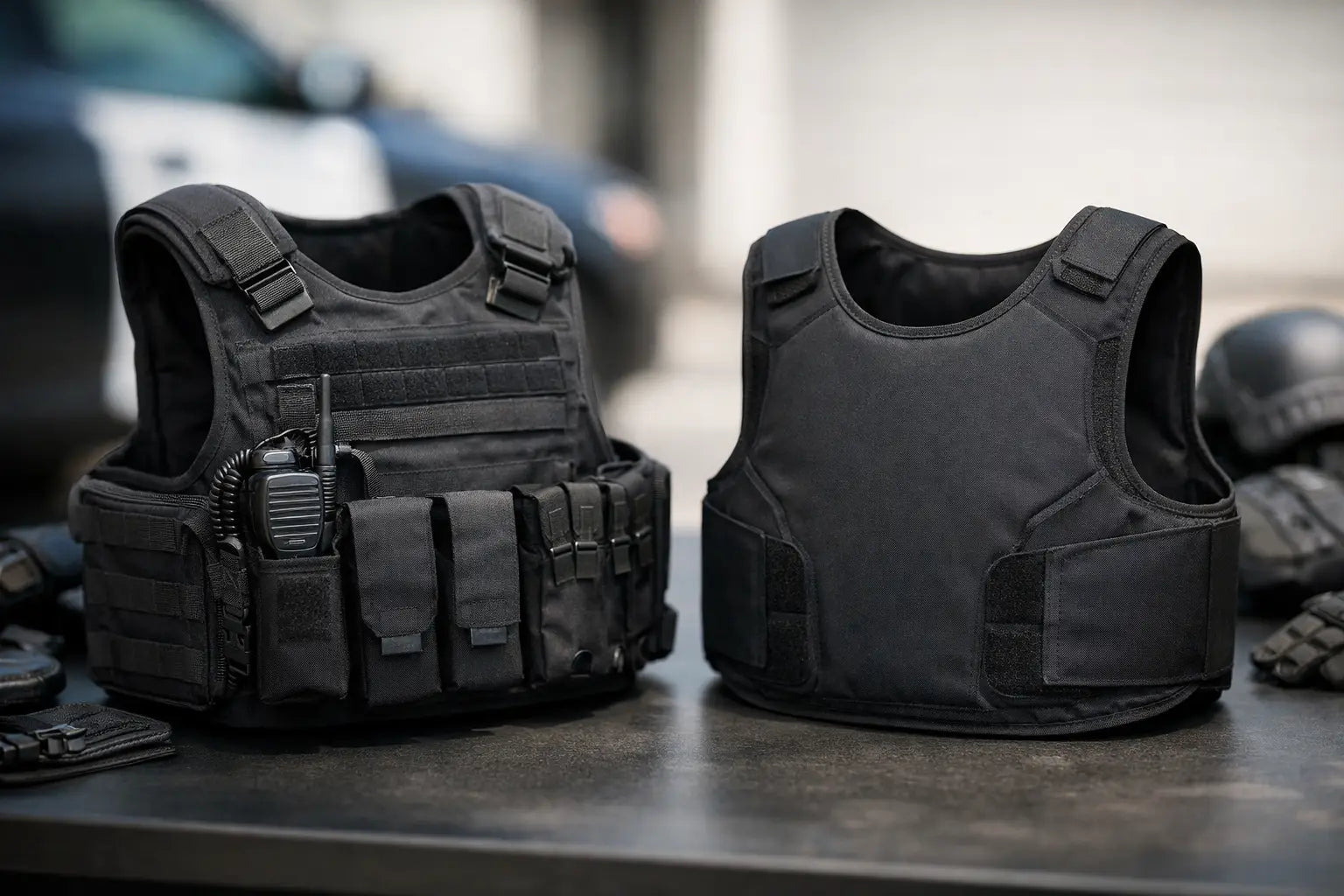
If you are buying more than just ballistic panels or plates, compare the full system. Some brands excel at the ballistic component but offer weak carrier design. Others build strong carriers with better adjustment, ventilation, and load-bearing options.
For concealable armor, check closure style, cummerbund adjustment, shoulder strap layout, and available carrier sizes. For overt setups, compare plate pocket sizing, MOLLE real estate, drag handle construction, placard compatibility, and cummerbund options. If the armor will integrate with existing duty gear, that compatibility needs to be part of the brand comparison.
This is especially important for agencies and teams trying to standardize equipment across multiple users. A brand that offers consistent sizing, replacement carriers, and dependable inventory can be easier to support over time than a brand with frequent model changes or limited accessory availability.
Warranty, service life, and replacement support are part of the value
The purchase price is only part of the cost. A lower-priced armor package can become expensive if warranty support is weak, replacement panels are hard to source, or expected service life does not align with your replacement cycle.
When comparing body armor brands, review warranty terms for ballistic panels, plates, and carriers separately. Those timelines often differ. Also check what the warranty actually covers. Some brands are clearer and more responsive when a customer has sizing issues, carrier wear concerns, or a product defect. Others leave more burden on the buyer.
For agency buyers, lead times and continuity matter almost as much as the product itself. If you may need matched replacements later, choose a brand with stable distribution and a clear support channel. Working with an Authorized Dealer can make that process much easier, especially when department documentation or repeat ordering is involved.
Brand reputation should be tied to duty use, not just online noise
A popular brand is not automatically the right brand. Some names get strong attention in civilian or range markets but have a thinner track record in daily professional wear. Others may be less flashy but are trusted by officers, security teams, and procurement staff because they hold up under routine use.
Pay attention to where the brand has credibility. Are users discussing fit under uniforms, long-shift comfort, replacement experience, and actual duty use? Or is the conversation mostly built around hype, influencer content, and one-off range impressions? Those are not the same kind of endorsement.
Reputation also includes consistency. The best body armor brand for one buyer is often the one that reliably delivers honest specs, dependable build quality, and clear post-sale support. That may not be the loudest brand in the room, but it is often the safest bet.
Price only makes sense after you compare the whole package
If you compare only by price tag, you can miss major differences in what is included. One brand may bundle a carrier, upgraded cut, and stronger warranty. Another may advertise a lower entry price but charge extra for the configuration you actually need.
A fair comparison should include ballistic rating, size and cut, total weight, included carrier features, warranty coverage, and expected replacement cycle. Once you line those up, the price picture usually gets clearer. The best value is rarely the cheapest option. It is the setup that meets your operational needs without forcing compromises that show up later.
For many buyers, this is where a specialized retailer helps. A focused outfitter such as AE Tactical can help narrow the field based on use case, not guesswork, which is especially useful when department policy, agency purchasing needs, or sizing questions are in play.
A practical way to make the final call
If you are stuck between two or three brands, build a side-by-side comparison using the same armor category and intended role. Keep it simple. Compare threat level, certification status, weight, thickness, cut, carrier design, warranty, lead time, and total configured cost. Then ask one final question: which option are you most likely to wear consistently and support confidently over time?
That answer is usually better than chasing a name alone. Good body armor is not just about surviving a worst-case scenario. It is about choosing gear that fits the job, fits the wearer, and holds up when your shift runs long and the stakes are not theoretical anymore.