Cart
0





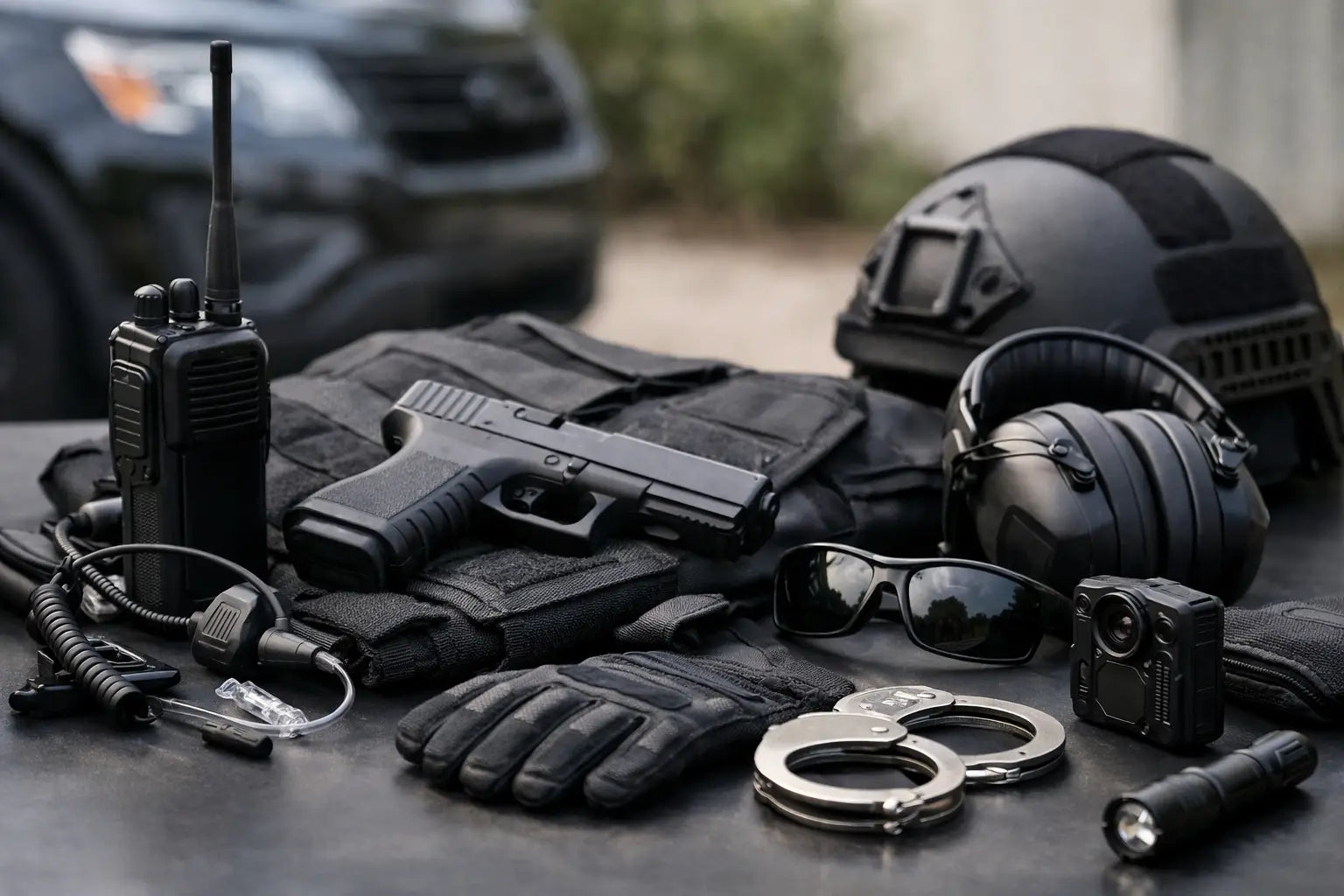
A bad shift can expose weak gear fast. The flashlight dies halfway through a perimeter check, the holster shifts every time you move, or the boots that felt fine on day one start punishing your feet by hour six. A solid private security equipment guide starts with that reality: your equipment is not just part of the uniform. It affects safety, response time, comfort, and how well you hold up over a full shift.
Private security work covers a wide range of assignments. An armed vehicle patrol officer, a hospital security supervisor, an executive protection agent, and an unarmed gate officer do not need the same loadout. That is why the right approach is not buying the most gear. It is choosing the right gear for your post, your policies, and the way you actually work.
Start your private security equipment guide with the job
Before looking at brands, materials, or price points, define the job. The first question is whether the post is armed or unarmed. The second is whether the work is static, mobile, public-facing, or high-risk. A lobby officer who stands for long periods and interacts with visitors needs comfort, professional presentation, and quick access to basic tools. A patrol officer covering large properties at night needs stronger lighting, weather-resistant outerwear, and load-bearing gear that stays secure while moving.
Company policy matters just as much as the assignment. Some employers specify approved holsters, body armor requirements, footwear standards, or uniform colors. In some states, certain tools may be restricted by license class or employer policy. Buying first and checking later is an expensive mistake. Start with compliance, then build around performance.
There is also a simple budget reality. Not every item needs to be premium, but the gear you depend on every shift should not be the cheapest option in the category. Footwear, lighting, holsters, belts, and protective equipment usually justify spending more because failure in those areas shows up fast.
Uniforms and footwear set the foundation
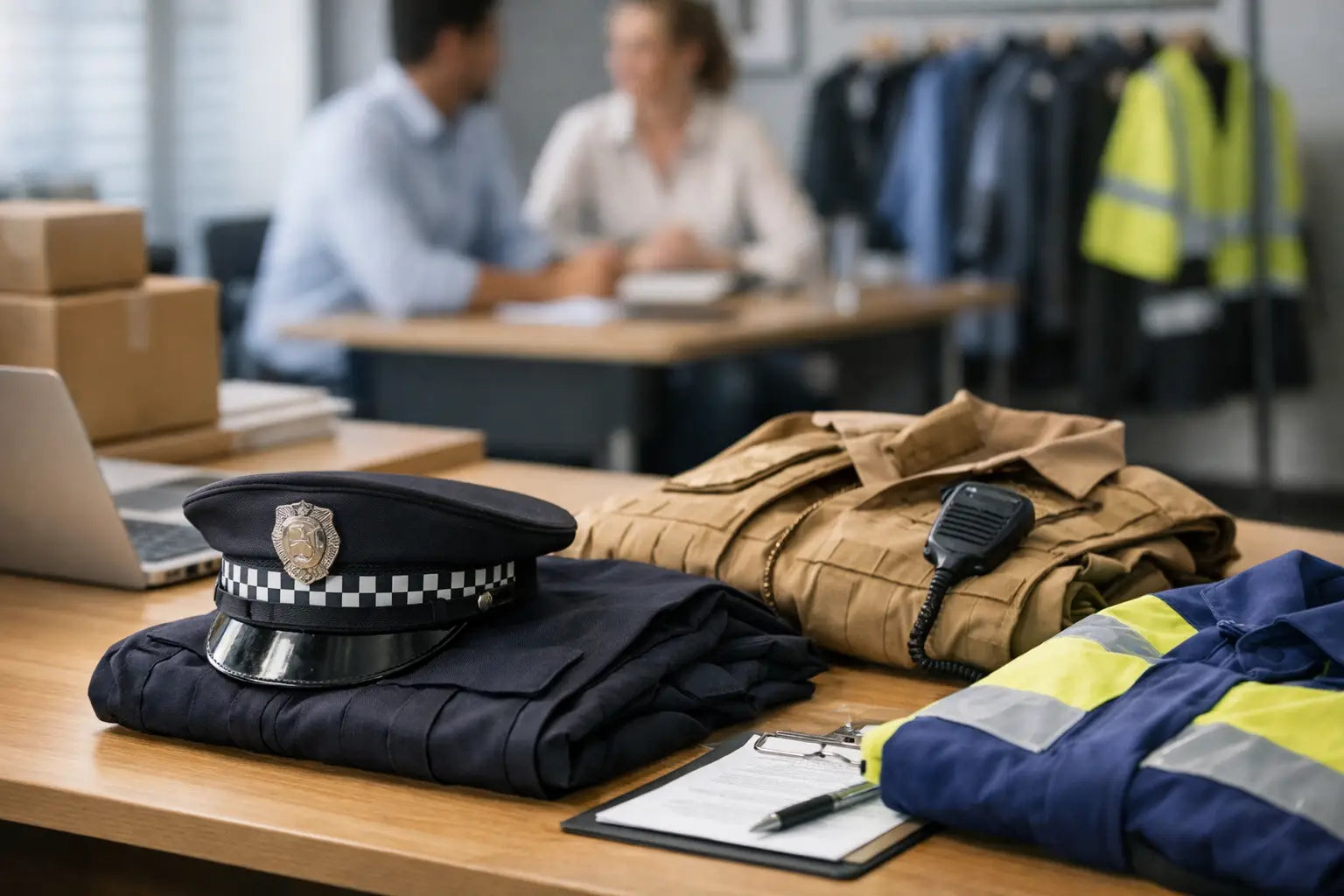
Most officers think first about visible duty gear, but your uniform base has more impact on day-to-day performance than people admit. A shirt that traps heat, pants that restrict movement, or boots with poor support can turn a manageable shift into a long one.
Look for uniforms built for movement and repeat wear. Ripstop fabrics, reinforced seams, and practical pocket layouts matter more than cosmetic details. If you carry a radio, gloves, notebook, or access cards, pocket placement should support how you actually work. A polished appearance still matters in private security, especially in residential, retail, healthcare, and corporate posts, so the uniform needs to hold its shape and present well after repeated washing.
Boots should match the environment. For indoor posts, lighter duty boots may be enough if they provide support and slip resistance. For patrol, industrial sites, or outdoor assignments, you may need more aggressive traction, waterproofing, and stronger ankle support. The trade-off is weight and break-in time. Heavier boots can provide more protection, but they also increase fatigue if you are constantly on the move.
Body armor and carriers: protection has to fit the mission
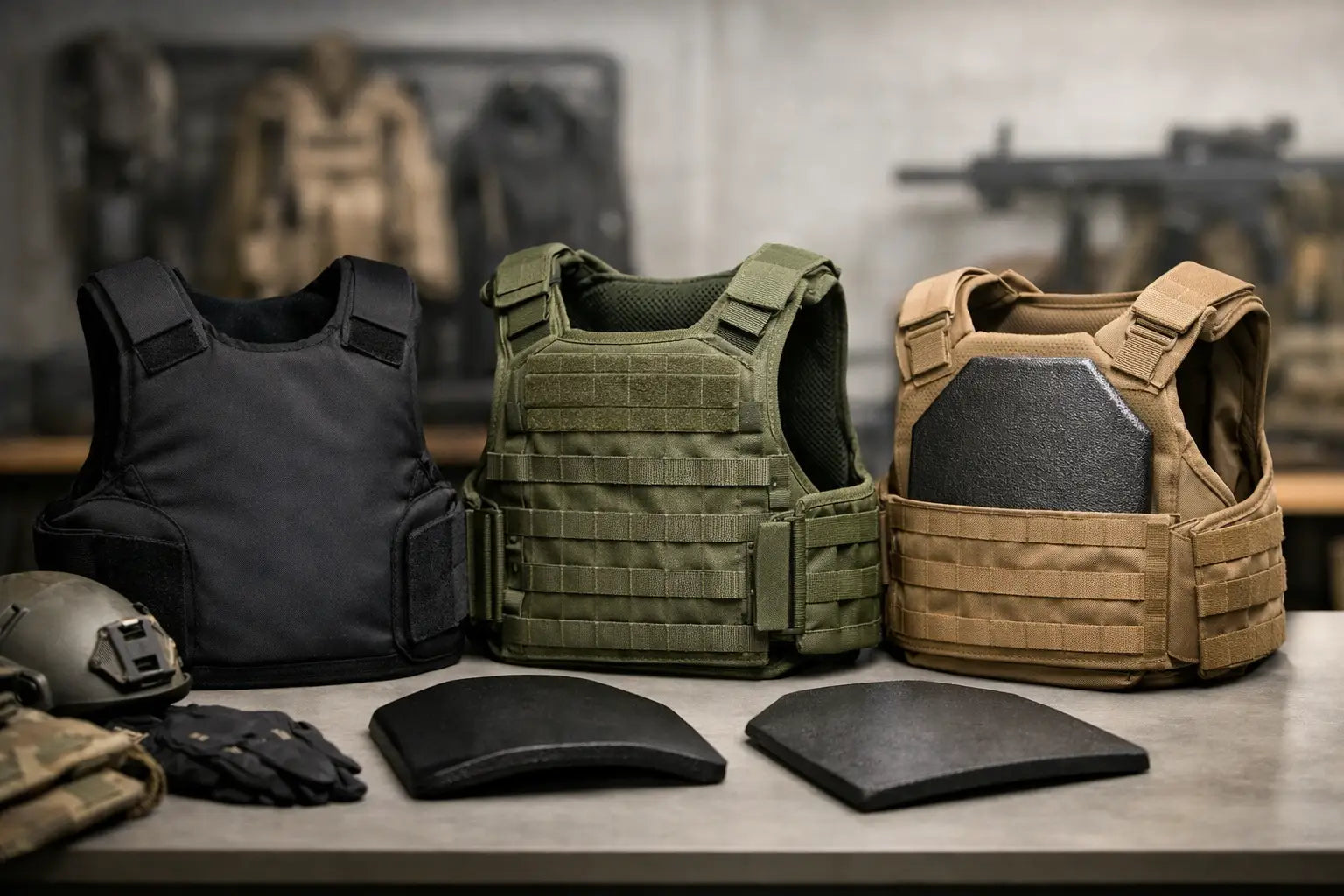
Not every private security role requires body armor, but where it is allowed or mandated, fit and coverage come first. Armor that is too large, poorly adjusted, or uncomfortable will not get worn consistently. That defeats the point.
Soft armor is common for concealed or low-profile roles where flexibility and appearance matter. It works well for officers who need a professional look under a uniform shirt or jacket. Plate carriers and hard armor setups fit higher-risk assignments, but they add weight, bulk, and heat. In South Florida and similar climates, that heat burden is a real factor. More protection is not always better if it reduces mobility and endurance.
Carriers should be evaluated for adjustment range, ventilation, and compatibility with the rest of your gear. If the carrier interferes with your radio placement, seatbelt use, or draw stroke, the setup needs work. Good armor should integrate into your duty routine, not create new problems.
Duty belts, holsters, and load carriage
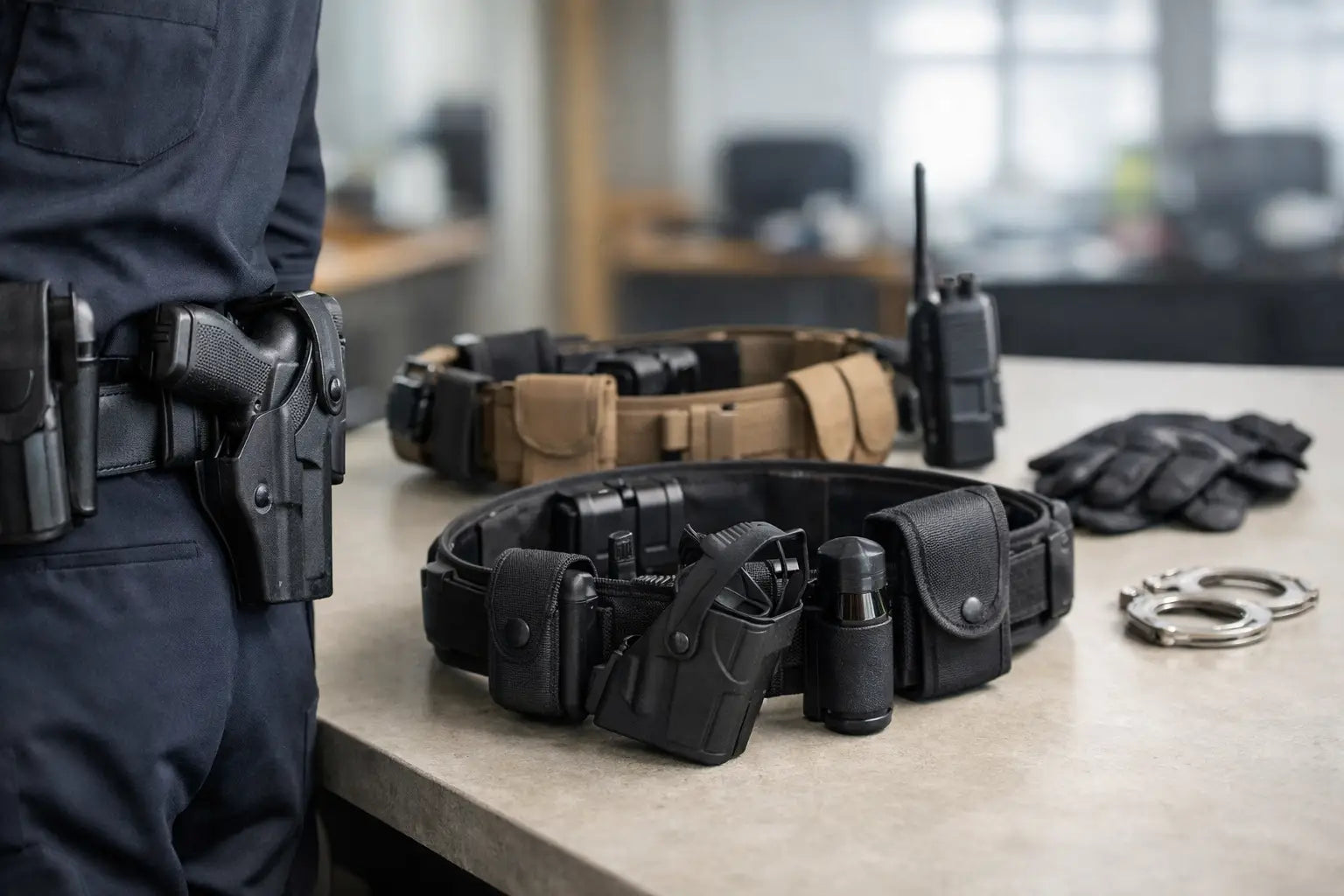
A duty belt is where many private security setups succeed or fail. If the belt sags, shifts, or creates pressure points, every piece of attached gear becomes harder to use. A dependable belt system should distribute weight well, stay stable, and allow a consistent draw from every mounted item.
Holster selection deserves extra attention for armed security professionals. Retention level, draw angle, firearm fit, and mounting position all matter. A low-cost holster that collapses, rides poorly, or lacks proper retention introduces avoidable risk. On the other hand, an overly bulky setup can make vehicle entry, seated work, and long shifts uncomfortable. The best holster is the one that secures the handgun, supports a repeatable draw, and fits your post requirements without slowing you down.
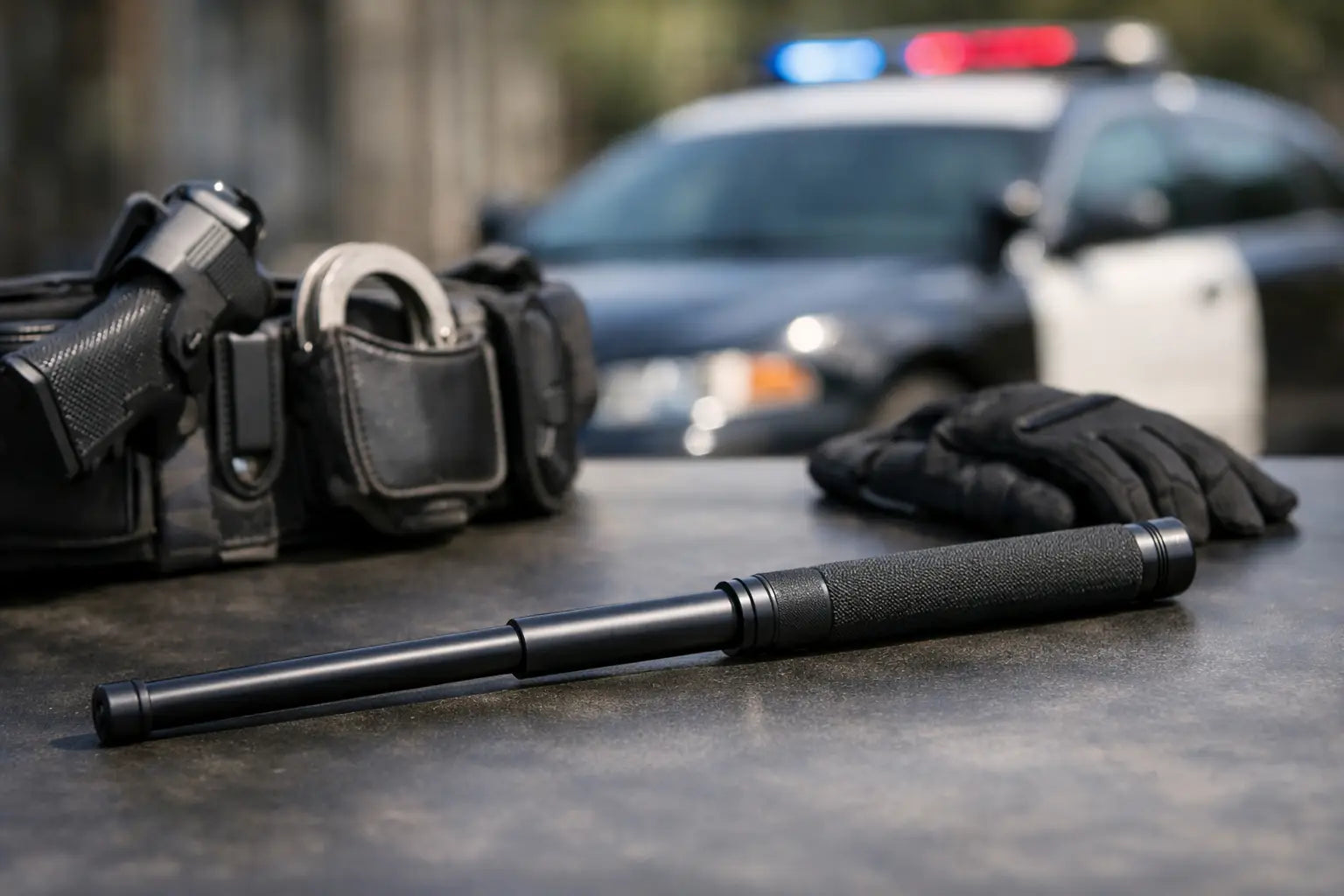
Magazine pouches, handcuff cases, glove pouches, and key holders should follow the same logic. Keep essential items accessible without overloading the belt. If your assignment involves extensive walking or vehicle patrol, some gear may be better moved to an external vest or bag to reduce belt fatigue.
Lights, communication tools, and the gear you use most
If you work nights, parking lots, warehouses, residential communities, or large commercial properties, a quality flashlight is not optional. Output matters, but beam pattern, runtime, switch design, and durability matter just as much. A light with extreme brightness may look impressive in a product listing, but if it overheats, drains quickly, or is awkward to activate under stress, it is the wrong tool.
Many officers benefit from carrying two lights: a primary duty light and a smaller backup light. That approach adds redundancy and gives you options for different tasks. A compact light is useful for quick ID checks or paperwork, while a larger duty light gives you better search capability and control in darker environments.
Communication gear also deserves careful selection. If your employer issues radios, think about how you carry them. A strong radio pouch, clear earpiece setup, and reliable microphone placement improve speed and professionalism. If the radio shifts, snags, or produces poor audio, your response time suffers. In security work, clear communication often solves problems before they escalate.
Less-visible essentials in a private security equipment guide
The gear people notice first is not always the gear that helps most. Good gloves, a compact medical kit, weather gear, and an organized duty bag often make a bigger difference over time than highly visible accessories.
Gloves should fit the task. Search gloves, cold-weather gloves, and general utility gloves are not interchangeable. If you need dexterity for writing, radio use, or equipment handling, bulky gloves can become a liability. For medical readiness, a basic trauma-oriented kit may be appropriate depending on your role, training, and company policy. At minimum, think through what you would need in the first minutes of an incident before EMS arrives.
A duty bag is where organization pays off. Spare batteries, chargers, report materials, rain gear, traffic tools, and backup equipment should be easy to find in low light and under pressure. A bag with too many compartments can be just as frustrating as one with too few. The right setup is simple, durable, and built around what you actually carry.
Buy for reliability, not just specs
On paper, many products look similar. In practice, build quality, warranty support, and brand consistency separate gear that lasts from gear that becomes a replacement problem. Authorized Dealer sourcing matters because counterfeits, unsupported gray-market products, and inconsistent quality control are real issues in tactical categories.
Known brands usually earn their place by performing under repeated field use, not by marketing alone. That does not mean the most expensive item is always the right call. It means your purchase should be based on expected use, compatibility, and service life. If a light, holster, or pair of boots is going to see daily duty use, long-term value matters more than saving a small amount upfront.
AE Tactical serves a lot of professionals who buy this way. They are not shopping for novelty. They are looking for gear that works on shift, ships fast, and holds up.
How to build your kit without overspending
The smartest way to buy is in phases. Start with the items that affect safety and daily performance first: footwear, belt setup, holster, flashlight, and any required protective equipment. After that, improve comfort and organization with better outerwear, gloves, bags, and backup tools.
It also helps to think in terms of replacement cycles. Boots and daily-wear uniforms take abuse. Lights and holsters should last longer if you buy well. Batteries, glove sets, and small accessories should be treated as consumables. Planning this way gives you a more realistic equipment budget and reduces rushed purchases when something fails unexpectedly.
Ask simple questions before buying any item. Will this hold up to my shift pattern? Does it comply with employer standards? Can I access it under stress? Will it still be comfortable after ten hours? If the answer is unclear, keep looking.
The best private security equipment guide is not really about owning more gear. It is about showing up ready with equipment that fits the post, supports the job, and keeps working when the shift gets long. Buy with the assignment in mind, and your setup will make your work easier instead of harder.