Cart
0





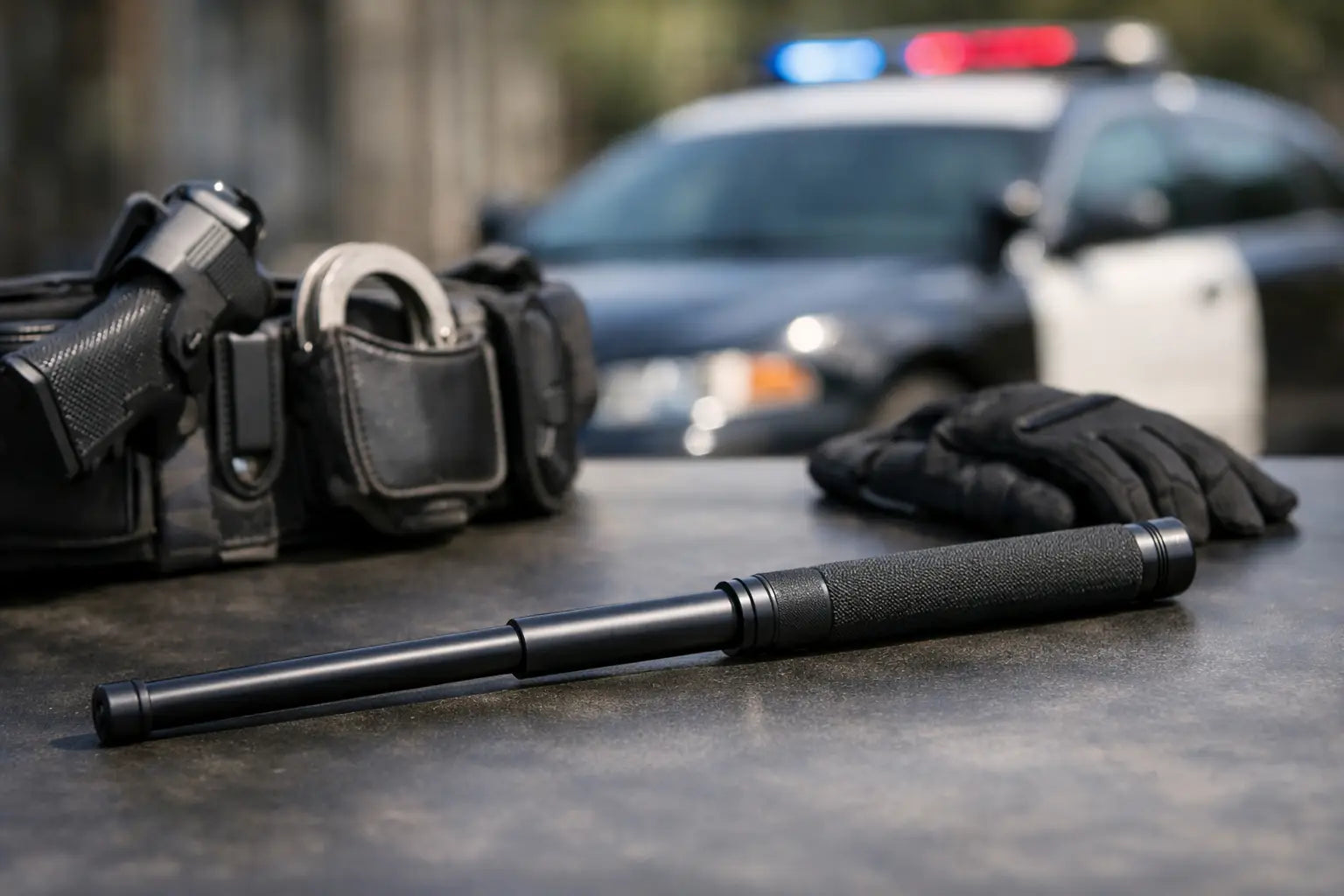
A duty baton earns its place the hard way. It has to deploy cleanly under stress, carry without becoming a nuisance on a long shift, and hold up to repeated training without turning into a maintenance problem. That is exactly why an ASP baton review for duty use needs to focus less on marketing claims and more on how the tool performs when it rides on a real belt.
ASP has been a standard name in law enforcement and security for years, and that reputation did not come from novelty. It came from consistent field adoption, broad agency familiarity, and a product line that addresses the basics well. For officers, deputies, corrections staff, and private security professionals, the question usually is not whether ASP makes a legitimate baton. The question is whether it is the right baton for your assignment, policy, and carry setup.
ASP baton review for duty use: what stands out
The strongest point in ASP's favor is predictability. A good expandable baton should do three things every time: stay compact on the belt, extend with authority, and remain secure during retention and striking. ASP batons generally meet that standard when paired with proper training and a quality carrier.
The expansion system is one of the reasons many users stay with the platform. A friction-lock ASP baton gives clear feedback when it opens, and that matters in a high-adrenaline encounter. You want a decisive extension, not something that feels vague or halfway seated. In training environments and duty carry alike, ASP batons have a long track record for dependable lockup when used correctly.
Grip design is another practical strength. ASP has offered several grip textures and profiles over the years, and the better ones provide enough traction for wet hands, gloves, or sweat without feeling oversized. For patrol and security users, grip confidence is not a small detail. If the baton shifts in the hand during a strike or retention movement, control suffers fast.
Weight is handled reasonably well across the line. Most ASP duty batons feel substantial enough to inspire confidence, but not so heavy that they become a burden by hour ten of a shift. That balance is part of why they remain common among users who already carry a firearm, magazines, medical gear, cuffs, light, and radio.
Build quality and durability in real use
ASP batons are built for repeated deployment and training use, but durability still depends on realistic expectations. A duty baton is a use-of-force tool, not an indestructible pry bar or breaching instrument. Within its intended role, ASP products tend to offer solid service life and consistent construction.
The shafts on quality ASP models hold up well to regular opening and closing cycles. Finish wear is normal over time, especially around the telescoping sections and impact areas, but cosmetic wear does not automatically mean the baton is compromised. What matters more is whether the sections continue to extend smoothly, lock up firmly, and collapse as designed.
That said, environmental conditions can affect any expandable baton. Sand, grit, moisture, and neglected maintenance can create problems. If you work coastal environments, humid regions, or corrections settings where gear gets knocked around daily, routine inspection matters. The baton should be treated like other duty gear - checked, cleaned, and replaced when wear starts affecting function.
For many users, ASP hits the sweet spot between cost and service life. There are cheaper expandable batons on the market, but cheaper often means looser tolerances, weaker lockup confidence, or inconsistent fit and finish. On duty, those trade-offs are usually not worth the savings.
Carry options matter more than most reviews admit
A baton can be excellent in the hand and still fail you on the belt if the carrier setup is wrong. This is one area where ASP has an advantage. The brand's scabbards and holders are widely recognized and generally support a clean, repeatable draw.
Rotating carriers are especially useful for patrol and vehicle-based assignments. Being able to position the baton along the belt line instead of forcing a fixed angle can make a real difference in comfort when seated. For officers who spend hours driving, report writing, and moving in and out of a cruiser, that comfort translates directly to whether the baton stays on the belt every day or gets left in a bag.
Retention and access have to be balanced. A carrier should keep the baton secure through foot pursuits, defensive tactics movement, and general daily activity, while still allowing a fast presentation. ASP's better carrier systems usually do this well, but users should still match the setup to assignment. A courthouse security professional, patrol deputy, and corrections officer may not want the exact same mounting position or level of retention.
Choosing the right ASP baton for duty use
Not every ASP baton is ideal for every role. Length, grip style, and carry profile all affect field performance.
A shorter baton can be easier to carry in tight spaces, more comfortable on a crowded duty belt, and less intrusive in vehicles. That can make sense for plainclothes details, executive protection, corrections, and some security roles. The trade-off is reduced reach. In a confrontation where distance management matters, a shorter baton gives you less working space.
A longer baton offers better stand-off capability and often feels more versatile for patrol work. The downside is that it may be less comfortable during long seated periods and slightly more noticeable on the belt. For many uniformed users, though, the extra reach is worth it.
Grip style is more personal than some buyers expect. A deeply textured grip can improve control, but if it is too aggressive for your hand or glove setup, it may feel uncomfortable during long drills. A smoother profile may carry better but offer less purchase when wet. This is one of those areas where assignment, weather, and training frequency all matter.
Where ASP performs best - and where it may not be the answer
For patrol, private security, and many corrections roles, ASP remains a practical duty choice because it is compact, familiar, and easy to integrate into existing belt setups. It works especially well for users who need a straightforward intermediate force option with broad training support and agency acceptance.
It may be less ideal for users who want a dedicated impact tool with no deployment step. A fixed baton has advantages in immediate readiness and simplicity, though it gives up concealability and belt convenience. Likewise, if your agency policy is highly specific about approved models, locking systems, or dimensions, the right answer may be whichever ASP configuration fits policy rather than whichever looks best on paper.
This is also where training matters more than brand preference. A quality baton in untrained hands does not become an effective tool just because it comes from a respected manufacturer. Deployment, retention, target discrimination, and legal use-of-force understanding are what make the equipment viable.
ASP baton review for duty use: value and buying confidence
From a value perspective, ASP usually lands where duty gear should - not bargain-bin cheap, not priced like a specialty item with little field upside. You are paying for a proven platform, broad acceptance, and reliable manufacturing. For public safety professionals, that is typically a better long-term buy than gambling on an off-brand baton that saves a little money upfront.
There is also practical value in buying from an Authorized Dealer that understands duty applications. Baton length, carrier compatibility, and agency needs are not random retail questions. They affect comfort, compliance, and field readiness. For individual officers and agency buyers alike, that support can be as important as the tool itself.
If you are outfitting for patrol, court security, corrections, or private security work, ASP remains one of the safer choices in the expandable baton category. It is not perfect for every role, and the best model depends on your belt space, policy, and training program. But for users who need dependable deployment, proven carry options, and a duty-ready reputation, ASP continues to justify its place on the belt.
Good gear should reduce uncertainty, not add to it. If your baton is going to be part of your duty setup, choose the configuration you will actually carry, train with consistently, and trust when the situation gets loud fast.