Cart
0





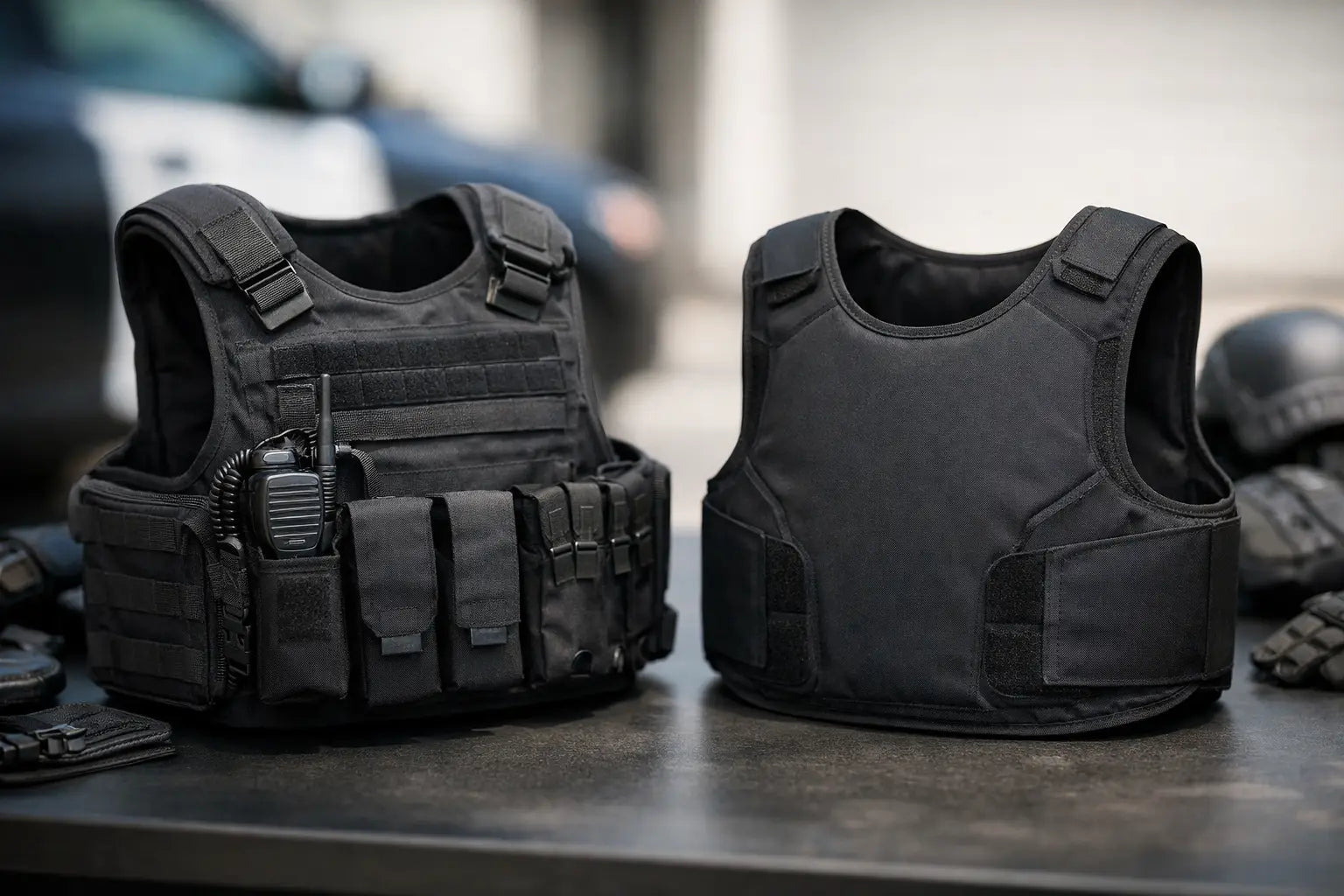
A soft vest that disappears under a uniform shirt solves a very different problem than a plate carrier built for rifle threats. That is the real starting point for understanding what body armor level matters. The right answer is rarely the highest rating on the shelf. It is the level that matches your threat profile, your environment, and the amount of weight you can carry without slowing down your job.
For law enforcement, private security, corrections, range use, and prepared civilian ownership, armor selection is about balancing protection with wearability. If the armor is too bulky, too heavy, or wrong for the assignment, it tends to get left in the vehicle, shifted around during movement, or worn inconsistently. Protection only helps when it is actually on your body.
What body armor level matters depends on the threat
When people ask what body armor level matters, they usually mean one of two things. They either want to know what level stops the most dangerous rounds, or they want to know what level they really need for daily use. Those are not always the same answer.
The National Institute of Justice, or NIJ, sets commonly referenced performance standards for ballistic resistance. In practical shopping terms, most buyers are comparing handgun-rated soft armor to rifle-rated hard armor.
Soft armor: everyday handgun protection
Soft armor is typically chosen for patrol, executive protection, many security roles, and other assignments where concealment, lighter weight, and mobility matter. It is designed around common handgun threats rather than rifle threats.
Level II is lighter and often more comfortable for long shifts, but it covers a narrower threat range than Level IIIA. That matters if you spend hours seated in a patrol unit, working a post, or moving in and out of buildings where comfort drives compliance.
Level IIIA is the common step up for users who want broader handgun protection. It is often the practical standard for concealed or overt soft armor because it balances stronger ballistic resistance with manageable bulk. For many duty users, this is where the conversation lands. It is not the lightest option, but it is often the most realistic one.
Hard armor: rifle protection changes the equation
Once rifle threats enter the picture, soft armor alone is not enough. That is where hard plates come in.
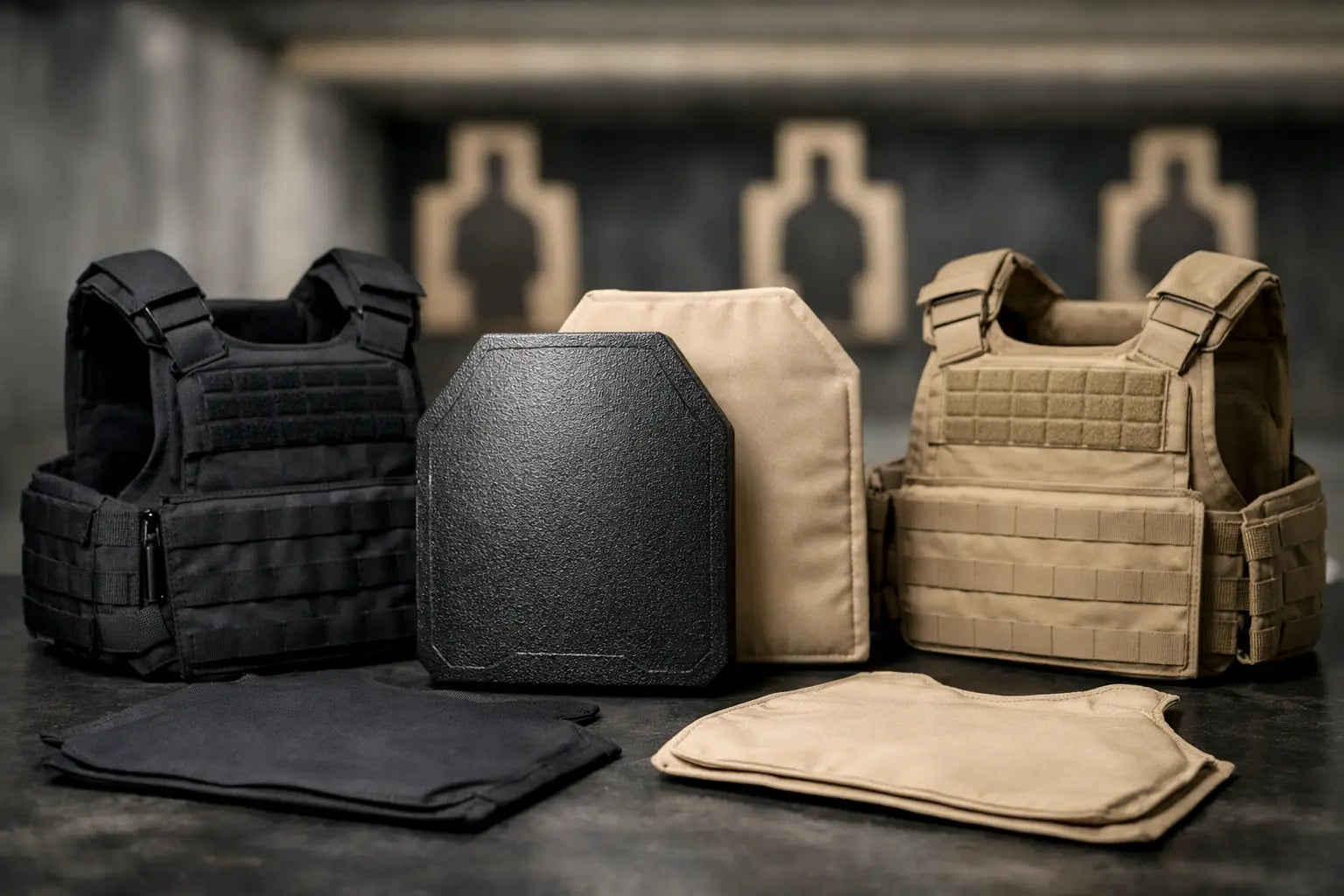
Level III plates are generally intended to stop certain rifle rounds, while Level IV plates are built for higher-threat rifle protection, including armor-piercing test threats under NIJ standards. On paper, Level IV looks like the obvious choice because it offers the highest commonly recognized rating. In actual use, that extra protection usually comes with more weight, more fatigue, and sometimes thicker plates.
If you are on a team, preparing for higher-risk warrant service, active shooter response, or fixed-site security with known rifle exposure, that trade-off may be justified. If you need armor for training days, vehicle operations, perimeter work, or a setup you can wear for extended periods, weight starts to matter fast.
The highest level is not always the best level
This is where a lot of buyers make an expensive mistake. They assume more protection is always better, then end up with armor that works well in theory and poorly in the field.
A heavier plate can reduce endurance, slow shoulder transitions, and make long hours in a carrier noticeably harder. That may be acceptable for short-duration, high-risk tasks. It may be the wrong call for a patrol rifle kit that has to stay practical and deployable.
The same logic applies to concealed soft armor. If the panel is too stiff or too hot for your climate, especially in South Florida-style heat and humidity, wear time drops. The best vest is the one you will keep on through the entire shift, not the one that looked strongest in a product chart.
What body armor level matters for different users
The answer changes based on mission.
Law enforcement and patrol
For many patrol officers, Level IIIA soft armor remains the practical baseline for daily wear because handgun threats are the most likely routine exposure. Rifle plates may still be part of the loadout, but usually as a supplemental response option rather than something worn all day.
That setup makes sense operationally. You get daily protection that is wearable under a uniform, then add rifle-rated plates when the incident calls for it.
Private security
Security work varies widely. An armed executive protection detail, a retail security team, and a vehicle patrol officer do not face the same risk profile.
For lower-visibility assignments, lighter concealable armor may matter more than maximum rating. For high-risk cash handling, armed posts, or work in elevated-crime areas, stepping up to IIIA soft armor or having access to rifle-rated plates may be the better fit. The key is not buying for the job title. Buy for the post order, environment, and likely threat.
Corrections and detention
Corrections personnel often need mobility in close quarters and gear that works in confined environments. Depending on policy and role, stab resistance and spike protection may be part of the conversation alongside ballistic protection. That is an important distinction because ballistic armor and stab-resistant armor are not interchangeable just because they look similar.
Civilian home defense and range use
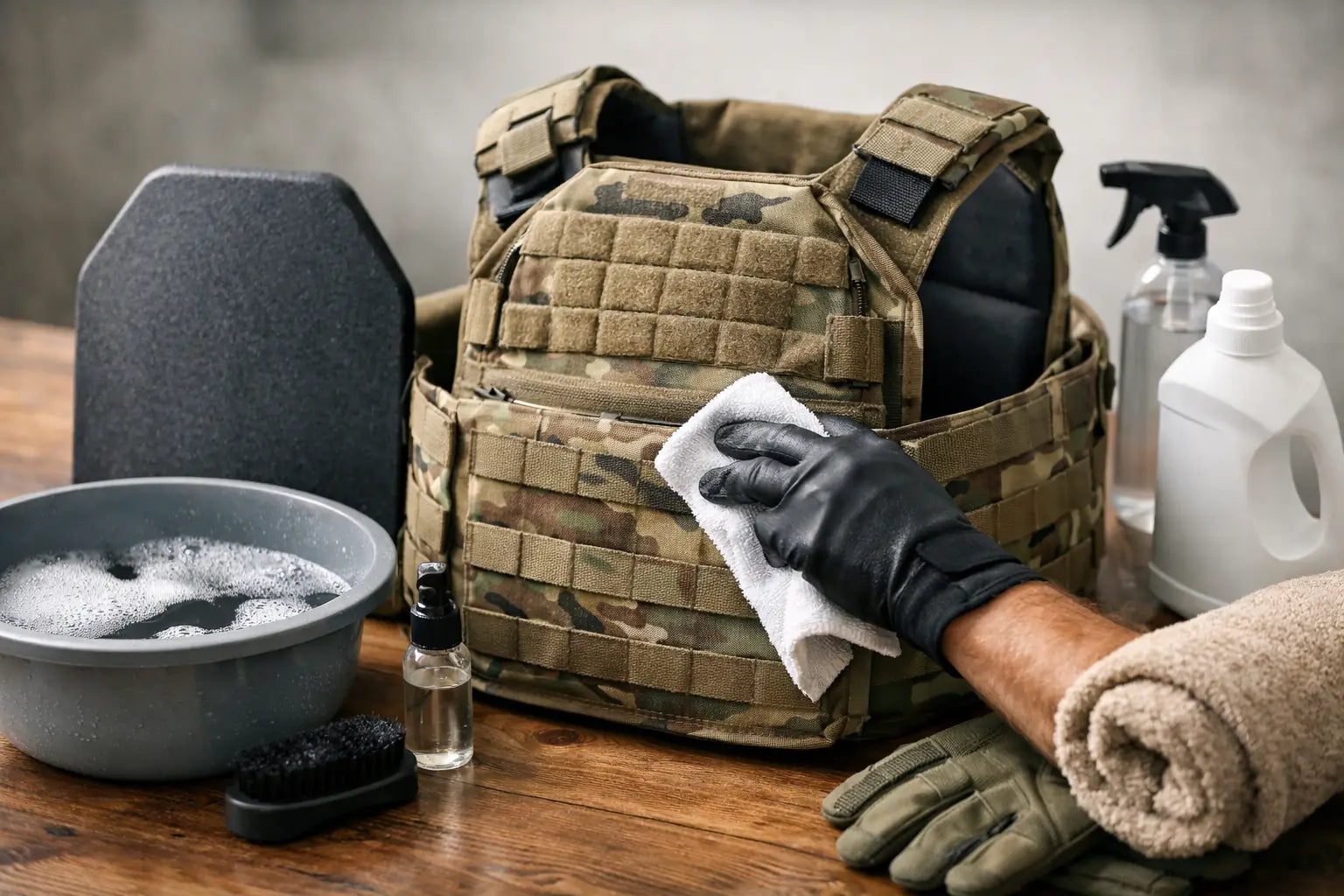
For civilian buyers, the question is often driven by home defense or emergency preparedness. A plate carrier with rifle-rated plates may sound appealing, but if the setup is too heavy, poorly fitted, or never trained with, it offers less practical value than expected.
For many prepared civilians, the better approach is to be honest about likely use. If the goal is emergency access to rifle protection, a quality plate setup can make sense. If the goal is frequent wear, movement, and sustained comfort, lighter options may serve better.
Fit, coverage, and cut matter as much as level
Armor level gets the attention, but fit often determines whether the protection works the way it should.
A poorly fitted carrier can shift during movement, leave gaps where you do not want them, and create enough discomfort to discourage regular use. Plates that are too large can restrict shouldering a rifle. Plates that are too small may leave critical areas less protected than intended.
Soft armor has the same issue. A concealable vest needs to fit your torso correctly, sit at the right height, and work with your uniform or outerwear. A high-rated panel that rides wrong is still a bad setup.
Cut also matters. Shooter's cut, swimmer's cut, and standard cuts all change mobility and coverage. There is no universally perfect answer. A more aggressive cut can improve shoulder mobility, but it may reduce protected surface area. Again, the right choice depends on the job.
Materials change comfort and cost
Two armor products with the same rating can feel very different in use.
Steel, ceramic, polyethylene, and hybrid plates each come with trade-offs in weight, thickness, durability, and price. Soft armor packages also vary by flexibility, heat retention, and profile. That means rating alone does not tell you enough.
A buyer focused only on the level may overlook the factors that affect daily performance. Can you wear it in heat? Can you move in and out of a vehicle? Can you stand a full shift with it? Can you train regularly in the same setup? Those questions usually matter more than marketing language.
Think in terms of realistic risk, not worst-case fantasy
A solid armor decision starts with honest threat assessment.
If your daily role centers on handgun exposure, concealed wear, and long shifts, soft armor may be the right primary solution. If your role includes credible rifle threats, plates move much higher on the priority list. If your needs are mixed, a layered approach often makes the most sense: wearable soft armor for daily protection and a rifle-rated plate setup for rapid deployment.
That is why experienced buyers ask about assignment, duration of wear, and environment before asking about the highest level available. They know armor is not just protective equipment. It is working equipment.
For professionals buying for themselves or agencies buying for teams, the smartest purchase is usually the one that aligns protection level with actual use, policy requirements, and wearer compliance. At AE Tactical, that is the conversation worth having before you commit to any vest or plate package.
If you are deciding what body armor level matters, start with the threat you are most likely to face, then work backward through weight, fit, and wear time. The right armor is not the one that sounds toughest. It is the one you can trust, train in, and keep on when the shift gets long.