Cart
0





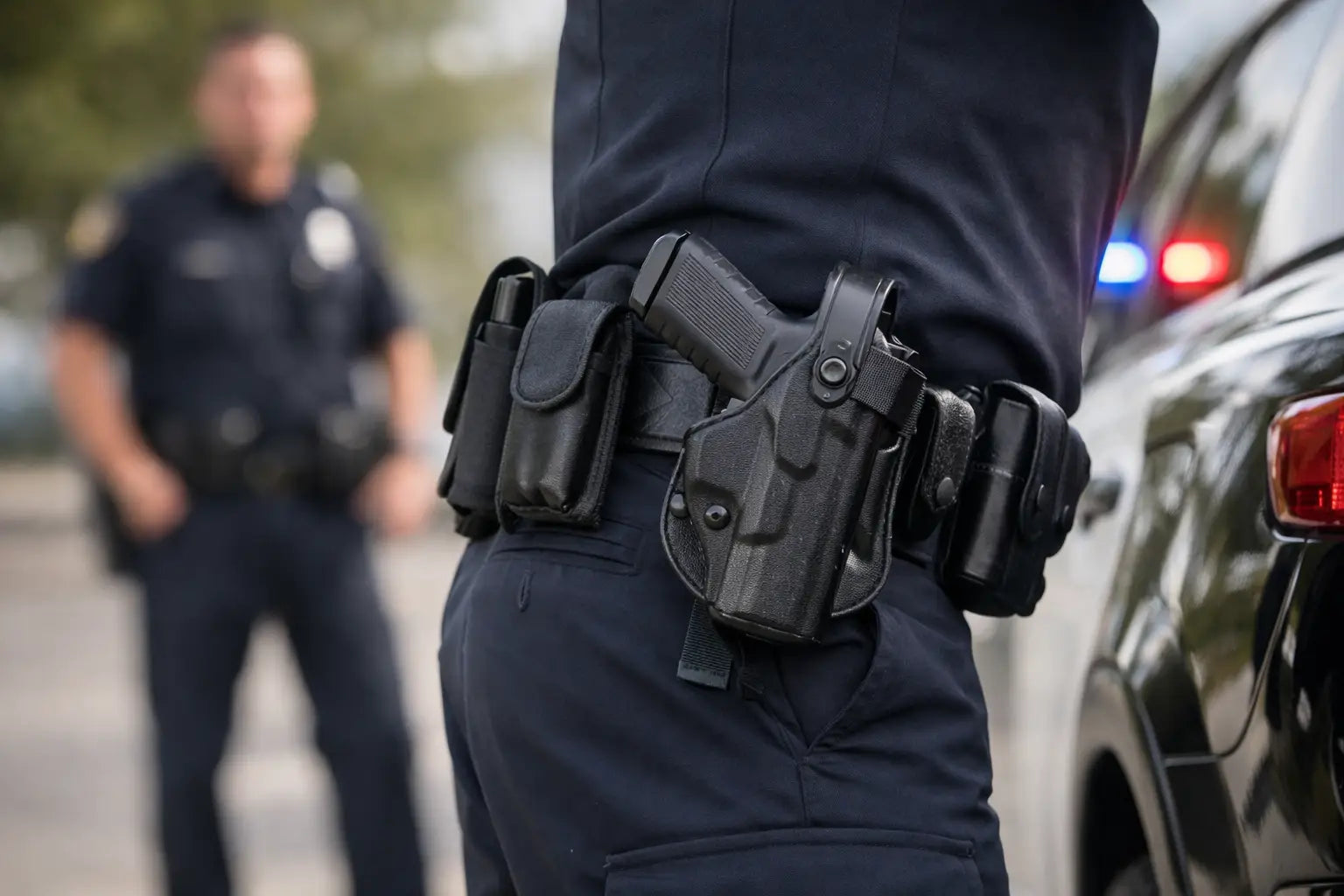
A duty belt can feel balanced in the locker room and still become a problem three hours into a shift. That usually shows up at the holster first. If your duty holsters ride too high, trap your draw, shift under movement, or fight your retention sequence, you notice it fast - especially when you are getting in and out of a vehicle, working a perimeter, or spending long stretches on post.
For law enforcement, security, corrections, and range professionals, a holster is not a basic accessory. It is part of your access, safety, and retention system. The right setup supports a consistent draw, secures the weapon during movement and contact, and holds up under daily wear. The wrong one slows you down, creates discomfort, or leaves too much room for failure when the pace changes.
What matters most in duty holsters
The first question is not brand. It is use case. A patrol officer working in and out of a cruiser has different needs than an armed security professional on foot, and both may want something different from a corrections officer or a range instructor. Duty holsters are built around retention, carry position, weapon fit, and durability, but the right balance depends on how you actually work.
Retention is where most buyers should start. On duty, passive friction alone is rarely enough. A true duty configuration usually means active retention that requires a deliberate release during the draw, while still preventing unauthorized access or weapon loss during physical movement. More retention generally adds security, but it can also add draw complexity. That trade-off matters. If the release sequence is awkward for your hand size, glove use, or draw stroke, it is not the right answer just because it looks secure on paper.
Fit is just as critical. A holster should be designed for your exact firearm model whenever possible, and if you run a weapon light or optic, compatibility needs to be confirmed up front. Many fit issues come from assuming a holster made for one version of a handgun will work with another. Even minor differences in slide length, light profile, or optic cut can affect retention and presentation.
Ride height and mounting style are often overlooked until the first long shift. Some users need a higher ride to keep the pistol close and stable on a standard duty belt. Others prefer a slightly lower ride to clear body armor and improve access. There is no universal best position. Your body type, armor setup, vehicle time, and other belt-mounted gear all affect what feels efficient.
Choosing duty holsters by assignment
A patrol setup usually demands the broadest balance of security, speed, and comfort. Officers may be seated in a vehicle, standing on scene, moving quickly, and working in close contact with the public. That means retention needs to be dependable, but access must remain consistent from multiple positions. A bulky holster with a difficult release may feel acceptable on the range and become a problem in the field.
Security work can vary even more. Some posts involve extended standing with minimal movement, while others require foot patrol, stairwells, access control, and frequent public interaction. In those cases, a stable mounting platform and predictable retention are often more important than shaving fractions of a second off the draw. Appearance can matter too. A professional, close-to-the-body profile may be preferred depending on the site and uniform standard.
Corrections personnel may need a setup that prioritizes weapon security above all else. If the role includes inmate contact or close-quarters movement, stronger active retention and limited outward bulk can make more sense than an aggressive draw angle or lower ride.
Range users and training staff still benefit from duty-grade construction, especially if they train hard and often. Repeated draws, weather exposure, and daily belt wear can wear out entry-level gear fast. A holster used for instruction should present consistently every time, not loosen up after a few sessions.
Retention levels and real-world trade-offs
The best retention system is the one you can operate consistently under stress. That sounds simple, but it is where many buying decisions go wrong.
Some duty holsters use hood systems, some use thumb releases, and others combine multiple retention points. More security can be a smart choice for patrol, transport, or correctional work, but every additional step in the draw has to be trained until it is automatic. If your support hand has to move gear out of the way, if your wrist angle feels forced, or if gloves change how you hit the release, that is not a minor issue.
There is also a balance between retention and reholstering. On a long shift, you want a holster that allows safe, confident reholstering without forcing you to look down every time. A design that collapses, binds, or catches on mounted accessories creates unnecessary friction during daily use.
This is why field users often prefer proven duty platforms over generic one-size-fits-most designs. Purpose-built construction usually gives you better consistency, stronger retention hardware, and more predictable wear over time.
Material, finish, and long-term wear
Most duty holsters in the professional space use rigid synthetic construction for a reason. It resists weather, keeps its shape, supports active retention systems, and generally stands up better to repeated daily use than softer casual-carry materials.
That said, not every rigid holster performs the same. Hardware quality matters. Mounting screws, belt attachments, and retention components take repeated stress from movement, vehicle use, and defensive retention. A holster body may look solid at first glance while the hardware becomes the weak point six months later.
Finish wear on the firearm is another practical concern. Any duty holster will create some wear over time, especially with frequent draws. The goal is not avoiding all contact marks. The goal is choosing a design that protects the weapon, holds retention properly, and keeps wear predictable rather than excessive or uneven.
If you work in heat, humidity, and frequent rain like many professionals in South Florida, material choice matters even more. Moisture exposure, sweat, and grit will test every part of your setup. A duty holster should be easy to clean and maintain, not something you have to baby between shifts.
Don’t overlook belt integration
A good holster can still perform poorly if it is mounted badly. Belt width, attachment system, and overall load distribution all affect draw consistency. If the holster shifts on the belt or tips outward under movement, retention and access both suffer.
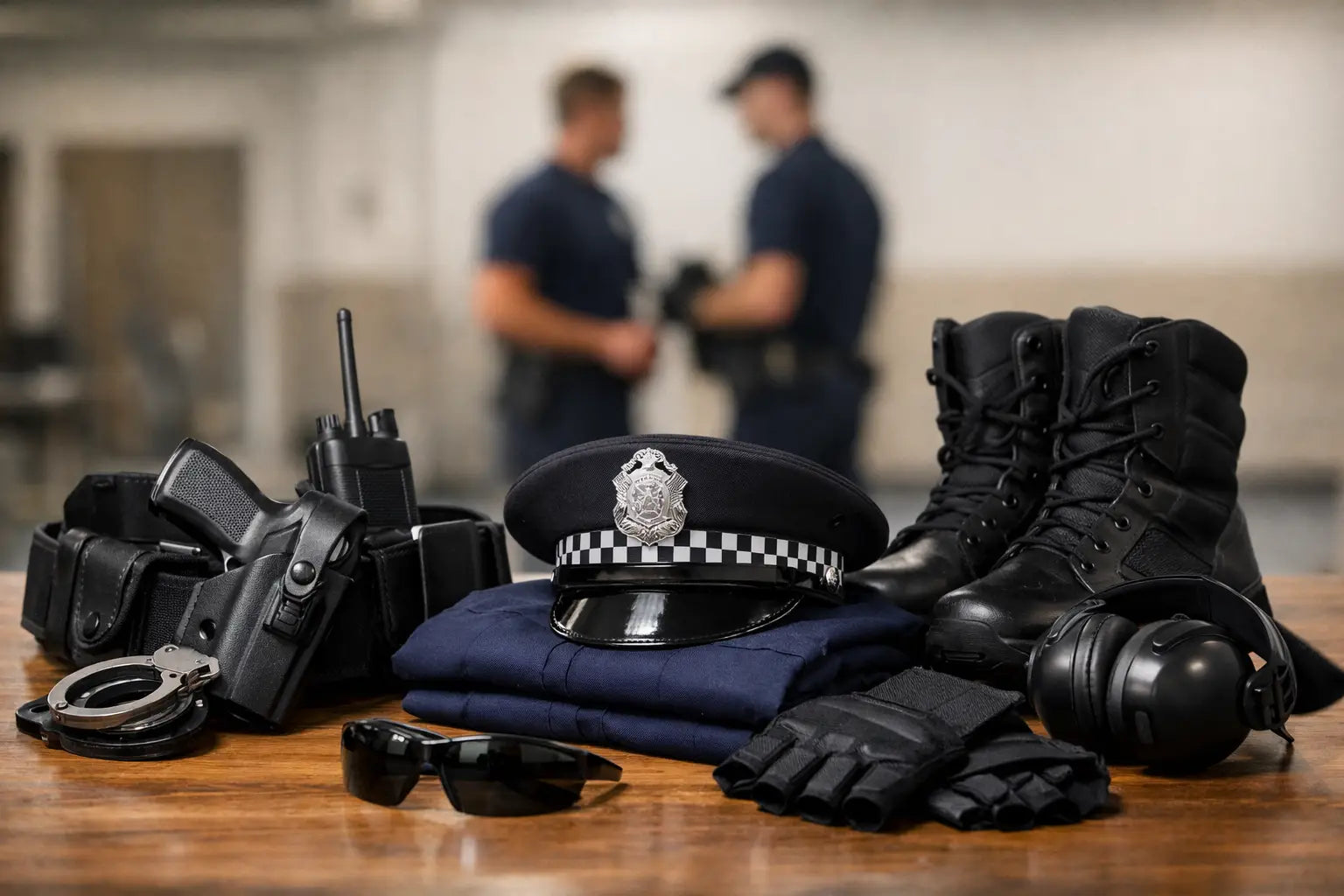
This is where complete setup planning pays off. Your magazine pouches, cuffs, radio, light, and medical gear all compete for space. Holster placement needs to work with the rest of the belt, not against it. A setup that feels fine in isolation may become crowded and inefficient once everything is mounted.
For agency buyers, standardization can matter as much as individual preference. A platform that supports common weapon and accessory configurations across the team can make training, replacement, and policy compliance easier to manage.
How to shop smarter for duty holsters
Start with the firearm, then add the real-world variables. Confirm the exact handgun model, hand orientation, and whether the user runs a weapon light, optic, or other accessory. After that, think through the assignment. How much vehicle time is involved? How much public interaction? Is maximum retention the top priority, or is the job better served by a faster, simpler draw with secure active retention?
Then consider training commitment. A more advanced retention system can be the right call, but only if the user will train with it enough to make the draw instinctive. If not, a simpler duty-rated design may be the better operational fit.
Finally, buy from a source that understands public safety gear rather than treating holsters like general sporting goods. An authorized dealer with a duty-focused assortment can help narrow options based on actual field use, not guesswork. For professionals who need dependable gear fast, that makes a difference. AE Tactical serves that role by building its selection around working law enforcement, security, fire, and EMS customers rather than casual retail trends.
The best holster is the one you stop thinking about once the shift starts. It stays secure, clears cleanly, fits your firearm the right way, and works with the rest of your gear instead of creating one more problem to manage.