Cart
0





A duty uniform that looks fine on the hanger can become a problem halfway through a shift. Pants bind when you get in and out of the unit, the shirt pulls across the shoulders when you reach, and the outer carrier suddenly changes the fit of everything under it. That is why knowing how to size duty uniforms matters - not for appearance alone, but for mobility, comfort, and daily performance.
Sizing duty uniforms is different from sizing casual clothing. You are not just buying for a standing fit in a dressing room. You are buying for long hours, repeated movement, weather changes, and the added bulk of belts, armor, radios, and layered gear. A proper fit needs to hold up through all of it.
How to size duty uniforms for real-world use
The first thing to understand is that label size and working fit are not always the same. One brand's medium shirt may fit close through the chest, while another gives more room in the shoulders for range of motion. Tactical cuts, traditional uniform cuts, and women-specific patterns can all fit differently even when the tag shows the same number.
That is why measurements matter more than assumptions. If you normally wear a 34 waist in jeans, that does not automatically mean a 34 in duty pants will fit correctly, especially once you factor in a duty belt and the rise of the pant. The same goes for shirts. Your casual dress shirt size can be a starting point, but duty shirt construction, reinforced seams, and designed-in mobility panels all affect the final fit.
For most professionals, the best approach is to size from actual body measurements first, then adjust based on the intended loadout. If your assignment requires armor, an outer vest carrier, or cold-weather layering, your uniform cannot be sized in isolation.
Start with the right measurements
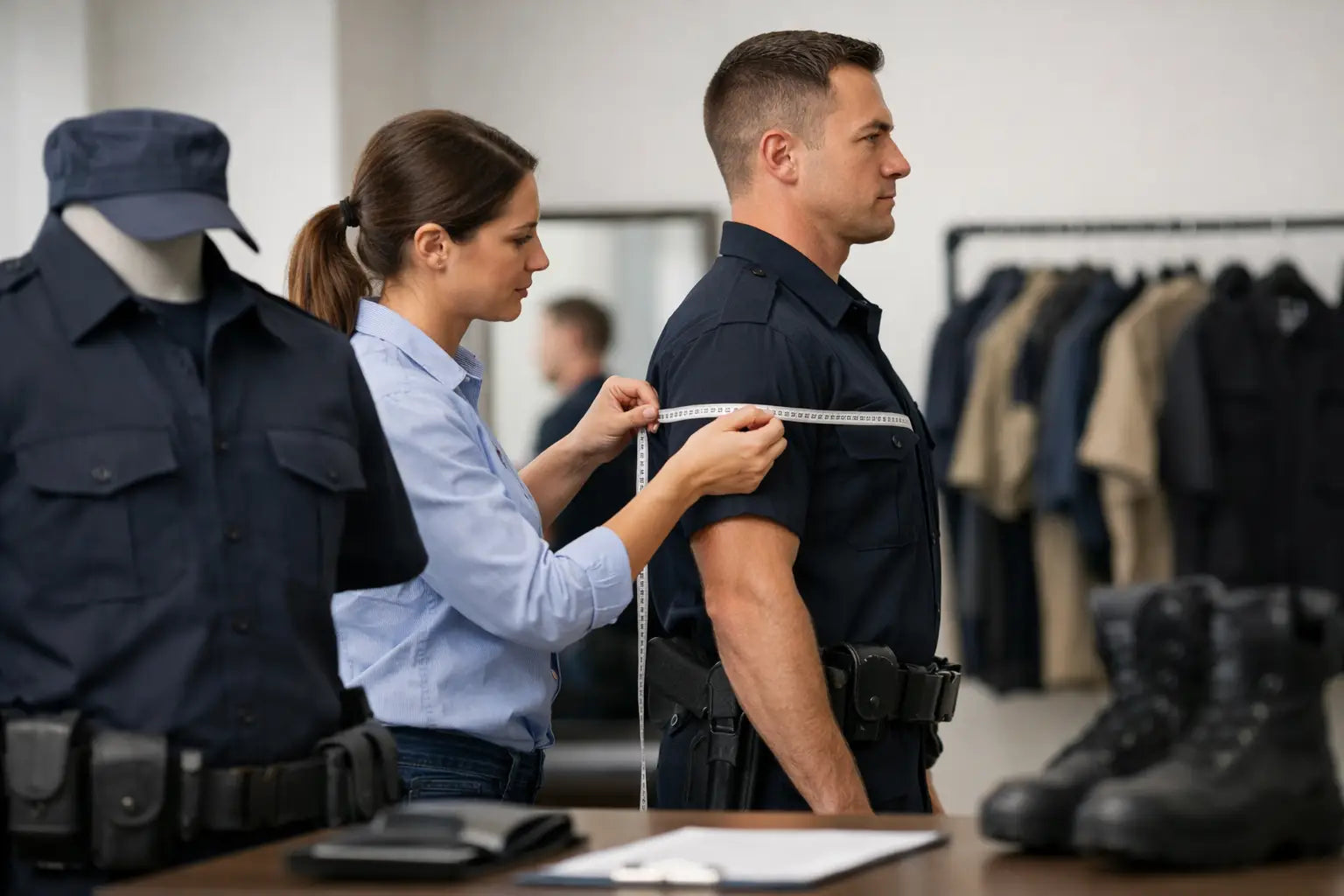
Use a flexible measuring tape and measure over a lightweight base layer, not over heavy clothing. Stand naturally. If someone can help, even better. Self-measuring usually creates small errors, and small errors become obvious on a 12-hour shift.
For shirts, start with neck, chest, sleeve, and shoulder width if the brand provides that level of guidance. Chest is usually the most important number. Measure around the fullest part of the chest with arms relaxed, keeping the tape level but not tight. For sleeve length, measure from the shoulder point down to the wrist with a slight bend in the arm. That matters because sleeves that are fine when your arms are straight can ride up once you reach for equipment.
For pants, measure true waist and inseam. Your true waist is not always where you wear casual pants. Many duty pants are designed to sit differently because of belt placement, pocket design, and mobility panels. Measure where the pant is meant to sit, then compare that with the brand's chart. Inseam should be measured from the crotch to the point where you want the hem to fall while wearing your duty boots, not athletic shoes.
If you are sizing outerwear, measure chest again while considering what will be worn underneath. A jacket worn over a uniform shirt is one fit. A jacket worn over a carrier or fleece is another.
Shirt fit should support movement, not just appearance
A duty shirt should look professional, but the real test is movement. Once you have the size on, check the fit through the shoulders first. If the shirt binds when you extend your arms forward or overhead, it is too tight for duty use even if the torso looks clean.
The chest should allow room to breathe and move without excess fabric ballooning under armor or outerwear. Too fitted can restrict motion and wear out faster at stress points. Too loose can snag, bunch under carriers, and look unprofessional. There is a middle ground, and it depends on your assignment.
Collar fit matters more on traditional uniform shirts. You want enough room to button the neck comfortably without pressure. If the collar is too tight, the shirt becomes uncomfortable early in the shift. If it is too loose, it can look sloppy and affect the line of the uniform.
Sleeve length should reach the wrist without pulling when your arms are bent. Short sleeves should not cut too high into the armhole or restrict shoulder movement. If your role involves a lot of reaching, driving, or carrying, prioritize shoulder mobility over a trim chest fit.
Pants sizing is where most fit issues start
Duty pants take more abuse than almost any other uniform item. They need to fit while standing, walking, sitting, kneeling, and stepping over obstacles. A pair that only fits when you are standing still is not sized correctly.
Waist fit should be secure without becoming tight once your duty belt is on. If the waistband already feels close before you add gear, it is likely too small. On the other hand, pants that rely on cinching or bunching at the belt usually create pressure points over a long shift.
Pay close attention to the seat and thighs. This is where mobility either works or fails. If the fabric pulls when you sit in a patrol vehicle or squat, go up in the appropriate measurement or switch to a different cut. Some professionals need a more athletic fit through the legs, while others need a fuller traditional cut. Neither is better by default. It depends on build, assignment, and personal range of motion.
Length should be checked with duty boots on. Pants that are slightly long in socks can end up looking right with the proper boot. Pants that look perfect barefoot often end up too short on duty. The hem should sit cleanly without stacking excessively or riding too high when seated.
Consider your gear before you commit
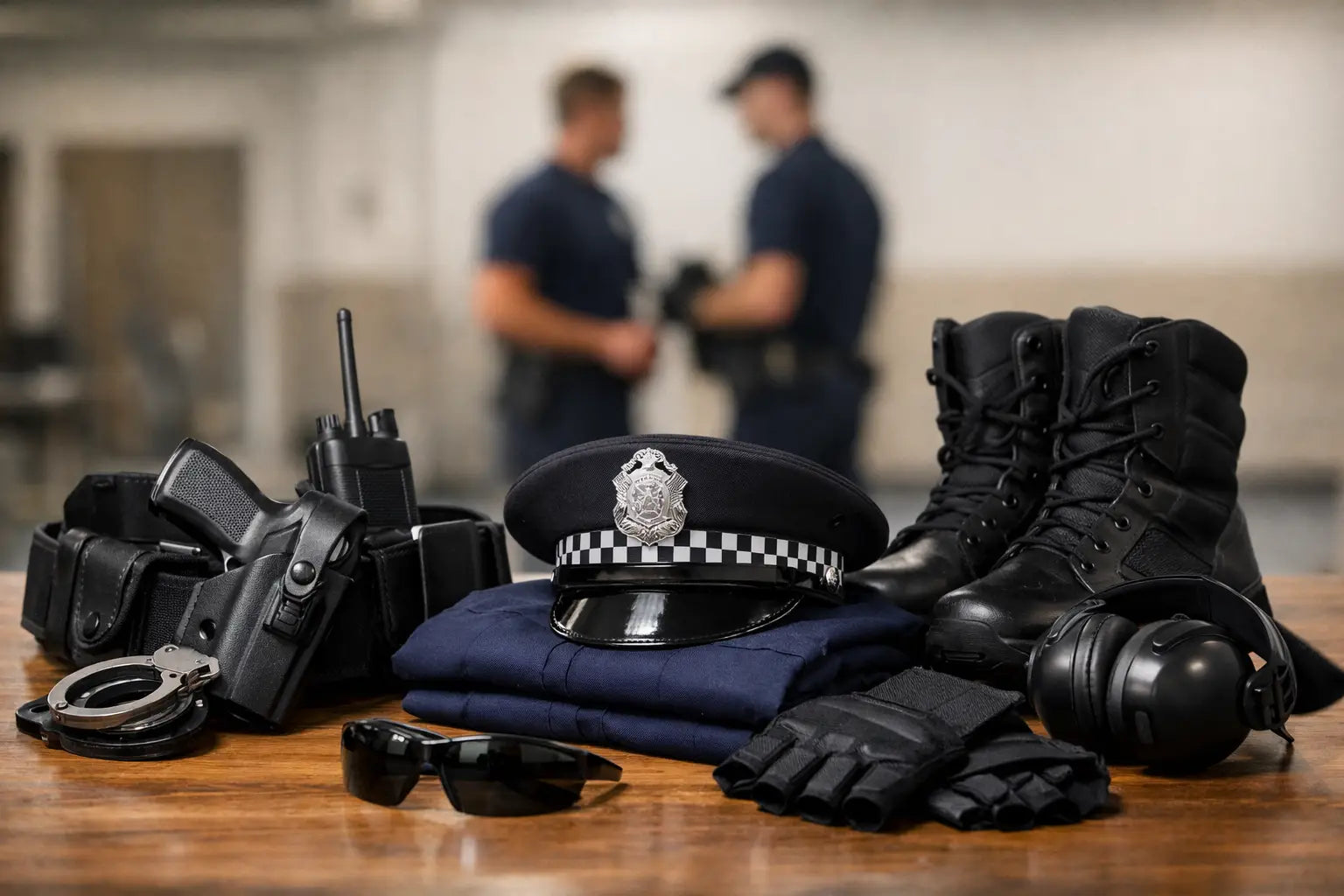
One of the biggest sizing mistakes is treating the uniform like a standalone purchase. In real use, it works with body armor, an inner or outer carrier, a duty belt, radio placement, and weather layers. Those pieces affect fit.
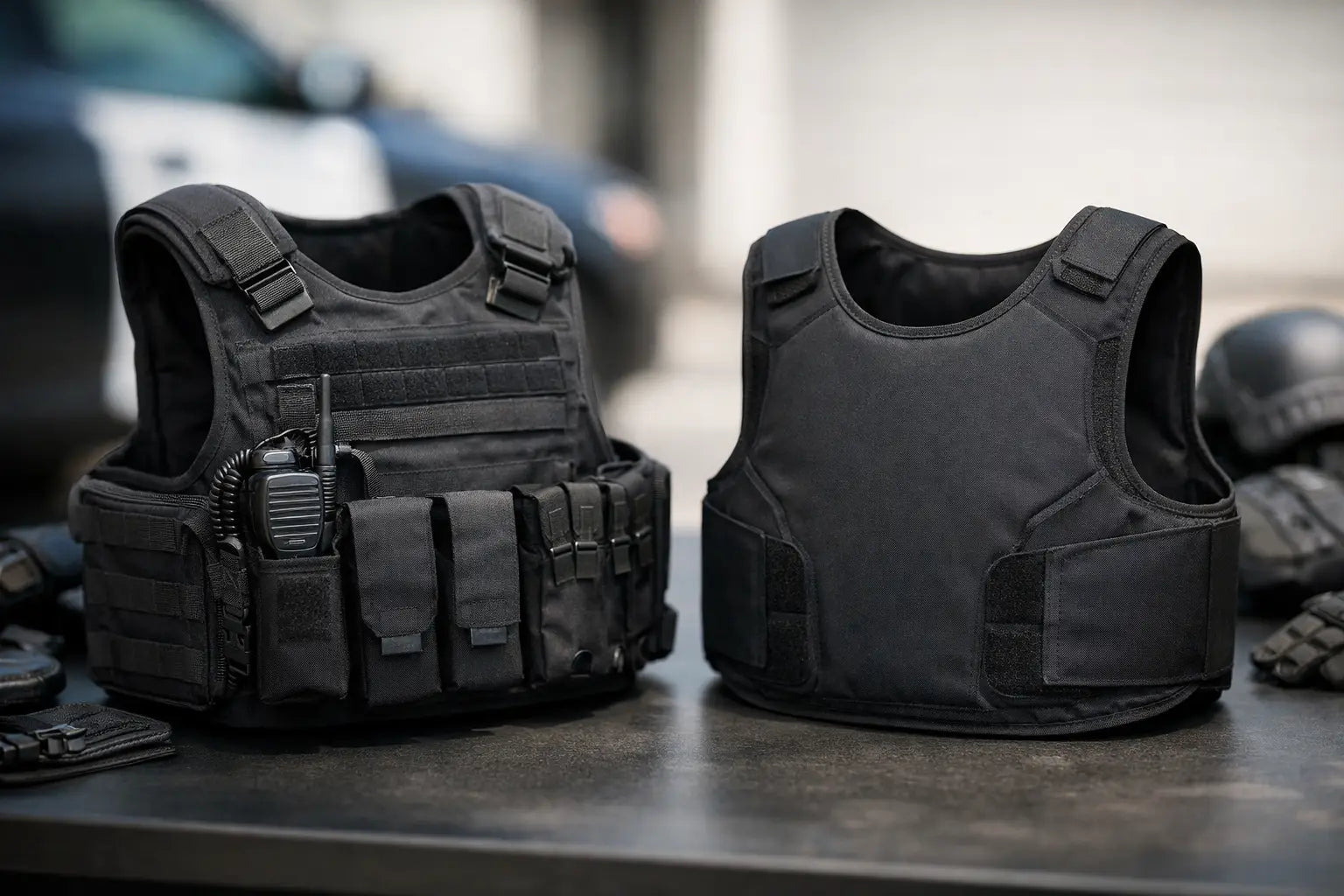
If you wear an external vest carrier, your shirt may not need as much extra room through the torso, but you still need shoulder and arm mobility. If you wear concealed armor under the shirt, you may need additional chest room and sometimes a different shirt cut entirely. If your duty belt sits high and carries a full loadout, the rise and waistband comfort of the pants become more important than the tag size alone.
Cold-weather layers change the equation too. If you work in conditions where a base layer or fleece is routine, account for it when sizing outer garments. Buying a jacket that only fits over a T-shirt usually leads to a short-lived solution.
Brand-to-brand variation is real
There is no universal duty uniform fit. Even among respected uniform brands, sizing can vary in the chest, rise, sleeve shape, and overall cut. Some are built for a cleaner class-B appearance. Others prioritize range of motion and cargo access. That is why checking each product's size chart matters.
If you are between sizes, the right choice depends on the garment and use case. For shirts worn over armor or base layers, sizing up may make sense. For pants, going up in the waist without checking the seat and thigh fit can create a different problem. Sometimes the better answer is not a larger size but a different cut.
For agencies ordering in quantity, consistency matters even more. It helps to test a sample fit before placing a larger order, especially if officers or staff have different builds and assignments. A standard approved brand does not guarantee a standard fit across every product line.
Common mistakes when sizing duty uniforms
The most common mistake is sizing for a mirror instead of a shift. A sharp-looking fit is good, but a duty uniform must perform first. Another mistake is measuring over bulky clothing or guessing based on denim and casual shirt sizes.
Many buyers also forget to test movement. Before keeping a uniform, sit down, reach forward, raise your arms, kneel, and twist at the waist. If the fit fails during those motions, it will fail faster in the field. Finally, do not ignore shrinkage and care instructions. Some fabrics hold size well, while others can change slightly after laundering.
When a tailored fit helps and when it does not
Tailoring can improve a uniform, but only within reason. Hemming pants or adjusting sleeve length is often worthwhile. Taking in a shirt for a cleaner line can also work if it does not reduce mobility.
What tailoring should not do is force the wrong size to behave like the right one. If the shoulders are off, the rise is wrong, or the seat is too tight, tailoring is usually not the fix. Start with the correct base size and cut, then make minor refinements.
For public safety professionals, the best fit is the one that stays comfortable at hour ten, keeps a professional appearance, and does not get in the way of the job. If you are shopping with a specialized outfitter like AE Tactical, use that advantage. Product guidance built around actual duty use can save time, reduce returns, and get you into a uniform that works the way it should.
A uniform should never be the thing you notice most during a shift. When the sizing is right, it disappears into the job - and that is exactly the point.