Cart
0





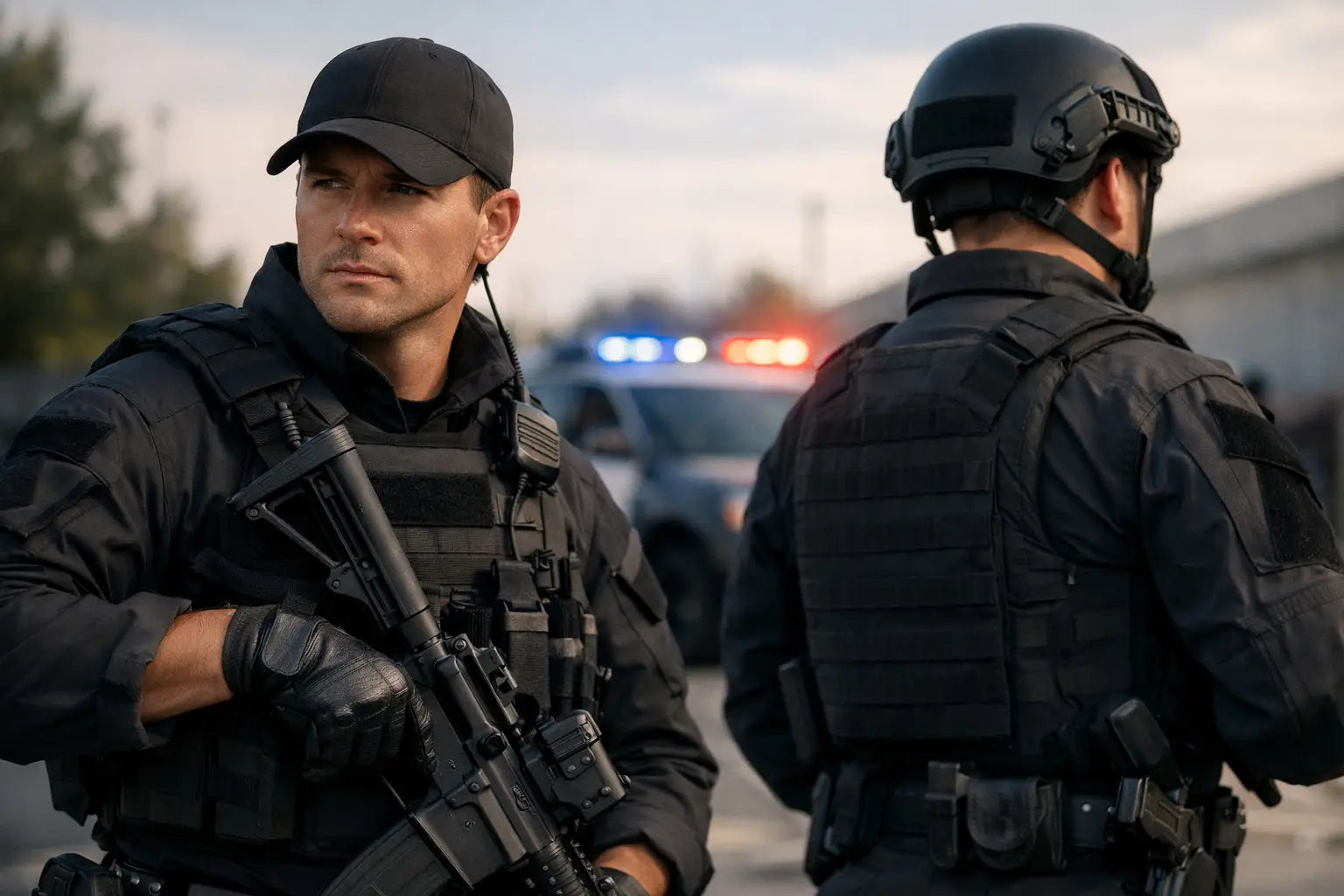
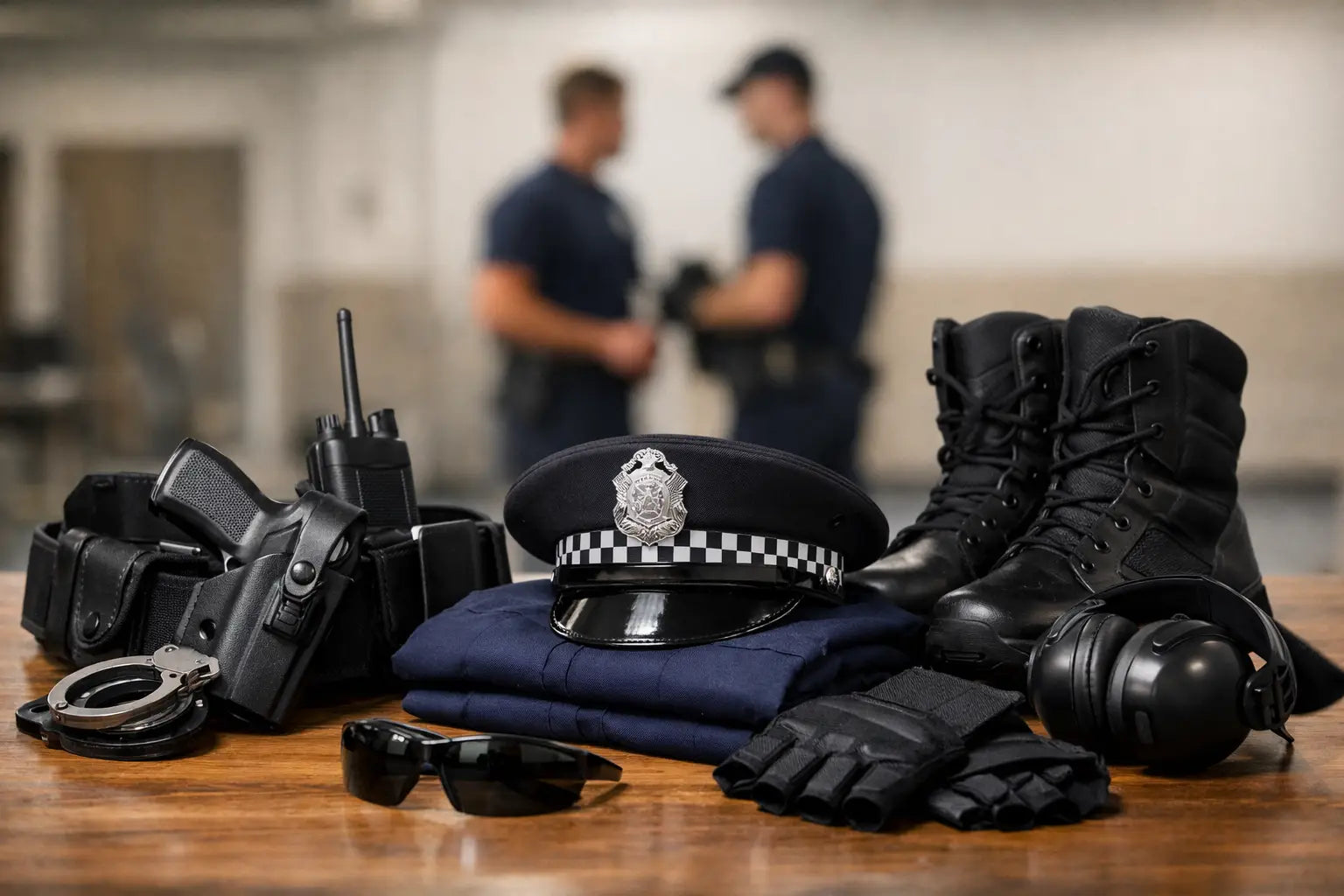
A uniform that looks fine on the hanger can fail fast once the shift starts. Waistbands bind under a duty belt, knees wear out early, shirts lose shape after repeated washes, and the wrong fabric turns a hot call into a long, uncomfortable day. That is why tactical uniforms are not just about appearance. For law enforcement, security, corrections, fire support roles, and range professionals, they are part of daily performance.
What tactical uniforms need to do well
The best tactical uniforms earn their place by solving practical problems. They need to move with the body, hold up through repeat wear, and maintain a professional appearance after long hours in patrol cars, on foot posts, at training days, or during high-activity responses. If a uniform cannot handle bending, kneeling, reaching, and extended belt load, it is not doing the job.
Comfort matters, but comfort alone is not enough. Duty uniforms also need to support policy compliance, climate demands, and gear integration. A shirt that fits well but does not meet agency standards is a nonstarter. Pants with plenty of pockets may sound useful, but too many external features can create a bulky profile or conflict with a cleaner uniform requirement. The right choice usually comes down to balancing mobility, durability, and presentation.
Fabric choices make a bigger difference than most buyers expect
Uniform fabric is where performance starts. In real use, the blend affects heat retention, wrinkle resistance, fade control, and how the garment handles repeated laundering. That matters for individual officers and security teams buying their own gear, but it matters just as much for agency buyers trying to standardize around durability and appearance.
Poly-cotton blends remain a common choice because they strike a reliable middle ground. They tend to resist wrinkles better than 100 percent cotton, dry faster, and still feel familiar enough for all-day wear. For many duty environments, that balance works. If the assignment includes outdoor exposure, vehicle time, and regular wash cycles, a good blend often gives the best return on cost.
Ripstop fabrics are worth a serious look for users working in harsher conditions. They are designed to resist tearing and hold up well when the job includes friction, contact with rough surfaces, or repeated kneeling. The trade-off is that some ripstop materials can feel stiffer than softer twill options, especially before they break in. For some users, that added structure is a benefit. For others, especially in office-heavy assignments, it may feel unnecessary.
Mechanical stretch and stretch-panel designs also deserve attention. They can improve mobility when climbing, crouching, or moving quickly around a loaded belt. The upside is obvious during active work. The downside is that not every stretch fabric handles long-term wear the same way, so brand quality matters.
Fit affects performance as much as fabric
Poor fit causes problems that add up over a shift. A shirt that rides up under armor or outerwear becomes a constant distraction. Pants that are too tight in the seat or thighs limit movement. Pants that are too loose can sag under a belt and create extra wear around the waistband. None of that helps when you are trying to stay focused.
Modern tactical uniforms typically come in classic, regular, and more athletic fit profiles. That sounds simple, but choosing the right cut can be the difference between a uniform you tolerate and one you trust. A slimmer fit may look sharper, but if it binds during movement, it is the wrong fit for operational use. A roomier fit can improve mobility, but too much excess fabric can print poorly under gear or snag more easily.
In practice, the best fit usually leaves enough room for movement without looking oversized. That is especially important for professionals who wear external carriers, duty belts, radios, body cameras, or layered outer garments. Uniforms should work with the rest of the loadout, not fight it.
Tactical uniform shirts: where appearance meets function
Shirts tend to carry the visible standard of professionalism, so they often get judged first. Collar structure, pocket layout, badge tab compatibility, and color retention all matter. But function still has to lead. A sharp-looking shirt that traps heat or restricts movement will not hold up in field use.
For patrol and security work, moisture management and ventilation can make a real difference. In hot and humid conditions, lighter-weight performance fabrics help keep the wearer more comfortable through long hours outdoors or in and out of vehicles. In cooler settings, a slightly heavier fabric may present better and hold shape longer. There is no single right answer. Climate and assignment should drive the decision.
If the role requires a clean command presence, a traditional uniform shirt may still be the better pick over a more overtly tactical design. On the other hand, if the work is more active and less formal, a performance polo or field-style uniform top may offer better range of motion and easier care. It depends on policy, public-facing expectations, and how much physical movement the job actually involves.
Tactical uniform pants: built for movement and wear
Pants do most of the hard work. They deal with constant abrasion, seat pressure in vehicles, belt tension, and repeated movement. This is where reinforced knees, gusseted crotches, durable belt loops, and practical pocket placement start to matter.
A good duty pant should support your gear without forcing awkward movement. That means the waistband needs to stay stable under a loaded belt, and the pocket design needs to be useful without creating bulk. Cargo storage can help, especially for utility-focused assignments, but oversized pockets are not always the answer. Some officers and security professionals prefer a cleaner profile with just enough extra capacity for gloves, notepads, or small tools.
Length and rise are often overlooked. Too long, and the hem drags and wears out early. Too short, and the pant can ride up when seated or kneeling. The rise also affects comfort more than many buyers expect, especially when a duty belt, inner belt, or concealed support gear is part of the daily setup.
Compliance, climate, and use case all matter
Not every tactical uniform belongs in every role. A private security supervisor in a polished public-facing environment may need a different uniform than a patrol officer, corrections deputy, or range instructor. The mission drives the uniform.
Agency policy is the first filter. Color, style, badge placement, and approved brands may already be defined. After that, buyers should think about work environment. South Florida heat puts more pressure on breathability and moisture control than a cooler region would. Indoor assignments may allow for heavier fabrics with a more structured look, while outdoor work often rewards lighter materials and better ventilation.
There is also the question of laundering and replacement cycles. Some uniforms maintain color and shape well over time. Others look tired too quickly, especially if they are washed frequently or exposed to sun and sweat. For agencies, this affects consistency across a team. For individual buyers, it affects long-term value.
How to choose tactical uniforms without guessing
Start with the role, not the marketing. Ask what the uniform has to withstand on a normal shift, what the policy requires, and what gear will be worn with it. Then look at fabric, fit, and construction details that match that reality.
It helps to think in terms of pressure points. If you spend hours seated in a vehicle, pay attention to waistband comfort and seat durability. If your work includes frequent movement, prioritize stretch, gusseting, and range of motion. If your environment is hot and humid, lightweight performance fabrics may matter more than a heavy structured finish. If public presentation is the top concern, a cleaner and more traditional uniform profile may be the better choice.
Brand reputation also matters in this category because consistency matters. Sizing, stitching quality, and fabric performance are not equal across the board. Established duty brands tend to understand the difference between tactical styling and real duty use. That difference becomes obvious after a few long shifts and a few dozen wash cycles.
For professionals who need dependable options fast, working with a specialized outfitter makes the process easier. AE Tactical serves law enforcement, security, fire and EMS, and agency buyers with a product mix built around real operational needs rather than general outdoor use. That matters when you are trying to get the right uniform the first time.
Tactical uniforms are part of readiness
A uniform is not the most dramatic piece of gear in a loadout, but it is one of the few items you rely on every single shift. It affects comfort, mobility, appearance, and how well the rest of your equipment works. That makes it worth choosing carefully.
The right tactical uniforms do not call attention to themselves. They fit correctly, wear well, meet policy, and let you focus on the job instead of adjusting your clothing all day. When that happens, you notice something useful - not the uniform itself, but the fact that it is doing exactly what it should.