Cart
0





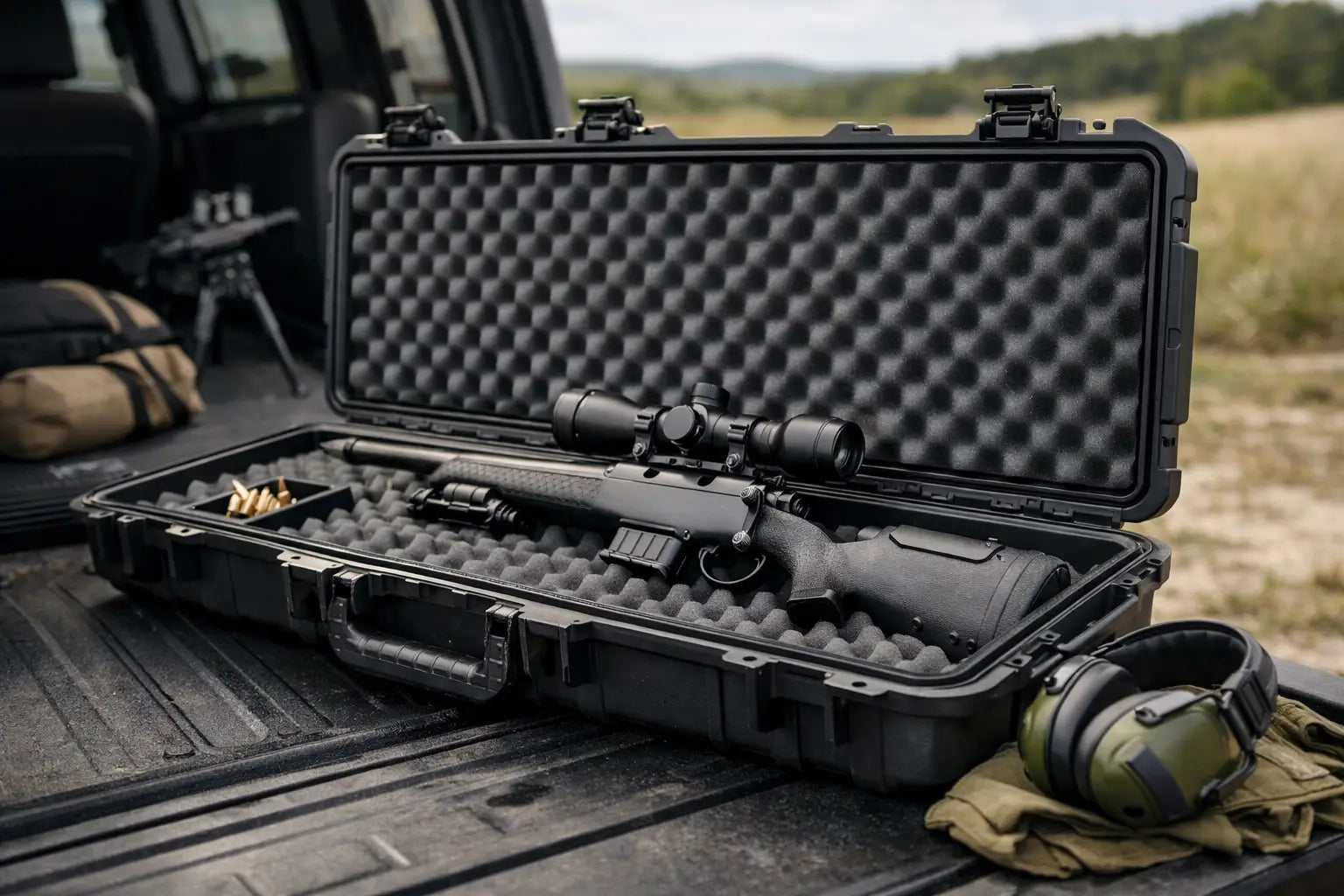
A rifle case usually gets attention after something goes wrong - a shifted zero, a cracked optic, a busted latch, or a case that looked fine online but fails the first time it gets dragged across a parking lot. If you are trying to find the best hard case for rifles, the real question is not which case looks toughest. It is which one protects your setup, fits your mission, and holds up to repeated use.
For law enforcement, security professionals, serious range users, and firearm owners who transport rifles regularly, a hard case is not just storage. It is protection for optics, lights, suppressor-ready setups, spare mags, and the rifle itself. The right case helps you move gear securely between the vehicle, the range, the armory, the airport, or the job site without creating new problems.
What makes the best hard case for rifles?
The best hard case for rifles starts with protection, but protection means more than a rigid shell. A case has to absorb impact, keep out dust and moisture, secure the firearm from unauthorized access, and stay functional after real handling. Cheap plastic can crack. Weak hinges fail. Poorly designed wheels turn a loaded case into dead weight.
That is why the best choice often depends on how the rifle is used. A patrol rifle with an optic and weapon light has different transport needs than a precision rifle with a longer barrel and bulkier accessories. A traveler checking gear for a flight needs stronger lock points and tighter sealing than someone moving from home to a local range. An agency buyer may prioritize consistency, stackability, and long-term durability across multiple units.
A good hard case should feel purpose-built, not oversized and not barely adequate. Extra room sounds helpful until the rifle shifts inside the foam. Tight fit sounds secure until mounted accessories press against the lid or force awkward positioning. Proper internal dimensions matter as much as exterior toughness.
Hard case vs. soft case
There is a reason experienced users keep both. A soft case is lighter, easier to store, and often better for quick local transport when the rifle is already under your control. A hard case is the better answer when the stakes are higher.
If the rifle carries quality glass, if the route involves rough handling, if you are traveling, or if the case may sit in the back of a truck with other equipment stacked on top, a hard case gives a level of protection a soft bag simply does not match. The trade-off is bulk and weight. That trade-off is usually worth it when the rifle setup costs far more than the case protecting it.
Key features that actually matter
A hard shell is the baseline. Material quality is what separates a case that survives repeated use from one that looks worn out after a season. Cases built from stronger polymer blends tend to resist cracking, flexing, and impact better than budget models. For users who work around heat, humidity, rain, and frequent transport, shell construction matters more than cosmetic finish.
Foam is another make-or-break detail. Pick-and-pluck foam is convenient because it allows custom layout without special tools, but it can break down over time, especially with repeated reconfiguration. Solid foam inserts or higher-density custom-cut interiors usually last longer and provide better support. If your rifle has a mounted optic, bipod, or muzzle device, the foam needs to support the setup without putting pressure on vulnerable points.
Lockability matters for both security and compliance. Reinforced padlock holes are better than thin molded loops that can stress or crack. If the case may ever be used for air travel, lock points should be sturdy enough to handle repeated opening, inspection, and transport.
Seal quality is easy to overlook until the case gets exposed to rain, dust, or humidity. A gasketed case helps protect the firearm and accessories from environmental exposure. For users in South Florida and other humid regions, that extra barrier is worth having, especially when cases move between air-conditioned interiors and hot, wet conditions.
Handles and wheels deserve more attention than they usually get. A long rifle case with loaded mags and accessories gets heavy fast. A comfortable handle and durable wheel setup make a big difference when moving through parking lots, hallways, terminals, or training venues. Weak wheels are one of the fastest ways for a case to become a hassle.
Sizing the case correctly
One of the most common mistakes is buying a case based only on barrel length. Overall rifle length is what counts, and mounted accessories change the equation. A collapsible stock may reduce storage length, but optics, offset mounts, lights, and muzzle devices still affect the interior layout.
For AR-platform rifles, many users can size down if the stock collapses and the loadout is compact. For bolt guns, designated marksman rifles, or rifles with larger optics, you need more interior length and often more depth. If you plan to carry extra magazines, tools, or a suppressor, account for that up front instead of trying to force everything into leftover foam space.
A little extra room is fine if the foam is cut to control movement. Too much open space is not. The rifle should sit securely without shifting during transport.
When premium cases are worth the money
Not every rifle needs the most expensive case on the shelf. If your use is occasional and local, a solid mid-range hard case may be all you need. But premium cases earn their price when transport is frequent, gear value is high, or conditions are rough.
Brands with a strong reputation in tactical and professional circles usually justify that reputation with better latches, better seals, better hardware, and more reliable construction under repeated stress. Pelican is a common example because the brand has a long track record with protective cases used by public safety professionals, military personnel, and serious civilian shooters. That does not mean every shooter needs top-tier pricing. It means that if your rifle, optic, and accessories represent a significant investment, the case should match that level of protection.
The cheaper option can cost more later if it fails after one hard drop or starts letting moisture in during storage and transport.
Travel, duty use, and range use are different jobs
A travel case needs to be tougher than a general range case. Airline handling is not gentle, and cases get stacked, tossed, and rolled over uneven surfaces. For that use, prioritize shell strength, lock points, gasket sealing, and wheel durability.
A duty transport case may place more emphasis on speed, consistent fit, and repeated daily use. If the rifle comes in and out of a vehicle or storage area often, latch reliability and practical carry features matter just as much as impact resistance.
A range-focused case can be a little more flexible. You may care more about organizing magazines, tools, and accessories in one container, or about choosing a footprint that fits easily in your vehicle. The best hard case for rifles in this context is often the one that protects the setup without becoming oversized or inconvenient.
Common buying mistakes
The first mistake is buying by price alone. Low-cost cases often look similar in photos, but hinge strength, foam quality, and latch performance tend to show the difference quickly in person.
The second mistake is underestimating accessory clearance. A rifle with a mounted optic, backup sights, light, sling hardware, or muzzle brake may not sit properly in a case sized for a bare rifle.
The third mistake is ignoring weight. A larger hard case offers more room, but once loaded, it may be awkward to carry or store. If you move gear alone, that matters.
The last mistake is treating all hard cases as equally secure. Some are built for basic storage. Others are built for repeated transport in demanding conditions. The label says hard case on both, but the performance gap can be significant.
How to choose with confidence
Start with your actual use case, not the marketing language on the box. Measure the rifle as configured. Decide whether the case will be used mostly for local transport, vehicle storage, duty movement, or travel. Think about whether you need room for magazines and accessories inside the same case or whether a dedicated rifle fit is the better option.
Then look closely at construction details. Check shell material, latch design, hinge strength, foam type, seal quality, and wheel layout. If the rifle wears quality glass or mission-critical accessories, do not treat the case as an afterthought. Protection should match the value of the equipment inside.
For buyers who want dependable options from trusted tactical brands, working with a specialized outfitter matters. AE Tactical serves public safety professionals and prepared civilian users who need gear that performs in the real world, not just on a product page.
The right rifle case should make transport one less thing to worry about. When the shell is strong, the fit is right, and the case matches how you actually move your gear, you spend less time compensating for bad equipment and more time staying ready.