Cart
0





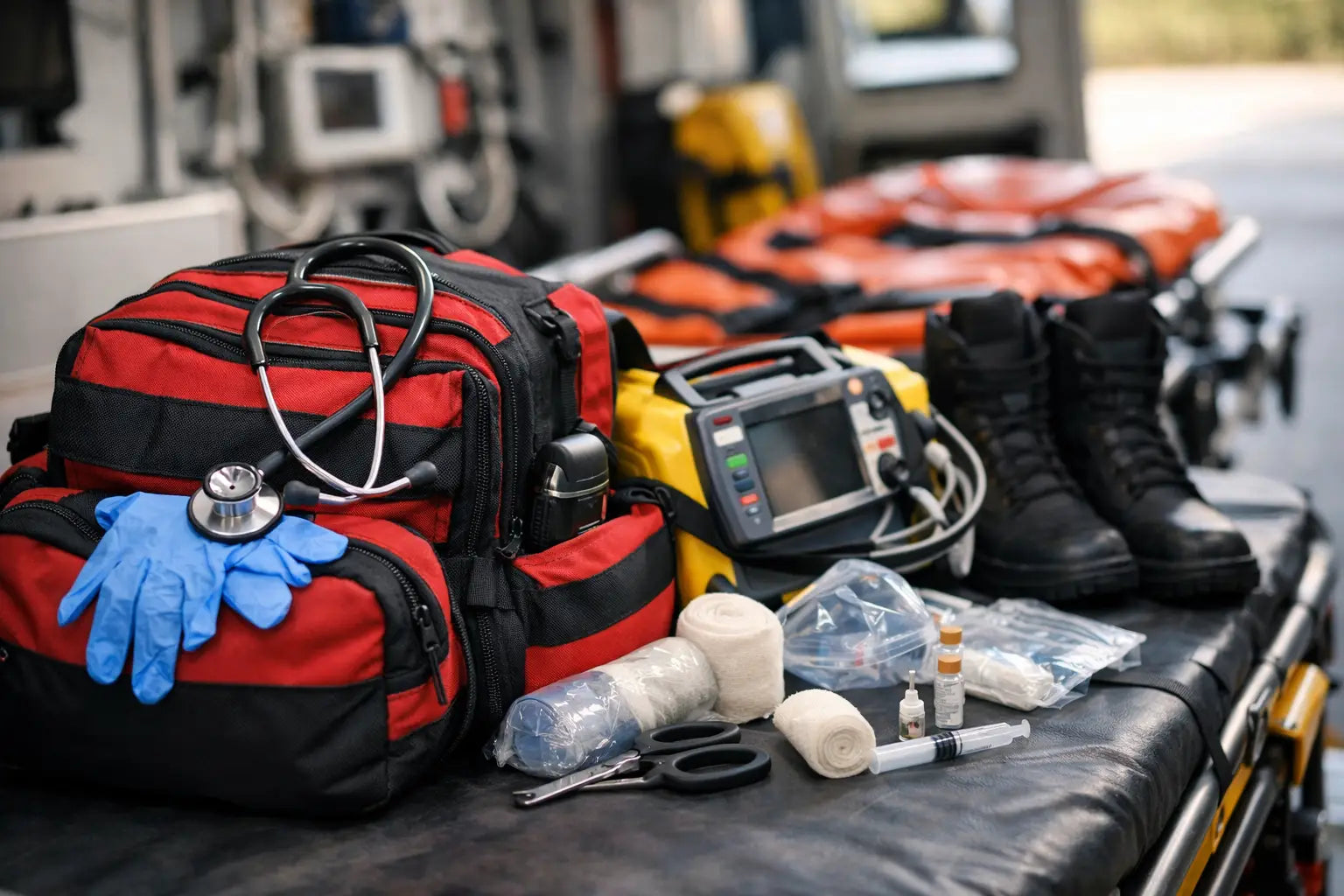
A missing penlight is annoying. A missing tourniquet, extra gloves, or charged flashlight can turn a routine call into a problem fast. That is why an ems gear checklist for responders should be more than a packing list. It should be a working system that helps you start shift ready, stay organized under pressure, and avoid carrying gear that adds weight without adding value.
For most EMS professionals, the right setup depends on assignment, agency protocol, and call volume. A 911 truck, interfacility transport unit, fire-based EMS crew, and event medical team do not carry the exact same loadout. Still, the goal stays the same - keep essential tools accessible, protect yourself, and make patient care smoother when seconds matter.
What a good EMS gear checklist for responders should do
A solid checklist is not about stuffing every pocket. It is about deciding what must stay on your person, what belongs in a jump bag, and what should remain on the truck. When responders ignore that difference, they usually end up with overloaded pants, duplicate tools, and gear buried where it cannot be reached quickly.
Your checklist should also reflect reality, not wishful thinking. If you have carried a tool for six months and never touched it, ask why it is there. If you borrow the same item from your partner every shift, that belongs on your list. The best loadouts are built around actual field use, not gear trends.
Start with on-person essentials
On-person gear should cover immediate access items you may need before you get back to the unit or before the rest of the bag is opened. These are the tools that support scene safety, fast assessments, and basic patient contact.
Most responders will want dependable gloves, a trauma shear, a penlight, a watch with a second hand or timer function, and a compact flashlight. A notepad and reliable pens still matter, even with electronic charting, because details often need to be captured before documentation catches up. A radio strap or secure radio carry setup also belongs in this conversation if your agency does not issue one that works well in the field.
There is some personal preference here. Some medics want a multitool every shift. Others would rather save the space and keep one in the main bag. The trade-off is speed versus bulk. If you carry it on your belt or in your pocket, it needs to earn that space.
PPE is not optional gear
Personal protective equipment should never be treated like an afterthought. Gloves are the minimum, but eye protection, an N95 or similar mask when indicated, and weather-specific outerwear deserve a place in your routine. If you work in rain-heavy or heat-heavy environments, comfort becomes a performance issue. Gear that keeps you functional on scene is operational gear.
Keep in mind that PPE needs regular replacement checks. Torn gloves, scratched eyewear, or a mask crushed in the bottom of a pocket are as bad as not having them at all.
Build your bag around patient care priorities
If your agency assigns bags and standardized medical inventory, your personal checklist still matters. You need to know what is stocked, what tends to run low, and what should be checked at the start of every shift. A responder who assumes the bag is complete without verifying it is setting up the crew for avoidable delays.
For most EMS teams, patient care priorities start with airway, bleeding control, circulation, and monitoring. That means confirming the basics are where they belong and ready to use. Airway adjuncts, suction access, trauma supplies, dressings, BP cuff, stethoscope, pulse oximetry, and other standard assessment tools should be checked with the same discipline every shift.
A personal stethoscope is one of the few crossover items that many responders carry regardless of unit stock. If you use your own, choose one you can trust in loud scenes and moving ambulances. Cheap gear often costs more in missed sounds, repeated vitals, and frustration.
Trauma tools need fast access
Not every shift is heavy trauma, but trauma gear cannot be buried. Tourniquets, hemostatic supplies when approved by protocol, compression dressings, and trauma shears should be staged where hands can reach them quickly. This is one area where organization matters as much as the equipment itself.
If you work mixed calls, avoid the mistake of loading every trauma item into one packed pocket. Under stress, simple layouts win. Labeling, color coding, or consistent pouch placement can save time when the scene is noisy and your attention is split.
Communication, lighting, and power get overlooked
Responders usually notice medical supply shortages first. What gets missed more often is the support gear that keeps everything else working. A dead flashlight on a night call, low radio battery during a chaotic scene, or uncharged device used for charting creates real operational problems.
That is why your EMS gear checklist for responders should include battery checks, charging cables, spare power sources if authorized, and a quick function check of your light. If your uniform setup supports it, a compact backup light is worth considering. Primary tools fail at the worst time.
The same goes for communication accessories. Earpieces, radio clips, and microphone attachments are not glamorous, but they affect how well you can hear, move, and coordinate. If a piece of comms gear constantly snags, breaks, or drops signal quality, it is not a minor annoyance. It is a field issue.
Clothing and carry matter more than people admit
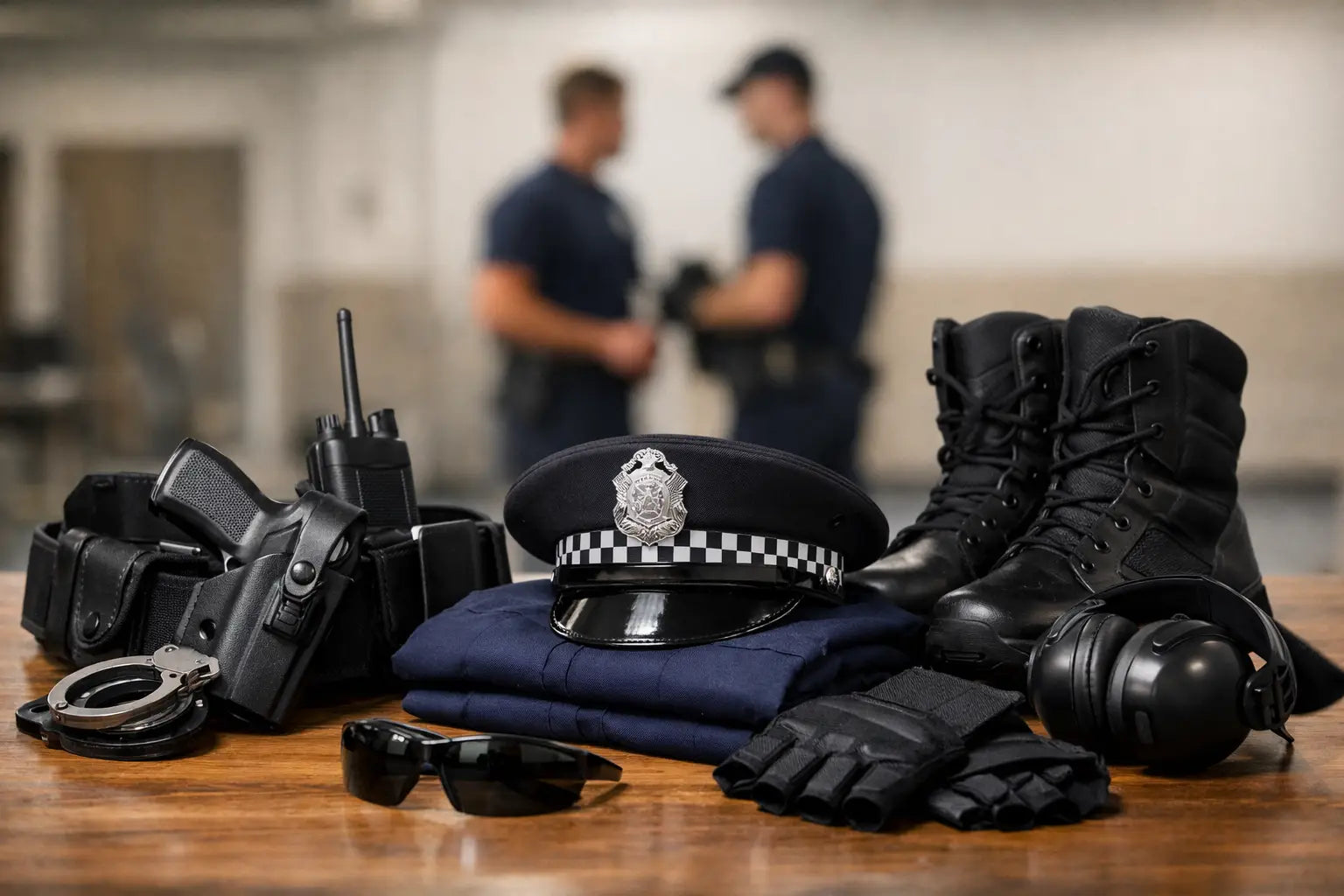
A good uniform setup supports movement, weather exposure, and long hours without becoming a distraction. Boots need to handle wet pavement, stairwells, roadside scenes, and repeated vehicle entry and exit. Pants and outerwear should hold up to kneeling, lifting, and constant wear without restricting mobility.
This is where cheap gear often shows its limits. Responders do not need fashion. They need fit, durability, and practical pocket layout. If your pants cannot hold what you actually carry, or your boots leave you smoked halfway through shift, the rest of your setup suffers.
Seasonal changes matter too. South Florida heat places very different demands on EMS clothing than a cold-weather system up north. Moisture management, breathable fabrics, and lightweight but durable construction can make a real difference on long scenes and back-to-back calls.
The checklist should match your role
A new EMT working basic transport, a field training officer, and a paramedic on a busy ALS unit should not copy the exact same loadout. Scope of practice, vehicle setup, and agency issue all affect what belongs on your checklist.
If you are newer to the job, start lean. Carry the essentials consistently, learn what you actually use, and build from there. New responders often overpack because they do not yet know the difference between useful redundancy and dead weight.
If you are responsible for team readiness, your checklist should go beyond personal gear. You need to think in terms of repeatable shift checks, replacement timelines, and standardization. Agency buyers and supervisors know that consistency across crews reduces missed items and makes restocking easier.
Common checklist mistakes
The biggest mistake is treating the list as static. Gear changes. Assignments change. Protocols change. Your checklist should be reviewed often enough to reflect the work you are really doing.
Another common miss is ignoring comfort and access. Responders sometimes buy durable equipment but set it up poorly. A quality pouch in the wrong place is still a problem. So is carrying duplicate tools because no one wants to remove something from the setup.
Finally, do not confuse more gear with better readiness. A clean, proven loadout beats a bulky one every time. The job already adds enough friction. Your equipment should remove it.
How to keep your EMS gear checklist working
The best system is simple enough to repeat when you are tired, rushed, or coming onto a busy truck. Do a full check at the start of shift, a quick reset after major calls, and a weekly review for wear, battery status, and missing items. If something gets used, replace it before it becomes tomorrow's problem.
It also helps to buy gear from sources that understand public safety use, not general outdoor use. There is a difference between equipment that looks capable and equipment built for duty cycles, uniform standards, and real field conditions. That is why many responders stick with specialized outfitting partners like AE Tactical when they need dependable options without wasting time sorting through gear that was never meant for the job.
A good checklist will not make the call easier, but it does remove avoidable mistakes before the tones drop. That is the kind of readiness responders can count on.