Cart
0





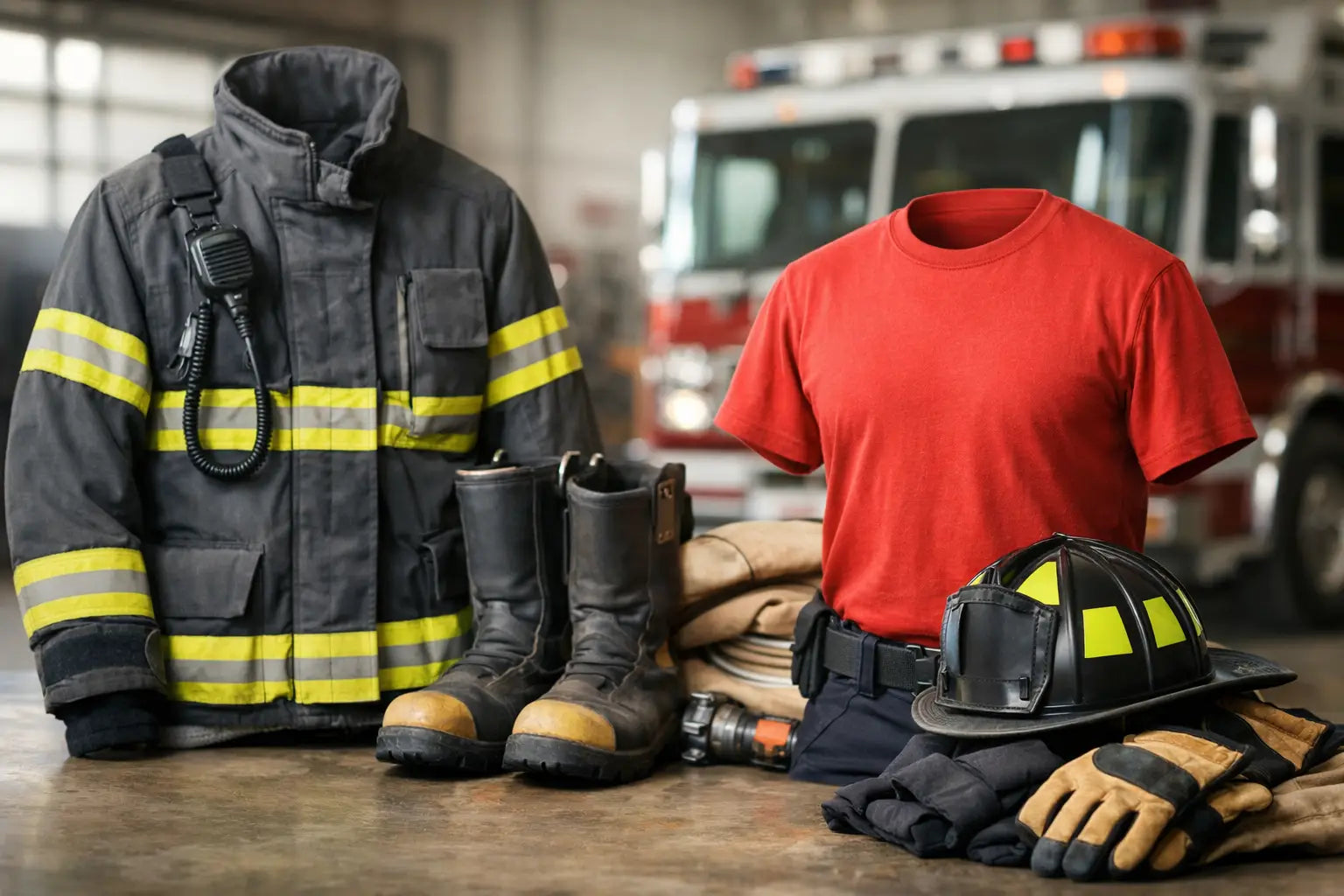
A long shift will expose every weak point in your uniform. If your shirt binds when you lift, your pants wear out at the knees, or your outer layer traps heat when you are moving fast, that problem shows up before the day is over. That is why fire rescue duty apparel is not just about looking squared away. It has to support movement, hold up to repeated wear, and stay comfortable across station work, medical calls, transport, and scene response.
For fire and EMS professionals, apparel decisions usually come down to the same few questions. Will it last? Will it stay professional after repeated washing? Will it work in hot weather, wet conditions, and long hours? And just as important, will it match department standards without creating extra hassle for the person wearing it?
What fire rescue duty apparel needs to do
The job is not one environment. A single shift can mean station duties, patient care, lifting, driving, kneeling on pavement, working in rain, and spending hours in high heat and humidity. Good fire rescue duty apparel has to cover all of that without becoming a distraction.
That starts with mobility. Fire and EMS personnel do not need stiff garments that look clean on a hanger but fight every movement on the job. Shirts should allow reach and range of motion through the shoulders. Pants should move easily through the hips and knees, especially when climbing in and out of apparatus or kneeling beside a patient. Stretch panels and articulated construction can help, but only if the garment still keeps a clean, duty-ready profile.
Durability is the next test. Daily duty wear takes abuse from concrete, equipment edges, frequent laundering, and constant repetition. Reinforced stress points, quality stitching, dependable closures, and fabric that does not thin out after a few months all matter. A lower price can look good up front, but if a uniform has to be replaced early, it stops being a value.
Comfort matters just as much, especially for departments operating in warm climates. Breathable fabrics, moisture management, and smart venting can make a real difference over a twelve or twenty-four hour shift. Heavy material is not always better. Sometimes a lighter fabric with the right construction performs better because it reduces heat buildup and fatigue.
Station wear versus field demands
One of the biggest mistakes in buying fire rescue duty apparel is treating every piece as if it serves the same purpose. It does not. Station shirts, duty pants, job shirts, polos, base layers, and outerwear all handle different parts of the workday.
A station uniform has to balance appearance with practical wear. That usually means a professional cut, consistent color retention, and enough structure to maintain a clean look after repeated laundering. But if the garment is too rigid, it becomes uncomfortable fast. For many crews, the best station wear sits in the middle - durable enough for daily use, flexible enough for active response.
Field demands shift the priorities. If you are working medical scenes, traffic incidents, or support operations outside the station, abrasion resistance and weather protection start to matter more. Outer layers need to add coverage without bulk. Softshells and lightweight jackets can be useful because they provide wind and light weather protection while still allowing movement. The trade-off is that not every outer layer handles heavy rain or colder conditions equally well, so the right choice depends on where and how it will actually be worn.
The fabrics and features that earn their place
Fabric choice has a direct effect on performance. Cotton can feel familiar, but it tends to hold moisture and dry slowly. That can be a problem on active calls or in humid climates. Polyester blends and performance fabrics often do a better job managing sweat, keeping shape, and standing up to repeated washing.
Ripstop fabrics are popular for a reason. They help resist tearing and generally hold up well in high-wear areas. Mechanical stretch or blended stretch fabrics can improve comfort without making the uniform look too casual. The best option depends on department policy and on how demanding the shift tends to be.
Pockets and layout deserve more attention than they usually get. Storage is useful, but overbuilt cargo designs can create bulk and interfere with movement. A better approach is purpose-driven pocket placement - enough room for gloves, small tools, pens, notepads, and essentials, without turning the uniform into clutter. Clean organization tends to work better than maximum capacity.
Closures also matter. Reliable zippers, secure buttons, and reinforced belt loops are easy to overlook until they fail. The same goes for kneepad compatibility, fade resistance, and wrinkle resistance. None of those features sound exciting in a product description, but on duty they affect how the apparel performs and how often it needs attention.
How fit affects performance on shift
Fit is not a style question. It is a job performance question. Apparel that is too loose can snag, shift, or feel heavy. Apparel that is too tight restricts movement, pulls at seams, and becomes uncomfortable after a few hours.
The best fit gives enough room for active movement while still looking professional. That usually means checking shoulder mobility in shirts, rise and seat room in pants, and how the garment handles bending, lifting, and seated time in a vehicle. If a pant fits while standing still but binds when stepping up into apparatus, it is not the right fit.
Layering should also be part of the sizing decision. A quarter-zip, job shirt, or outer shell may need to fit over a duty uniform without becoming bulky. That is one reason brand-to-brand differences matter. Sizing is not always consistent, and public safety professionals are usually better served by checking actual measurements and intended use instead of assuming every medium or large fits the same.
Compliance, consistency, and agency buying
For individual buyers, personal preference matters. For departments and procurement teams, consistency matters just as much. Fire rescue duty apparel often has to meet department standards for color, cut, branding, and overall appearance. Buying outside those standards creates avoidable problems, especially when replacement cycles and mixed uniform issue come into play.
That is why category depth matters when sourcing apparel. A supplier that understands public safety purchasing can help match product choices to duty use, department guidelines, and replacement needs. That is especially useful for agencies managing multiple apparel types across shifts, ranks, or seasonal demands.
There is also a practical value in buying from an Authorized Dealer that works with duty-focused brands. Product access is better, sizing support is clearer, and the buyer is less likely to end up with apparel that looks right online but misses the mark in real use. For agencies and working professionals alike, that reduces guesswork.
Why price alone is the wrong filter
Budget always matters, whether you are buying one set of uniforms or outfitting a full team. But with duty apparel, the cheapest option is rarely the best value. Replacement frequency, comfort on shift, appearance after laundering, and overall service life all affect the real cost.
A shirt that keeps its color, fits correctly, and lasts through repeated wash cycles usually pays for itself better than a cheaper one that fades, shrinks, or loses structure. The same applies to pants that hold up at the knees and seat instead of wearing thin early.
There is a middle ground here. The goal is not to overbuy features you do not need. It is to choose apparel that matches the actual job. If the role involves constant movement, warm-weather exposure, and regular laundering, performance fabric and reinforced construction are worth prioritizing. If the need is primarily station presentation with moderate wear, a simpler option may be enough.
Building a duty-ready apparel setup
Most professionals do better when they think in systems instead of individual items. A reliable setup usually includes daily duty shirts, durable pants, a dependable belt-compatible fit, and an outer layer that can handle weather changes without getting in the way. Add in the reality of long shifts and laundry cycles, and backup uniform pieces become part of readiness, not convenience.
That is where a specialized outfitter can make the process easier. AE Tactical serves fire, EMS, law enforcement, and other public safety professionals with duty-focused gear built around real operational use. For buyers who need apparel that is ready for shift work, quick fulfillment and category knowledge are not extras. They are part of the buying decision.
The right uniform should disappear into the background once the shift starts. If your fire rescue duty apparel lets you move freely, keeps a professional appearance, and holds up call after call, it is doing its job so you can do yours.