Cart
0





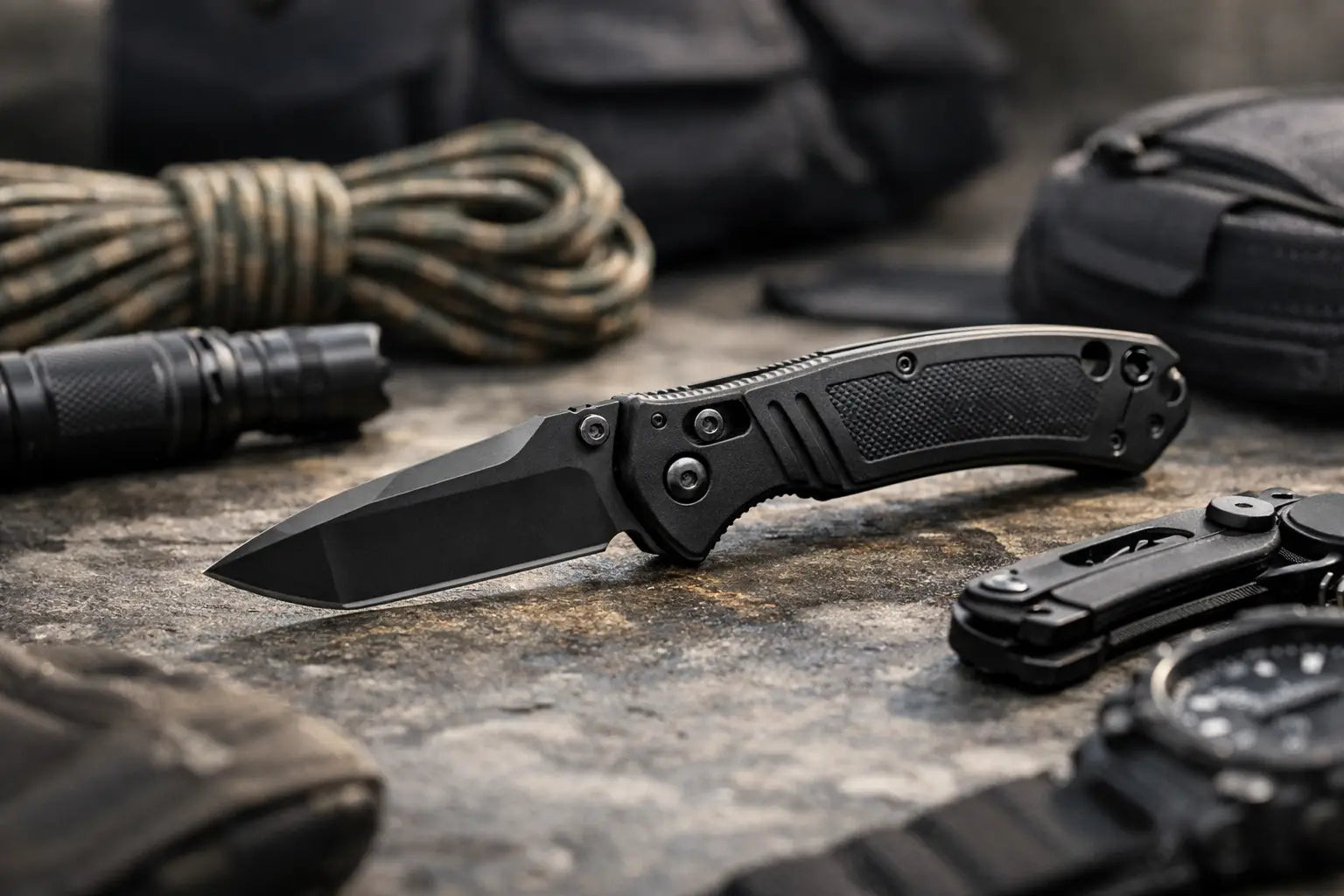
Pocket space gets tight fast when you already carry a phone, light, keys, badge wallet, gloves, or a spare mag. That is why choosing the best tactical knife for EDC is less about hype and more about what actually rides well, deploys cleanly, and holds up through daily work. For law enforcement, security, EMS, and prepared civilians, the right knife needs to balance speed, control, comfort, and durability without turning your pocket into dead weight.
What the best tactical knife for EDC really means
A tactical knife for everyday carry is not automatically the biggest folder with the most aggressive styling. In real use, that kind of knife often prints badly, snags on gear, and spends more time getting adjusted than used. The best option is usually a compact to mid-size folder that opens reliably, locks securely, and gives you enough edge for utility cuts without becoming cumbersome.
That distinction matters because EDC and duty use overlap, but they are not identical. A patrol officer may want a stronger lock and glove-friendly opening method than an office-based user. An EMS professional may care more about grip security, corrosion resistance, and easy maintenance. A security officer working long shifts may prioritize slim carry and low profile over oversized blade stock.
The right answer depends on where and how you work. A knife that feels excellent at the counter can become annoying after ten hours on the belt line or in a front pocket.
Blade length and profile come first
For most users, the sweet spot for the best tactical knife for EDC falls around a 3 to 3.75 inch blade. That range gives you enough cutting edge for boxes, cord, zip ties, tape, light food prep, and general field tasks while staying easier to carry and easier to control. Go much smaller and you may lose useful grip length. Go much larger and pocket carry starts to suffer.
Blade shape also changes how the knife performs. A drop point is usually the safest all-around pick because it handles utility work well and offers a controllable tip. Tanto blades bring a stronger tip and a more aggressive look, which some users prefer for harder-use tasks, but they are not always as convenient for everyday slicing. Spear point and modified clip point profiles can work well too, especially when you want a sharper tip for detail work.
If your knife will mostly open packaging, cut cordage, trim loose material, and handle general daily chores, favor slicing efficiency over pure thickness. Heavy blade stock looks tough, but thicker blades can bind in common materials and feel less precise.
Steel matters, but not in the way many buyers think
A lot of buyers chase steel names before they sort out carry comfort or ergonomics. That is backward. A premium steel on a knife you leave at home is less useful than a practical steel on a knife you carry every day.
That said, blade steel still matters. For EDC, you want a good balance of edge retention, corrosion resistance, and ease of sharpening. Stainless steels are usually the most practical choice for users dealing with sweat, humidity, rain, and coastal environments. That is especially relevant in South Florida, where corrosion can show up faster than many people expect.
If you cut abrasive materials often, stronger edge retention helps. If you sharpen your own blades regularly, a more forgiving steel can make ownership easier. There is always a trade-off. Harder steels may stay sharp longer but can take more time to maintain. Tougher, easier-to-sharpen steels may need touch-ups sooner but are often better suited to real working carry.
Lock strength and opening speed are not optional
A tactical folder has to inspire confidence when you deploy it. That starts with the lock. Frame locks, liner locks, crossbar-style locks, and back locks can all work if they are well executed. What matters most is consistency, solid lockup, and safe disengagement.
For duty-minded users, one-handed operation is a major factor. Thumb studs, thumb holes, flippers, and assisted opening mechanisms all have their place. The best system is the one you can operate under stress, with wet hands, or while wearing gloves. Fast deployment is useful, but control is more important than pure speed. A knife that opens quickly yet feels awkward in hand is not a good tool.
This is one area where brand quality and authorized dealer support matter. Tolerances, pivot tuning, and lock geometry separate a dependable folder from one that just looks good in product photos.
Handle design decides whether you will actually carry it
A knife can have excellent steel and a strong lock, then still fail because the handle is uncomfortable or the clip creates a hotspot in your palm. For EDC, handle shape is one of the biggest deciding factors.
Look for enough texture to stay secure without shredding your pocket. Deep finger grooves can feel locked in for some users, but they also limit hand placement and may not fit every grip size. More neutral handle shapes often work better across a wider range of tasks.
Material matters too. G10 remains a strong choice because it offers grip, durability, and weather resistance. Aluminum handles can keep weight down and look clean, though texture becomes important. Polymer-based handles can perform well on lighter-weight knives, especially when cost and corrosion resistance are priorities.
If you carry in uniform pants, jeans, or cargo pockets, clip tension and placement also deserve attention. A deep-carry clip can keep the knife discreet, while a more exposed carry may be easier to grab quickly. Again, it depends on your role and preference.
Weight and carry profile affect daily readiness
A knife can be duty-capable without feeling like an anchor. In fact, one of the most common mistakes buyers make is choosing a knife based on worst-case thinking instead of daily reality. If the knife is too heavy, too wide, or too aggressive in the pocket, it often gets left in a bag, vehicle, or locker.
For most EDC setups, moderate weight wins. You want enough structure to feel solid, but not so much mass that the knife drags on lighter pants or crowds other pocket gear. Slim folders with smart handle contouring often outperform bulkier designs simply because they carry better over long shifts.
This becomes even more important for professionals already managing radios, restraints, gloves, lights, and medical gear. Every item should earn its place.
Serrated or plain edge?
For most users, a plain edge is the better EDC choice. It is easier to sharpen, cleaner through common cutting tasks, and more versatile across day-to-day use. If your work regularly involves rope, webbing, or fibrous materials, a partially serrated edge can make sense.
The trade-off is control and maintenance. Serrations can tear through some materials effectively, but they are less convenient for fine cuts and harder to sharpen properly. Unless your work clearly benefits from them, a plain edge is usually the safer recommendation.
Tactical style versus practical use
Some knives are marketed as tactical when the only tactical thing about them is the color and marketing copy. A true EDC-ready tactical knife should have practical design choices: secure grip, reliable deployment, strong lockup, corrosion resistance, and hardware that holds up under regular carry.
Glass breakers, oversized jimping, and highly stylized blade shapes may appeal to some buyers, but they can also add bulk or reduce comfort. That does not mean those features are always bad. It means they should serve a real purpose. If a feature makes carry worse without improving your actual use, it is probably not helping.
That is why many experienced users end up favoring simpler, well-built knives from trusted makers over flashier options. In a category crowded with marketing, practical design usually wins.
How to choose the best tactical knife for EDC for your role
If you work patrol or security, prioritize one-handed access, solid lock strength, and a handle that stays secure under stress. If you are in fire or EMS, lean harder into corrosion resistance, glove-friendly operation, and easy cleaning. If you want a general-use everyday folder, focus on slim carry, comfortable ergonomics, and a blade shape that handles utility work well.
Budget matters too. Higher price does not always equal better fit. Many mid-range knives offer the best balance of materials, reliability, and daily usability. The goal is not to buy the most expensive model. It is to buy the knife you will trust and carry consistently.
A specialized outfitter like AE Tactical can help narrow that decision because the product mix is built around real field use, not just generic outdoor retail trends. That matters when you need gear that performs on shift, at the range, or through daily carry without guesswork.
The best knife is the one that feels natural the moment it clips into your pocket, opens without drama, and gets the job done every time you reach for it. Choose for the work you actually do, and you will end up with a tool that stays in rotation for years.