Cart
0





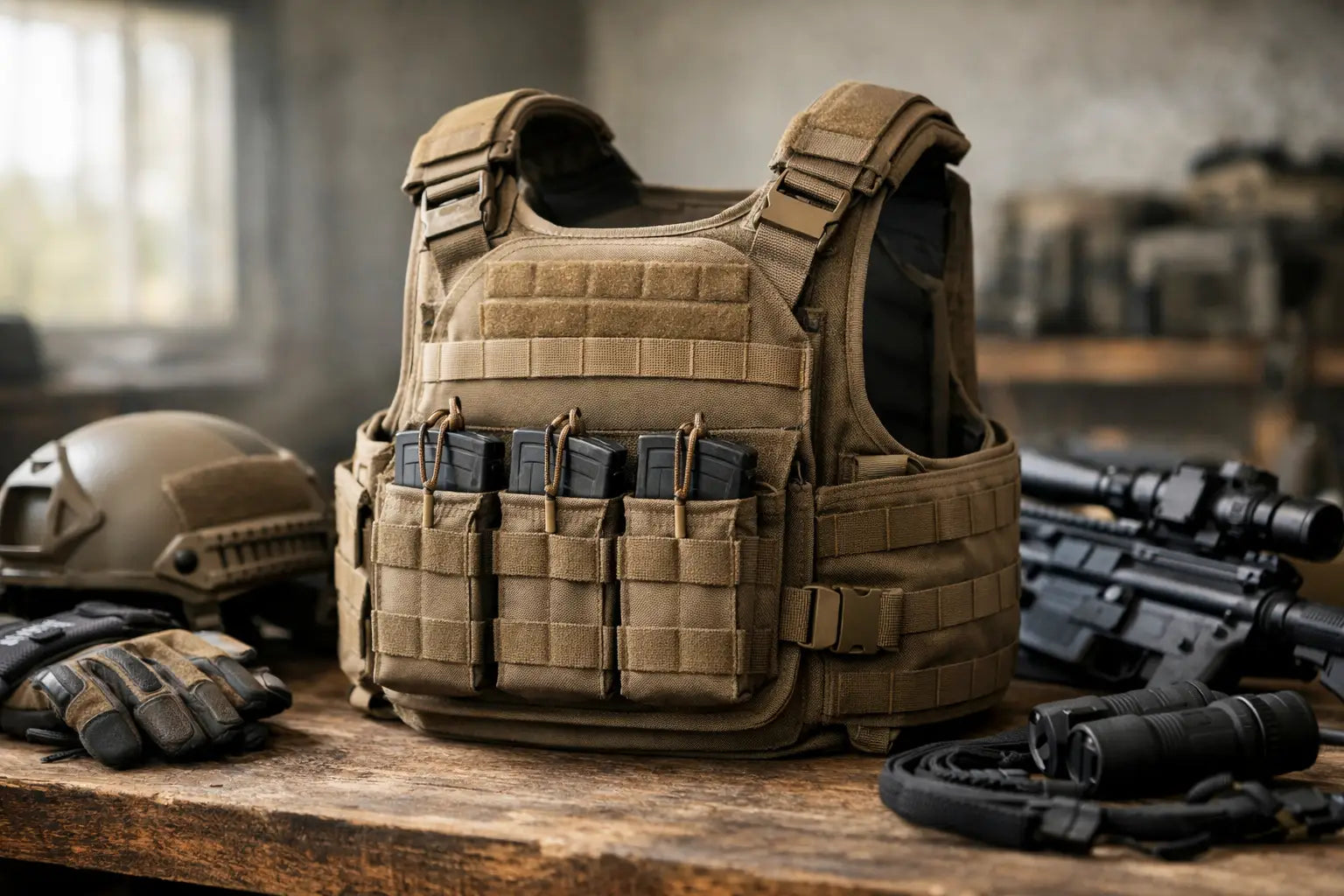
A plate carrier can look great on a product page and still become a problem halfway through a long shift, range day, or training block. That is where a real condor plate carrier review matters. For officers, security teams, prepared civilians, and range users, the question is not just whether Condor makes usable gear. It is whether the carrier fits the mission, the budget, and the amount of wear it will actually see.
Condor has built its reputation on accessible tactical gear that gives buyers a lot of function for the price. That matters because not every user needs a premium carrier built for constant hard use in high-threat environments. At the same time, not every budget-friendly carrier is worth buying. The difference is in the details - fit, stitching, layout, comfort under load, and how well the platform holds up when it stops being a closet item and starts seeing regular use.
Condor plate carrier review: who it makes sense for
Condor plate carriers usually make the most sense for buyers who want practical capability without paying premium-brand pricing. That includes private security professionals, training-focused users, patrol officers building out a secondary setup, and civilian buyers who want a carrier for classes, range use, preparedness, or fitness work.
If you are outfitting a team for daily operational use with heavy armor, radios, medical, and sustained field wear, the answer gets more nuanced. Condor carriers can absolutely cover a lot of ground, but they are not always the first choice for agencies or users who need the lightest possible profile, the most advanced materials, or the highest-end long-term load management. In plain terms, Condor often gives you solid value, but value and top-tier performance are not always the same thing.
Build quality and materials
The first thing most buyers want to know is whether Condor plate carriers are durable enough to trust. In general, the construction is respectable for the price point. The fabric feels substantial, webbing is typically well placed, and the carriers do not come across as disposable gear. Stitching is usually good where it matters most, especially on major load-bearing areas like shoulder straps and cummerbund attachment points.
That said, this is also where price differences show up. On a premium carrier, you may see tighter finishing, lower overall weight, more refined stitching consistency, and upgraded laminate or laser-cut materials. Condor tends to favor tried-and-true construction over cutting-edge weight savings. For many buyers, that is not a drawback. Heavier materials can actually feel reassuring, especially if the carrier will be used in a patrol bag, vehicle kit, or training setup rather than on extended movements.
What you are buying here is functional durability, not boutique engineering. If that matches your expectations, Condor usually lands in a good spot.
Fit, adjustment, and comfort under load
Fit is where a plate carrier earns its keep. A carrier that shifts, rubs, or rides poorly becomes distracting fast. Most Condor carriers provide enough adjustment to fit a broad range of body types, and that wide fit range is one reason they remain popular. Shoulder straps and cummerbund systems are generally straightforward to set up, which helps users who are newer to armor platforms.
Comfort depends heavily on how much weight you plan to carry. With plates only, or a relatively clean setup with a few pouches, many users will find Condor carriers comfortable enough for range days, short-duration assignments, and vehicle-based use. Once you start loading on rifle magazines, IFAK, radio, admin tools, and hydration, the limits become easier to spot.
The padding and support are acceptable, but not exceptional. Users carrying heavier loads for longer periods may notice shoulder fatigue sooner than they would with a higher-end carrier designed specifically around weight distribution and extended wear. That does not make Condor a bad option. It just means the carrier should match the actual job. A lighter-use or moderate-load role is very different from sustained field movement in full kit.
Plate compatibility and sizing
A good carrier has to work with the plates you actually intend to run. Condor generally does well here, especially for standard sizing. Most of its popular models are designed around common plate dimensions and can accommodate the setups many users are already buying.
The key is to check the exact carrier model and verify plate dimensions before you buy. This matters with any brand, but especially with value-focused carriers where sizing flexibility may be less forgiving than on premium systems with more modular adjustment. A poor fit between plate and carrier affects comfort, ride height, and how securely the armor stays in place.
For newer buyers, this is one area where getting guidance from a specialized tactical retailer helps. Matching carrier size, plate profile, and intended loadout is more important than buying the most expensive option on the page.
Load-bearing layout and modularity
One of Condor's strongest selling points is usable modularity. Most of its carriers give you enough PALS webbing or integrated attachment real estate to build a practical working setup. That is important for users who need to mount mags, med gear, radios, ID panels, or utility pouches without being locked into a single fixed layout.
Condor tends to build for broad usability rather than extreme minimalism. That approach works well for many public safety and civilian customers because it leaves room to adapt the carrier to different roles. A range setup can become a training setup. A basic armor platform can be turned into an active response or emergency-use rig with the right pouch placement.
The trade-off is bulk. Some Condor carriers feel larger and less streamlined than more modern low-profile designs. If your priority is a slick setup under outerwear or maximum mobility in confined spaces, some models may feel more substantial than ideal. If your priority is a configurable platform with practical attachment options, Condor usually performs well.
Real-world use: training, patrol backup, and preparedness
This is where a condor plate carrier review becomes more useful than a spec sheet. In real-world terms, Condor carriers are often best understood as honest working gear. They are popular because they let users get armor-capable without overspending, and for many missions that is exactly the right call.
For training use, they make a lot of sense. You can build a realistic loadout, run drills, attend classes, and put time into repetitions without feeling like you overbought. For patrol officers or security professionals who want a backup or secondary armor platform, Condor can be a practical solution if the loadout is kept sensible and the use case is defined clearly.
For preparedness-minded buyers, the appeal is also obvious. A carrier that is affordable, functional, and adaptable covers a lot of ground. The caution here is simple: preparedness should still include proper fit, quality plates, and enough testing to know how your setup moves and feels before you actually need it.
Where Condor falls short
A balanced review should be honest about limitations. Condor plate carriers are not usually the lightest option in their class. They are also not the most refined when it comes to advanced ergonomics, low-profile concealability, or high-end material innovation. If you compare them directly against premium carriers built for continuous professional use in demanding conditions, the difference is noticeable.
You may also find that some users outgrow them. That is common with gear purchases. A buyer starts with a general-purpose carrier, trains more, narrows the mission set, and later moves into a more specialized platform. That does not mean the original purchase was a mistake. It means the user gained enough experience to justify spending more for a specific advantage.
In that sense, Condor works well as long as expectations are realistic. It is not trying to be the most elite option on the market. It is trying to offer dependable function at a price many buyers can justify.
Final verdict on this Condor plate carrier review
If your priority is practical performance, broad compatibility, and solid value, Condor plate carriers deserve a serious look. They are not the answer for every mission profile, and they are not the strongest pick for every heavy-use professional application. But for moderate-duty use, training, secondary setups, and budget-conscious buyers who still want a credible platform, they hold their place for a reason.
The best way to think about Condor is simple: buy it for the role it was built to fill. If you need a dependable carrier that lets you get equipped without overspending, it can be a smart purchase. If your workload, threat profile, or duty cycle is higher, spending more for lighter weight and better long-term comfort may be the better move. Good gear decisions are rarely about hype. They are about matching the equipment to the job, then making sure it performs when it counts.