Cart
0





Shift starts before the first door opens. If your radio battery is weak, your gloves are buried in a cargo pocket, or your keys are fighting for space with everything else on your belt, you feel it immediately. A solid corrections duty gear checklist is not about carrying more gear. It is about carrying the right gear, in the right place, for the real pace and pressure of the job.
Corrections work puts different demands on equipment than patrol, security, or range use. You spend long hours on your feet, move through tight spaces, work around controlled access points, and need gear that stays secure during constant movement. You also have to think about facility policy, uniform standards, and inmate contact. That means your setup needs to be practical first, not overloaded with extras that look good in a product photo but get in the way on shift.
What a corrections duty gear checklist should do
A useful corrections duty gear checklist should help you make better decisions before you buy and before you clock in. It should keep your essentials easy to reach, reduce bulk, and support consistency from one shift to the next. If you work in booking, transport, housing, medical watch, or specialized response, your loadout may change, but the goal stays the same - reliable access, secure retention, and all-day wearability.
The biggest mistake is building a belt around assumptions from other fields. Patrol officers may prioritize different tools and different placement. Corrections officers often need a setup that handles repeated movement through doors, seated time, close-quarters contact, and strict institutional rules. That is why the best checklist is not the longest one. It is the one that fits your assignment and your facility.
Core corrections duty gear checklist items
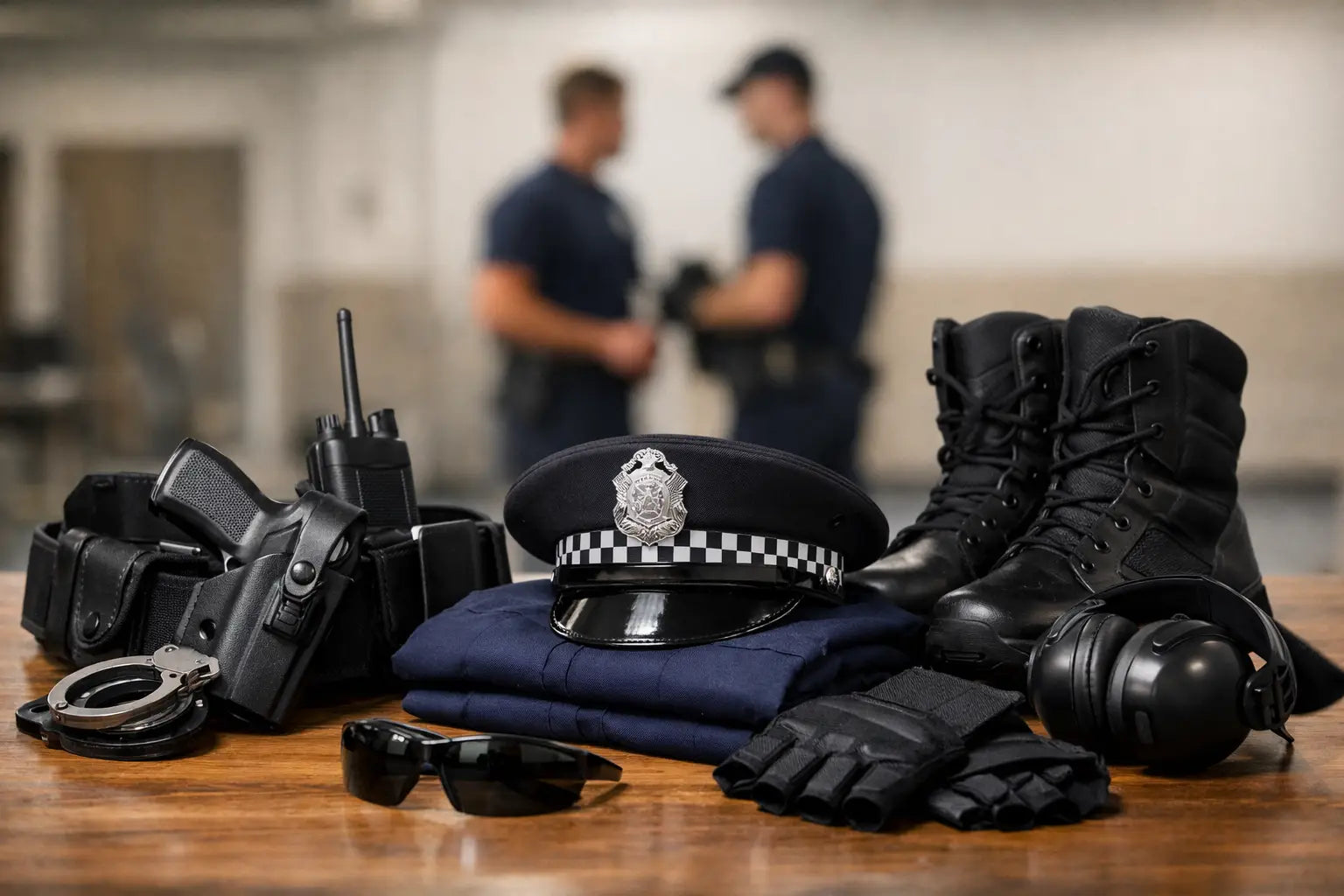
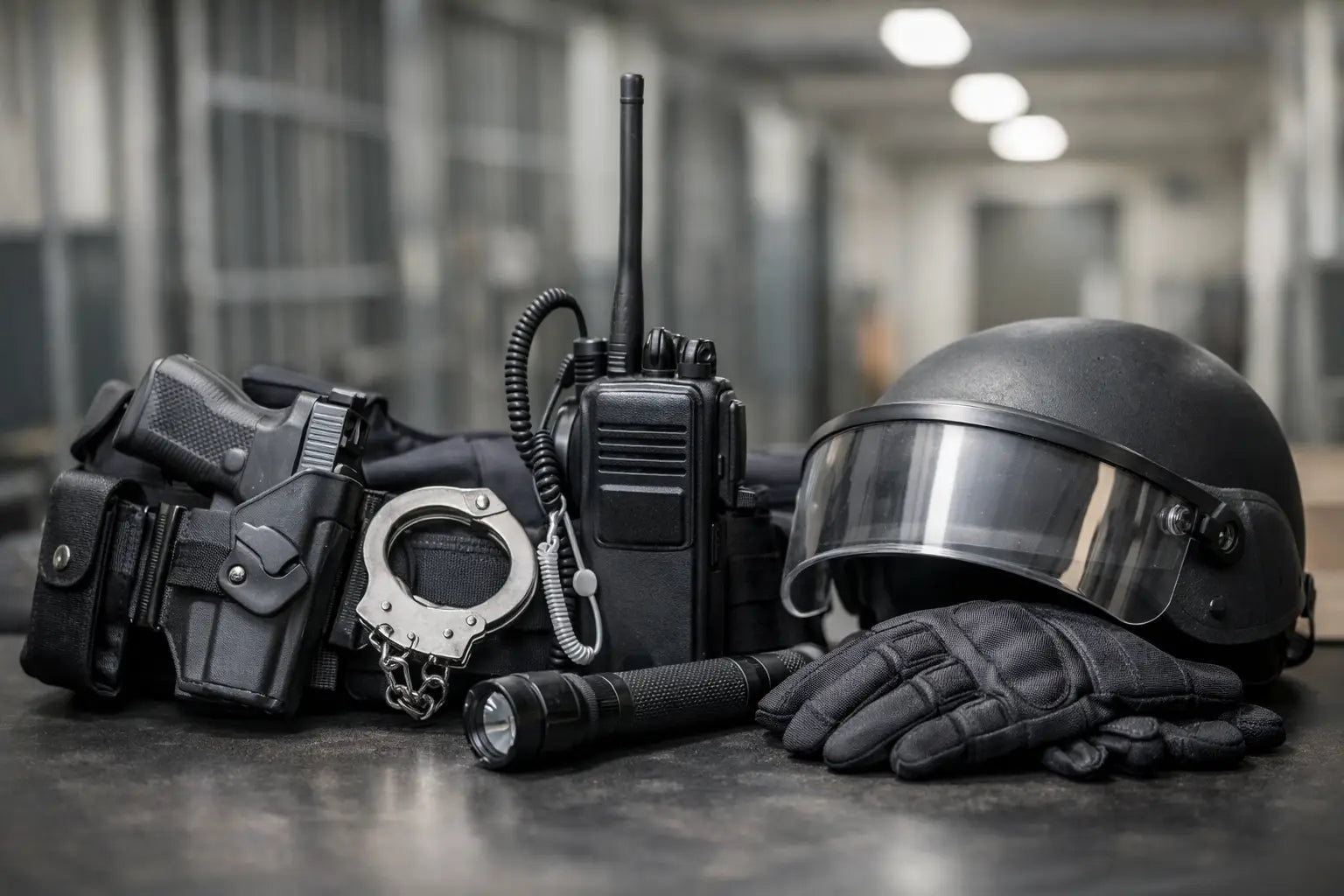
Start with the gear you use every shift. For most corrections professionals, that includes a duty belt or approved outer carrier setup, handcuffs or restraints, cuff case, radio and radio holder, glove pouch, flashlight, key holder, and a dependable pair of duty boots. Depending on policy, you may also carry OC spray, a baton, a body alarm, a notebook, and protective gloves for searches or medical exposure.
Each item has to earn its place. Your radio is non-negotiable, but the question is whether the holder keeps it secure without making it hard to grab under stress. Your flashlight needs enough output for searches and low-light areas, but size matters if it constantly catches on seat edges or door frames. Gloves are essential, but if they take too long to access, they become an afterthought when speed matters.
That is where checklist thinking helps. Instead of asking what gear is popular, ask what gear you actually touch during a normal week. If an item is rarely authorized, rarely used, or creates more belt crowding than value, it may not belong in your daily setup.
Duty belt and platform setup
Your belt is the foundation. If it shifts, sags, or digs into your hips by mid-shift, everything else gets worse. A corrections setup usually benefits from a stable, supportive belt with enough rigidity to hold key equipment without turning into a hard ring around your waist.
Some officers prefer a traditional duty belt, while others may be authorized for load-bearing vests or hybrid setups. It depends on agency policy and assignment. A belt-only setup can keep tools in standard positions and simplify compliance. A vest or outer carrier can reduce strain and free up waist space. The trade-off is that not every facility allows the same configuration, and consistency matters when muscle memory counts.
Restraints and restraint access
Handcuffs are central to most corrections roles, but placement matters as much as the cuffs themselves. A quality cuff case should protect retention while allowing a clean draw. Double cuff cases make sense for transport, booking, or assignments with higher restraint demands. For other posts, one pair may be enough if policy and backup support allow it.
Flex cuffs may also be part of some setups, especially for response teams or transport details. If they are authorized, store them where they stay flat and accessible. If they turn into belt clutter, move them off your daily line and reserve them for specific tasks.
Radio, earpiece, and communication gear
Communication failures create problems fast in a correctional environment. Your radio should ride in a holder that balances retention with immediate access. Test it with gloves on. Test it while seated. Test it while moving through narrow openings. If it only works well standing in a mirror, it is not the right setup.
If your facility uses an earpiece or shoulder mic, routing matters. Loose cords snag. Bad clip placement causes irritation over a long shift. Small comfort issues turn into big distractions after ten or twelve hours.
Gear placement matters as much as the gear itself
A good corrections duty gear checklist is also a placement plan. You want the tools you reach for most often in predictable, low-conflict positions. Your dominant hand should access your primary tools without crossing over other gear. Your support side should carry items you use less urgently or items that make more sense for two-handed tasks.
There is no universal map that works for every officer. Body type, vehicle time, post assignment, and facility rules all affect placement. A tall officer working transport may tolerate a different setup than an officer spending most of the shift moving tiers and conducting searches. The point is to build around real movement, not habit alone.
Before you lock in a setup, wear it for a full range of motion. Sit, squat, bend, climb stairs, and move through narrow spaces. If your flashlight jams into your thigh every time you sit, or your key ring bangs against restraints with every step, adjust it now instead of accepting daily frustration.
Footwear and comfort are performance issues
Corrections professionals sometimes focus so much on belt gear that they overlook the equipment carrying the whole shift - their boots. In a detention environment, long wear time, hard floors, and repeated movement can wear you down faster than you expect. A dependable pair of duty boots should provide support, traction, and comfort without excessive weight.
This is not just a comfort issue. Fatigue changes how you move, how fast you respond, and how well you stay focused late in the shift. The same goes for socks, undershirts, and any approved base layers. Small upgrades in comfort often deliver more day-to-day value than adding one more pouch to your belt.
Gloves fit into the same category. Search gloves and disposable gloves need to be easy to access and practical for your assignment. If your role involves frequent pat downs, cell searches, or exposure risks, glove access is part of readiness, not an extra.
What to check before buying or changing gear
Policy comes first. Before you upgrade holsters, pouches, flashlights, or carriers, confirm what your agency allows. Some facilities are strict on color, finish, mounting style, and approved brands. Buying first and asking later usually costs time and money.
Then look at durability. Corrections gear gets bumped into walls, scraped against concrete, exposed to sweat, and worn for long shifts. Cheap retention hardware, weak stitching, and poor clips fail at the worst time. Authorized dealer support, reliable brands, and product categories built for public safety use matter here.
Finally, think about replacement cycles. Consumables and high-wear items should be easy to swap without rebuilding your whole setup. Batteries, glove pouches, key clips, and boot insoles may not be exciting purchases, but they keep your checklist working.
Common checklist mistakes
Overloading is the biggest one. Too much gear slows movement, crowds access points, and causes discomfort that gets worse over time. Another mistake is buying for rare scenarios instead of daily reality. Specialized tools have a place, but they should not take priority over the equipment you rely on every shift.
Another common issue is ignoring retention. In corrections, close contact is part of the environment. Anything on your belt or vest should stay put during sudden movement, incidental contact, or a physical encounter. If a pouch opens too easily or a tool shifts excessively, replace it.
The last mistake is never revisiting your setup. Assignments change. Policies change. Your body changes with time on the job. A checklist should be reviewed, not treated as permanent.
Build your checklist around your post
Housing, transport, intake, visitation, hospital detail, and response assignments all create different priorities. That is why the right setup depends on where you spend your time and what your facility expects from you. A leaner daily line with role-specific add-ons often works better than one overloaded setup for every possible task.
If you are building or refreshing your loadout, keep it simple. Start with policy-approved essentials, focus on secure placement, and choose gear built for real public safety work. Retailers like AE Tactical that serve law enforcement, corrections, and agency buyers can make that process easier because the product mix is organized around duty needs, not general outdoor use.
The best checklist is the one that keeps you ready without getting in your way when the shift gets busy.