Cart
0





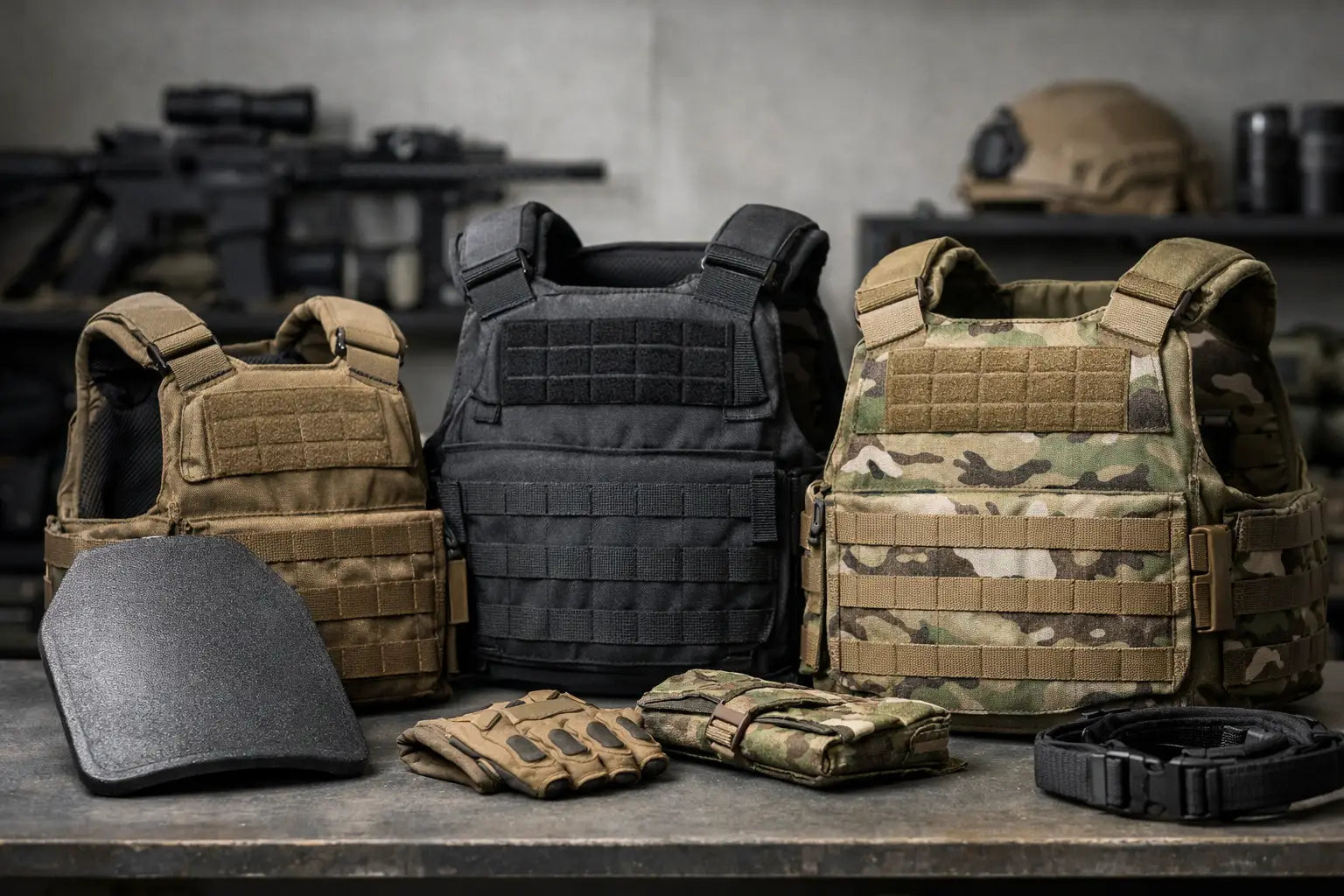
If you are asking, what size plate carrier do I need, the fastest way to get it right is to stop thinking about shirt size first. Plate carriers are sized around armor plates and the coverage those plates provide to your vital areas. Your chest measurement, build, and duty use still matter, but the plate comes first.
That point trips up a lot of buyers. A large uniform shirt does not automatically mean a large plate carrier. In many cases, the right answer is a medium plate with a medium-compatible carrier, even for broad-shouldered users. The goal is not to wear the biggest carrier you can tolerate. The goal is to protect the heart and lungs without giving up movement, weapon handling, vehicle access, or long-shift comfort.
What size plate carrier do I need for proper coverage?
Start with coverage, not comfort. A properly sized plate should cover your vital organs from roughly the top of the sternum down to a few inches above the navel when seated or standing naturally. Width matters too. The plate should generally sit inside the line of your nipples, covering the central thoracic cavity without wrapping too far toward the sides.
A common field check is simple. The top edge of the front plate should sit near the suprasternal notch, which is the soft spot at the top of your chest between the collarbones. If the plate rides too low, it may leave upper vital structures exposed. If it is too large, it can interfere with sitting, bending, shouldering a rifle, or drawing from other gear.
For most users, plate size follows torso dimensions more than overall body size. A taller officer or security professional does not always need a larger plate. If the torso is narrow, a larger plate may create more problems than protection.
Plate size comes before carrier size
This is the part that matters most when shopping. Plate carriers are usually built to fit specific plate dimensions. You do not pick a carrier the way you pick a jacket. You choose the plate size you need, then choose a carrier designed for that plate.
The most common plate sizes are 8x10, 10x12, and SAPI-style sizes such as small, medium, large, and extra large. A 10x12 plate is common in the commercial market, while SAPI sizing is more structured and often preferred by professional users who want more precise fit.
As a general reference, SAPI medium is often the starting point for many adults. It provides balanced coverage and tends to work well for average builds. Large and extra large plates are better reserved for users who truly need the extra width or length for proper vital coverage. Going oversized just because it sounds safer is usually a mistake.
Typical plate dimensions to know
Small SAPI is about 8.75 by 11.75 inches. Medium is about 9.5 by 12.5. Large is about 10.125 by 13.25. Extra large is about 11 by 14. These differences seem minor on paper, but they change how the carrier rides, how you shoulder a rifle, and how much freedom you have getting in and out of vehicles.
A 10x12 plate often lands close to medium sizing, but not always. Different cuts and curvature can affect fit. Always confirm what plate dimensions a carrier is built to accept.
How to measure yourself for a plate carrier
You only need two measurements to get a strong starting point. Measure the width of your chest across the area you want protected, generally from nipple line to nipple line. Then measure the vertical space from the suprasternal notch to about two or three finger widths above the belly button while standing naturally.
That gives you a realistic protection zone. Your plate should fit within that area. If your ideal coverage lines up closely with medium dimensions, do not size up unless there is a real coverage gap. If you are between sizes, the better answer is often the smaller plate if it preserves mobility and still protects vital structures.
Your body type also matters. Users with a shorter torso may find that even a standard 10x12 plate feels too long when seated. Broad chests may need more width but not necessarily more length. That is why generic size charts can only get you so far.
Don’t size by T-shirt alone
This is worth repeating because it causes bad purchases all the time. A carrier listed as medium or large may refer to the plate pocket, not your body measurement. A large-shirt wearer may still need a medium carrier because the medium carrier fits the correct plate size. If you buy based on apparel habits, you can end up with poor protection and worse comfort.
Fit affects performance more than most buyers expect
A plate carrier is not just a storage platform. It is part of your protective system. If it fits poorly, you will feel it immediately when running, kneeling, climbing, driving, or working around corners.
A carrier that is too big tends to sag, shift, and print awkwardly under movement. It can also block access to your duty belt, interfere with seated posture, and create hot spots across the shoulders and lower back. A carrier that is too small may not stabilize the plate properly or may leave too much exposed area around the vitals.
The right fit should feel secure and high on the torso. The front and rear plates should align in height. The cummerbund should stabilize the load without restricting breathing. Shoulder straps should support the carrier without making the front plate ride too low.
Mobility versus coverage is always a trade-off
This is where mission use comes in. Patrol, active threat response, private security, training, and range use do not always demand the same setup. A larger plate gives more coverage, but it adds weight and can slow movement. A smaller plate is easier to live with for long wear, but only if it still protects the right area.
For law enforcement and security professionals working around vehicles, door frames, and confined spaces, excessive bulk becomes a real problem fast. For static perimeter work or situations where movement is less dynamic, some users may accept a little more size. There is no universal best plate. There is only the best plate for your body and your operational use.
What size plate carrier do I need if I wear soft armor already?
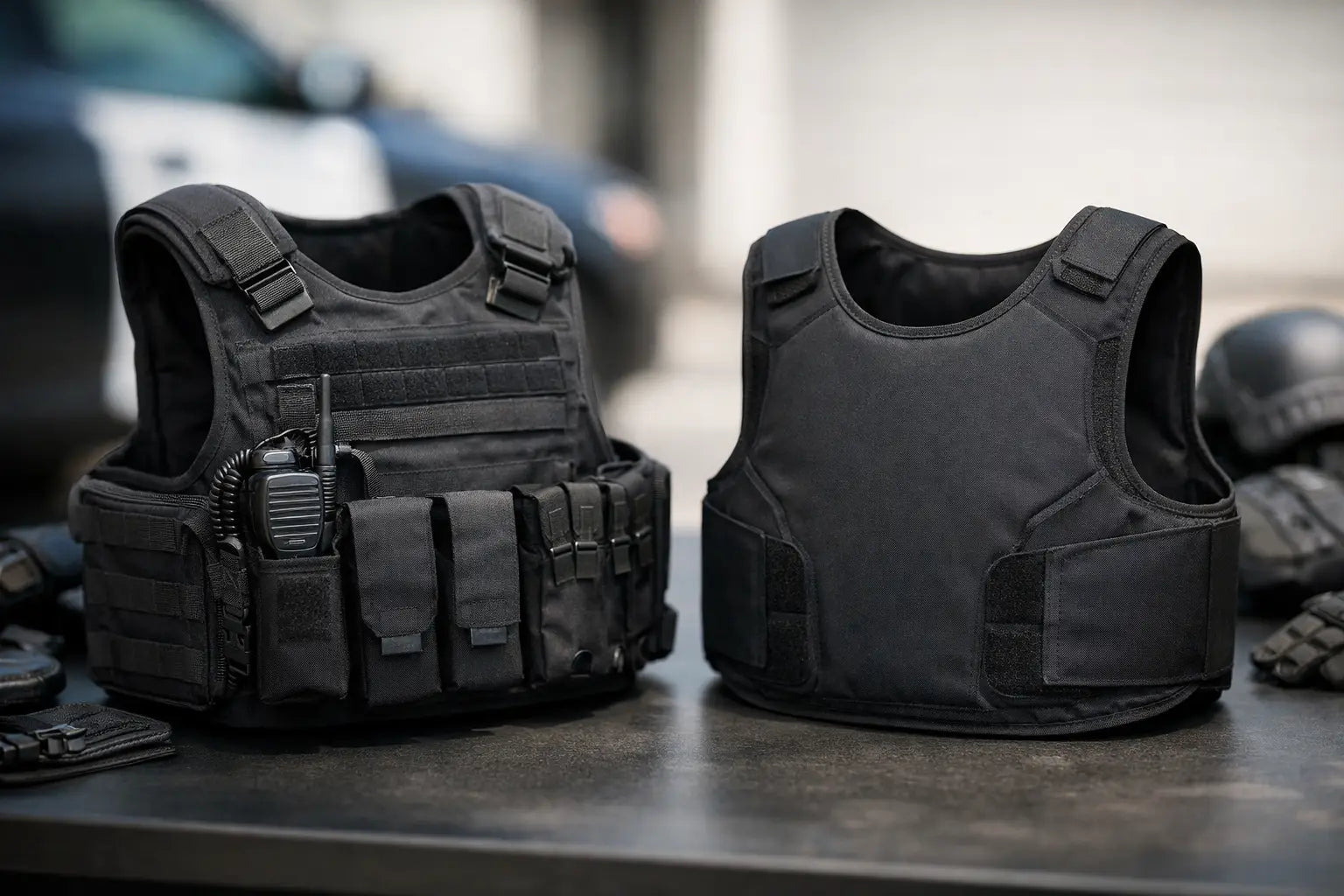
If you are layering over concealable or duty soft armor, fit gets more complicated. The extra bulk from soft armor can affect carrier ride height, cummerbund tension, and shoulder adjustment. In that case, your plate size may stay the same, but your carrier setup needs enough adjustment range to fit over the armor comfortably.
That does not mean oversizing the carrier blindly. It means checking the manufacturer’s adjustment range and intended use. Some carriers are built for low-profile wear. Others are meant to go over external armor or duty uniforms with more equipment underneath.
If you are buying for multi-role use, make sure the carrier can be adjusted for both slick and loaded configurations. A carrier that fits perfectly over a T-shirt may feel too tight over a patrol uniform or outer vest.
Common sizing mistakes to avoid
The biggest mistake is choosing the largest plate you can physically fit into. Bigger is not automatically better. Once a plate starts restricting your draw stroke, shoulder weld, or seated posture, you are giving up performance where it counts.
The next mistake is wearing the carrier too low. Even the correct size plate fails to provide the intended protection if it sits down on the stomach. The top of the front plate should ride high enough to protect upper chest structures.
Another common problem is mixing incompatible plate and carrier dimensions. Not every medium carrier fits every medium-ish plate, and not every 10x12 carrier handles thick multi-curve plates the same way. Check the cut, thickness, and manufacturer fit notes before you buy.
A practical way to choose the right size
If you want the most reliable process, determine your vital coverage area first, identify the plate size that fits inside it, and then buy a carrier built specifically for that plate. After that, look at your duty use. If you spend hours in a vehicle, train frequently with a carbine, or need fast access to belt-mounted gear, lean toward the size that gives correct coverage with the least excess bulk.
If you are between sizes, resist the urge to size up unless the smaller option clearly leaves critical areas exposed. A well-fitted medium setup usually outperforms an oversized large setup in the real world.
For buyers outfitting themselves or their team, this is where specialized support matters. An authorized dealer like AE Tactical can help match carrier dimensions, plate compatibility, and intended use so you do not end up with a setup that looks good on paper but works poorly on duty.
The right plate carrier size should feel secure, ride high, and let you move like you still have a job to do. If you can breathe, shoulder your rifle, sit in a vehicle, and keep your vitals covered, you are on the right track.