Cart
0





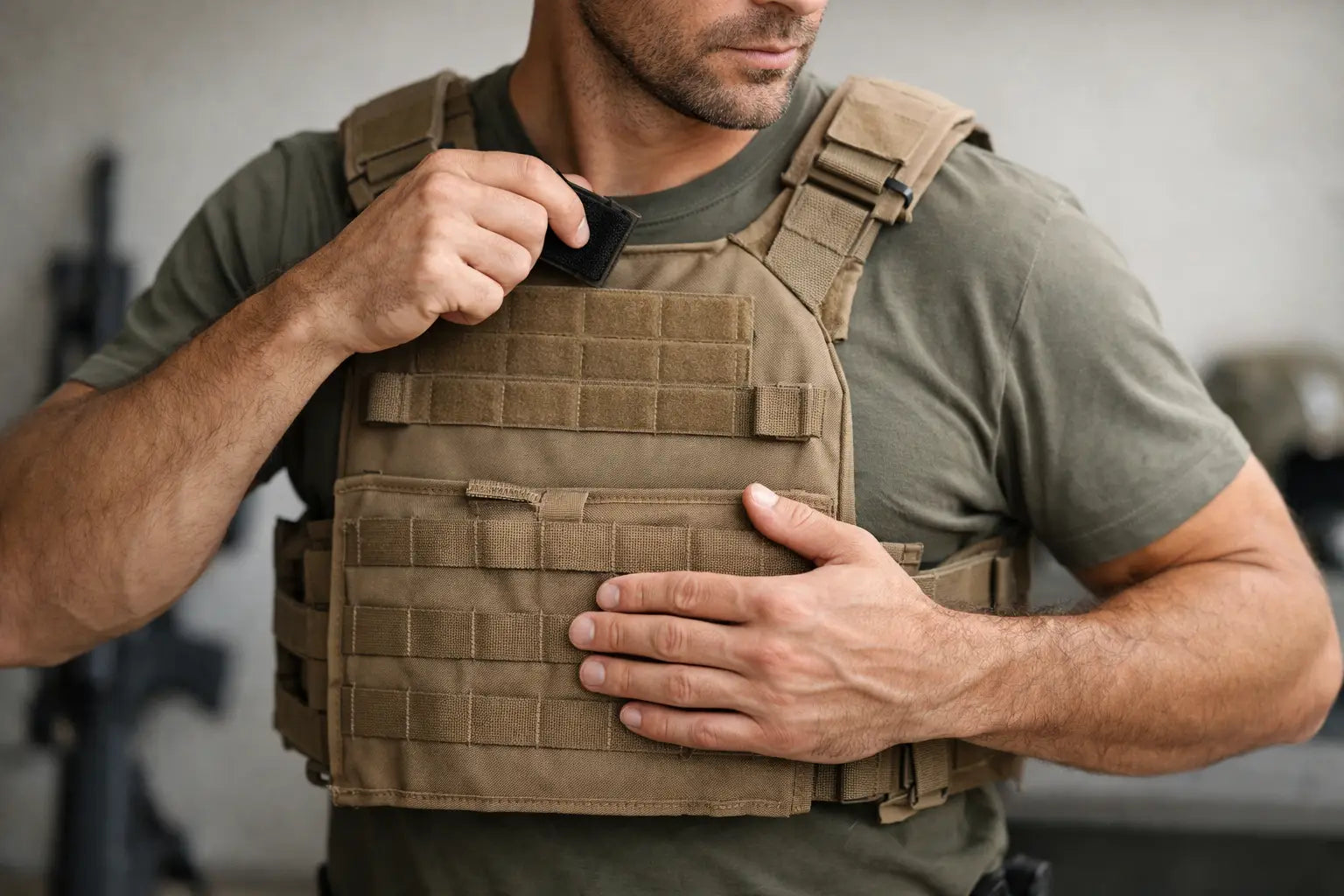
A plate carrier that rides too low, shifts under movement, or blocks your shoulder pocket is not just uncomfortable - it works against you when you need it most. If you are learning how to fit a plate carrier, the goal is simple: protect the right areas, keep the load stable, and preserve enough mobility to work, move, and shoulder a rifle without fighting your gear.
That sounds straightforward, but fit issues are common. Many users size the carrier by shirt size, wear it too loose for comfort, or let the cummerbund sit where it feels easy instead of where it actually supports the load. A proper fit takes a few adjustments, and those small changes make a noticeable difference on duty, at the range, or during training.
How to fit a plate carrier starts with plate size
The carrier should match your armor plates, not your T-shirt size. That is the first thing to get right. If the plates are too small, you lose coverage. If they are too large, they can limit movement, interfere with your draw, and make it harder to shoulder a long gun cleanly.
Your front plate should cover the vital area of the upper torso. In practical terms, it needs to protect your heart and major vessels without dropping so low that it rides into your abdomen when you sit, bend, or crouch. The top of the front plate should generally sit at the level of the suprasternal notch - the soft dip at the top center of your chest between the collarbones. That gives you the upper chest coverage you need.
The back plate should mirror that height on the rear. If the front is high and the back is sagging lower, the carrier will feel off balance and move more than it should. A carrier is only as stable as its full setup.
This is where some trade-offs come in. A larger plate can offer more coverage, but coverage is not the only metric that matters. Law enforcement, security, and prepared civilians still need to move through doorways, drive, get in and out of vehicles, and work from awkward positions. The right plate size is the one that protects vital areas while still letting you function.
Set the shoulder straps before anything else
Once your plates are installed, adjust the shoulder straps so the front plate sits high enough on the chest. This is the step that controls vertical placement. If the carrier starts too low here, everything else becomes a workaround.
When you put the carrier on, look at where the top edge of the front plate sits relative to your collarbones. If it is hanging down around mid-chest, bring it up. A common mistake is wearing the carrier low because it feels less restrictive at first. In actual use, that lower position tends to bounce more and leaves the upper thoracic area less protected.
You also want the shoulder straps even. If one side is longer, the carrier can cant to one side, which becomes more obvious once you add magazines, a radio, or medical gear. Keep the plate bag centered and square on your torso.
Do not overtighten the straps just to pull the carrier up. The carrier should sit high, but it should not dig into your traps or create pressure points that get worse over time. You are looking for stable placement, not a tourniquet across your shoulders.
Adjust the cummerbund for stability, not squeeze
After the shoulder straps are set, tighten the cummerbund or side straps. This is what locks the carrier to your body and keeps it from shifting when you run, kneel, or move laterally.
The fit should be snug enough that the carrier stays in place during movement, but not so tight that it restricts breathing or expands pressure across the ribs. If you take a deep breath and feel like the carrier is fighting your lungs, back it off slightly. If the whole setup bounces when you jog a few steps, tighten it.
A good check is to mount the carrier, move your arms through a full range of motion, and then jog in place or do a few quick direction changes. The front plate should stay centered. The cummerbund should not ride up, twist, or gap excessively at the sides.
If your setup includes side plates, radios, or other mounted equipment, the cummerbund matters even more. Added side weight can pull the carrier off center if the side adjustment is uneven. For duty use, balanced load placement is a real part of fit, not just an add-on consideration.
Check mobility with your actual job in mind
A plate carrier can fit correctly on paper and still be wrong for your role. Patrol, corrections, executive protection, range training, and prepared civilian use all place different demands on movement and equipment access.
After the basic fit is set, test it the way you will actually use it. Shoulder your rifle on both sides. Present your pistol. Sit in a vehicle seat. Kneel, squat, and bend to pick something up. Reach across your chest for radio controls or a tourniquet. If the top of the carrier blocks a stock weld, the shoulder area may be too bulky or the setup may need to be reconfigured.
This is where minimalism often wins. More pouches do not always equal better readiness. A front panel stacked too thick can make prone work miserable and can push the carrier away from the body, which affects stability. If you are building a setup for real field use, keep what you need accessible and cut what does not earn its space.
Common mistakes when fitting a plate carrier
The most common problem is wearing the carrier too low. It feels more natural to some first-time users, especially if they are thinking about comfort instead of coverage. The result is less protection where it counts and more interference when sitting or moving.
Another issue is buying the wrong carrier size for the plate. A carrier that is too large for the plate allows movement inside the plate bag. A carrier that is too small may not seat the plate properly or may put stress on seams and closures.
Loose cummerbund adjustment is another frequent problem. Users often leave extra room because they do not want a restrictive fit. That usually leads to shifting, bounce, and hot spots once weight is added.
There is also the loadout problem. Even a well-fitted carrier can feel wrong if all the weight is mounted on the front. Three loaded rifle magazines, a large admin pouch, and a full-size medical kit on the front panel can change how the carrier rides. Spread the load where possible and build around access, balance, and your real use case.
How clothing and body type affect fit
Knowing how to fit a plate carrier also means accounting for what you wear under it. A carrier adjusted over a thin T-shirt may feel very different over a duty uniform, soft armor, cold-weather layers, or a moisture-wicking base setup.
If you use the carrier for work, fit it over the clothing and equipment you will actually wear. Seasonal changes matter. A setup that is dialed in for summer can feel too tight once heavier layers come into play.
Body type matters too. A broad chest, shorter torso, or narrower shoulders can change where the carrier feels natural, but the key placement points still stay the same. The top of the plate still needs to protect the upper chest. The carrier still needs to stay secure without cutting off movement. Fit should follow anatomy and mission, not just comfort in front of a mirror.
Final checks before you call it done
Once the carrier feels right, wear it for more than five minutes. Put it on for a full training block, dry-fire session, or movement drill. Small fit issues often show up later - shoulder fatigue, rubbing at the neck, pressure at the ribs, or a front panel that starts sagging once loaded.
Make one adjustment at a time instead of changing everything at once. Raise the front plate, test it, then fine-tune the cummerbund, then reassess your pouch placement. That approach gets you to a reliable fit faster than chasing multiple problems at the same time.
For professionals and prepared civilians alike, a proper fit is what turns armor from something you are wearing into something you can actually work in. Get the plate height right, lock in the carrier so it moves with you, and build the loadout around performance rather than bulk. If you do that, your setup will feel a lot more like part of the job and a lot less like something you are fighting all day.