Cart
0





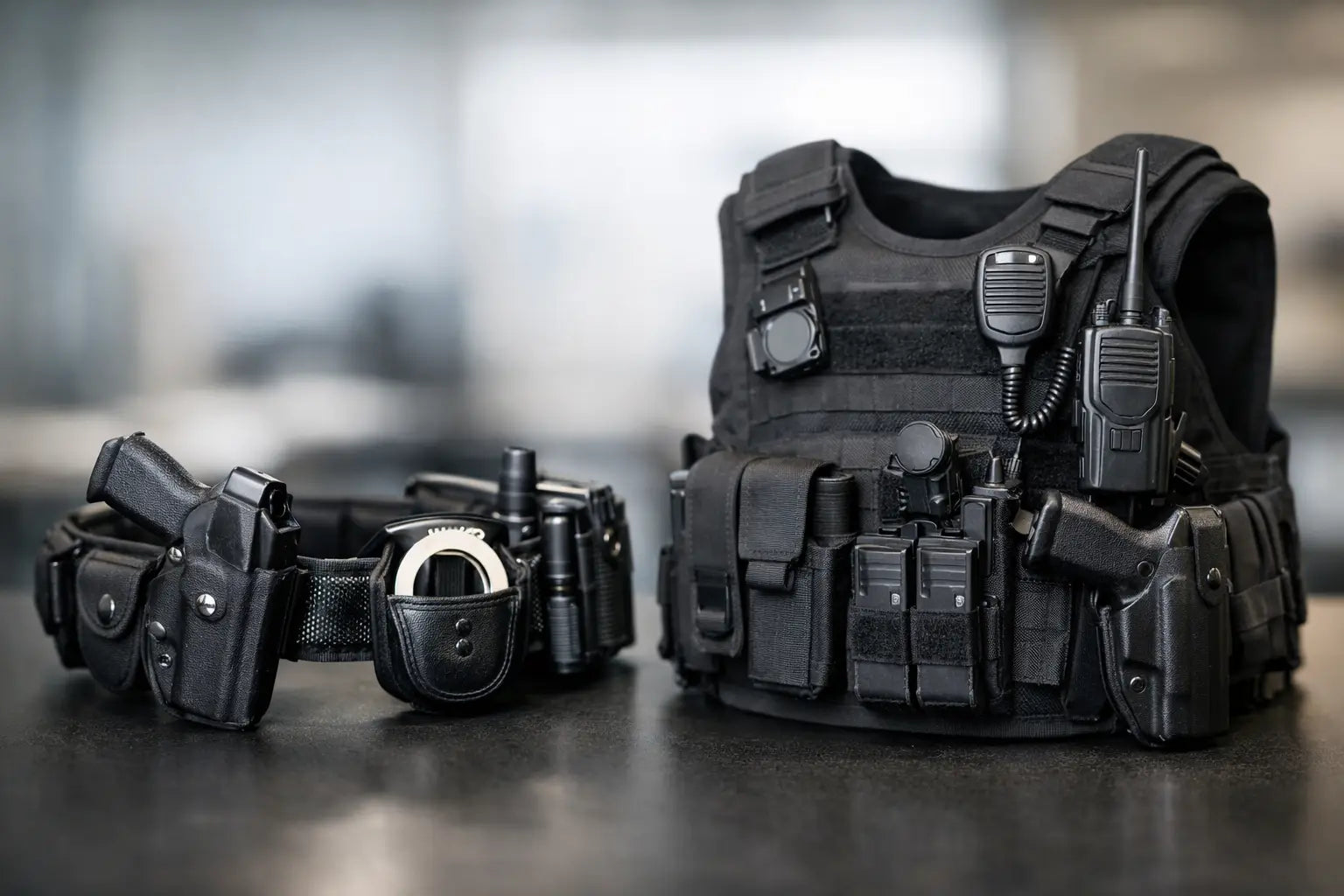
At some point in a long shift, every ounce starts to matter. The duty belt vs vest setup question usually stops being theoretical when your lower back tightens up, your radio catches on a seatbelt, or you realize your most-used tool is harder to reach than it should be.
For law enforcement, security, corrections, and other public safety roles, this decision affects comfort, mobility, access, and long-term wearability. There is no one-size-fits-all answer. Assignment, agency policy, vehicle time, body armor configuration, and even climate all change what makes sense. The right setup is the one that helps you work faster, carry safer, and finish the shift with less strain.
Duty belt vs vest setup: the real trade-off
A traditional duty belt keeps gear at the waistline, where many officers and security professionals have trained to access it for years. Holster placement, magazine position, cuffs, baton, OC, glove pouch, and radio all stay in a familiar zone. That consistency matters, especially under stress.
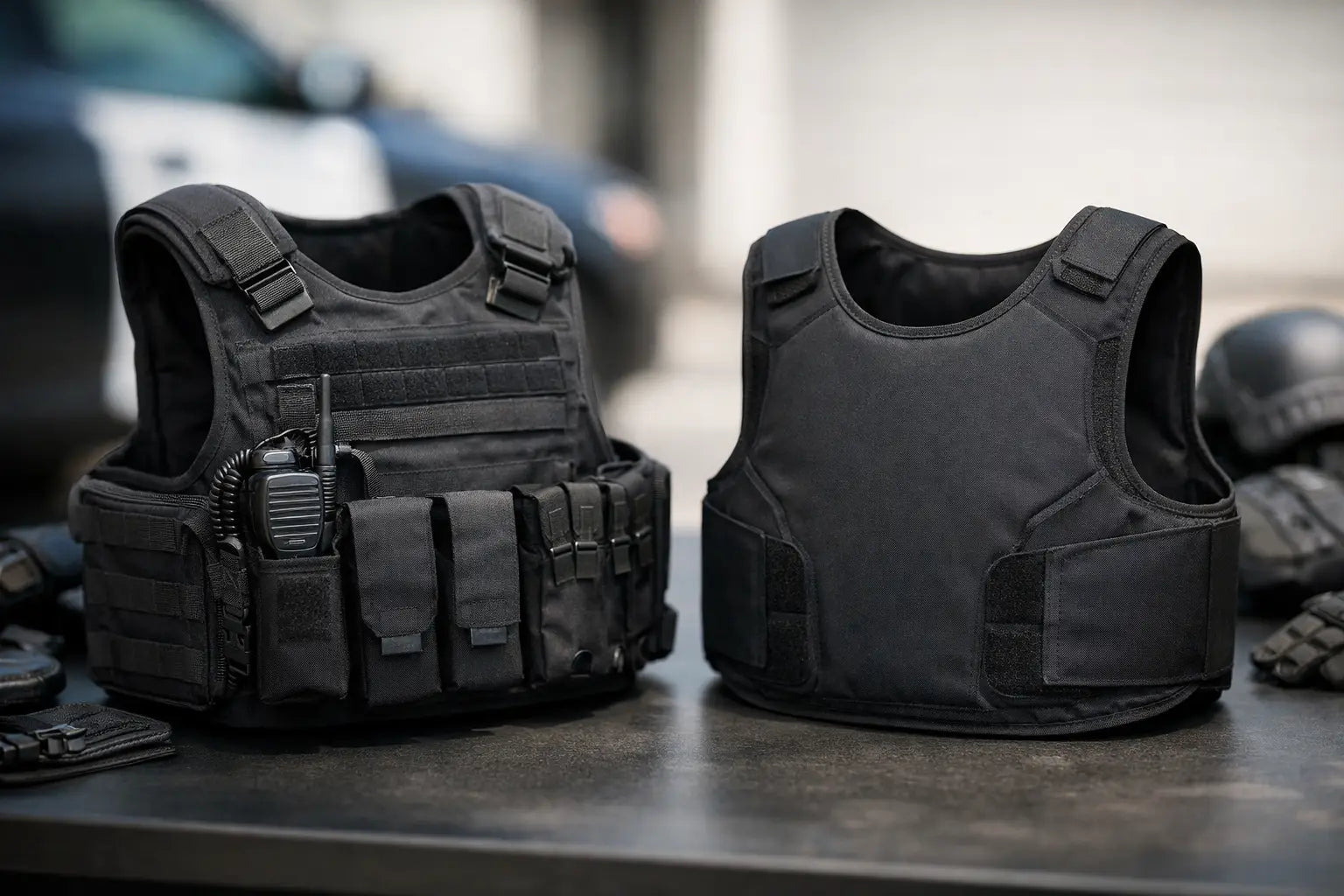
A load-bearing vest shifts some of that weight higher onto the torso. Instead of stacking every item around the hips and lower back, the vest distributes selected gear across the chest and sides. For many users, that change improves comfort during long shifts, cuts down on hip pressure, and makes seated work in a patrol vehicle easier.
The trade-off is access and bulk. A vest can free up the belt, but it can also crowd the upper torso, interfere with shoulder movement, or complicate rifle stock placement depending on how it is configured. A belt is simple and familiar, but once it gets overloaded, it can create real fatigue and hot spots. The question is not which platform is better on paper. It is which one supports your actual duty requirements without creating new problems.
Why many professionals move gear off the belt
The biggest reason is weight distribution. A fully loaded belt can put constant pressure on the hips, lumbar area, and sciatic region. Over time, that matters. Officers and security personnel who spend hours driving, standing posts, or transitioning in and out of vehicles often feel that strain first.
Moving radio, magazines, gloves, small medical items, or a flashlight onto a vest can reduce that compression. It also clears room on the belt for critical items that benefit from a stable, repeatable draw. For many users, that means keeping the handgun, spare mags, cuffs, and one immediate-use tool on the belt while relocating less draw-sensitive gear up top.
There is also a practical vehicle factor. A heavy belt can become uncomfortable fast when seated for long periods. Gear pushes into the seat, catches on the center console, or shifts around as you move. A vest does not solve every issue, but it often makes extended vehicle work more manageable.
Where a duty belt still has the advantage
The belt remains hard to beat for instinctive access. A properly set up duty belt places key tools in a predictable arc around the waist, and that muscle memory is valuable. Draw stroke consistency, support-hand access to magazines or restraints, and reduced visual clutter all work in the belt's favor.
The belt also tends to stay simpler. That matters more than people admit. Once a vest becomes the answer for every pouch and accessory, the setup can get top-heavy, crowded, and harder to manage. A cluttered upper body can affect movement in tight spaces and create issues around door frames, seatbelts, and slinged long guns.
Heat is another factor. In South Florida and other hot, humid environments, adding more carried gear to the torso can increase heat retention and discomfort. If your assignment already requires armor and a lot of time outdoors, a belt-heavy setup may still be the better call as long as the load stays reasonable.
Where a vest setup makes more sense
A vest setup often works best for users carrying enough equipment that the belt alone stops being practical. Patrol officers with radios, body-worn camera support items, gloves, medical gear, and administrative tools may benefit from spreading that load. Security professionals on long standing assignments can also appreciate the reduction in hip fatigue.
Vest-mounted gear can be easier to reach while seated, especially radios and notepads or smaller utility items. For users in and out of vehicles all day, that convenience adds up. Some also find that moving bulkier pouches off the waist improves movement through narrow spaces and reduces snag points around the hips.
That said, not every item belongs on the vest. Tools that demand the fastest, most repeatable access often still work better on the belt. The vest is best used to support the belt, not replace clear priorities.
How to decide what stays on the belt and what moves
Start with your highest-priority items. Your sidearm and magazines usually remain on the belt because draw consistency matters. Handcuffs often stay there too, especially if your training and agency standards are built around belt access. Beyond that, placement should follow use frequency, draw speed, and whether an item must be accessible with either hand.
A radio is one of the most common items to move to the vest. It is frequently used, often bulky, and can be awkward on the belt when seated. Flashlights and gloves can go either way depending on size and preference. Small medical items may fit better on the vest if they do not block armor panels or interfere with movement.
The better approach is not to ask whether every piece of gear can fit. Ask whether its placement helps your job. If a pouch saves space but slows access, catches on the seatbelt, or blocks a clean presentation of other tools, it is in the wrong place.
Duty belt vs vest setup for different roles
Patrol usually benefits from a hybrid approach. Keep critical access items on the belt and move selected support gear to the vest to reduce strain. That setup tends to balance tradition, speed, and all-day wear.
Private security depends heavily on assignment. Static posts, mobile patrol, executive protection, and armed transport all have different needs. A lower-profile belt setup may be ideal for some contracts, while long vehicle shifts may push users toward a vest-supported loadout.
Corrections work often favors tighter, more controlled gear placement with less bulk and fewer grab points. In that environment, policy and retention concerns may limit how much can move to the torso.
EMS and fire personnel who use load-bearing outerwear or medical pouches usually think about access differently. If your role is more treatment-focused than enforcement-focused, chest-level storage for gloves, shears, pens, and compact medical tools can make more sense than crowding the waistline.
Policy, training, and retention matter more than preference
Before changing your setup, check policy. Some agencies specify where certain items must be carried, what can be mounted on outer carriers, and what brands or retention systems are approved. That is especially true for armor carriers, visible pouches, and holster placement.
Training matters just as much. A better setup on paper can still be worse in the field if your draw sequence changes and you have not retrained enough to make it automatic. Any change to magazine placement, radio access, cuff location, or support-side tools needs repetitions, vehicle testing, and range work.
Retention should stay front and center. Vest-mounted gear can be easier to access, but it may also be more exposed in close contact depending on placement. The same goes for belt gear positioned too far forward or too far behind the hip. Accessibility for you should not mean easier access for someone else.
Build for the shift you actually work
The best setup usually looks less dramatic than the internet version. It is clean, balanced, and mission-driven. It carries what you need, where you can reach it under stress, without turning your body into a storage rack.
If your current belt leaves you sore halfway through the week, moving selected gear to a vest may be worth it. If your vest feels crowded and slows your movement, bring key tools back down to the belt. Most professionals land somewhere in the middle, and that is often the smartest place to be.
AE Tactical works with professionals who need duty-ready gear that makes sense in the field, not just on a product page. When you evaluate your setup, think beyond trends. Build around access, comfort, policy, and repeatable performance - then wear it, test it, and adjust it until it works when the shift gets long.