Cart
0





The first time you finish dressing for shift and look down at your duty belt, one thing becomes obvious fast: carrying gear is different from owning gear. If you're asking what gear should a rookie officer carry, the right answer is not the longest equipment list. It's the loadout that supports safety, department compliance, and real-world usability through a full shift.
Rookie officers usually make one of two mistakes. They either carry too little and end up borrowing tools, or they overload themselves with gear that adds weight, slows movement, and creates problems in the car, on foot pursuits, or during long hours on post. A good setup sits in the middle. It covers essential tasks, fits policy, and stays comfortable enough to wear every day.
What gear should a rookie officer carry first?
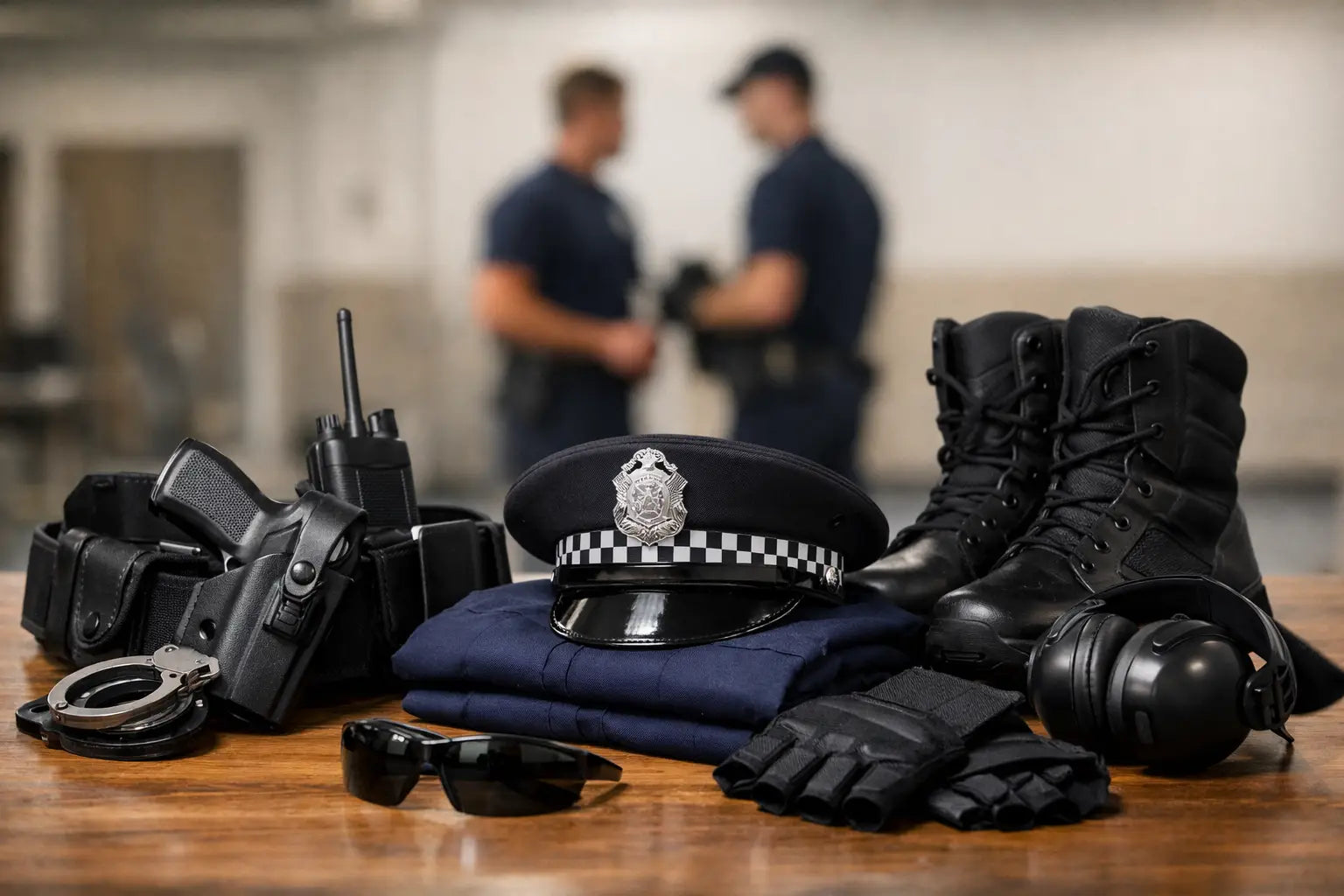
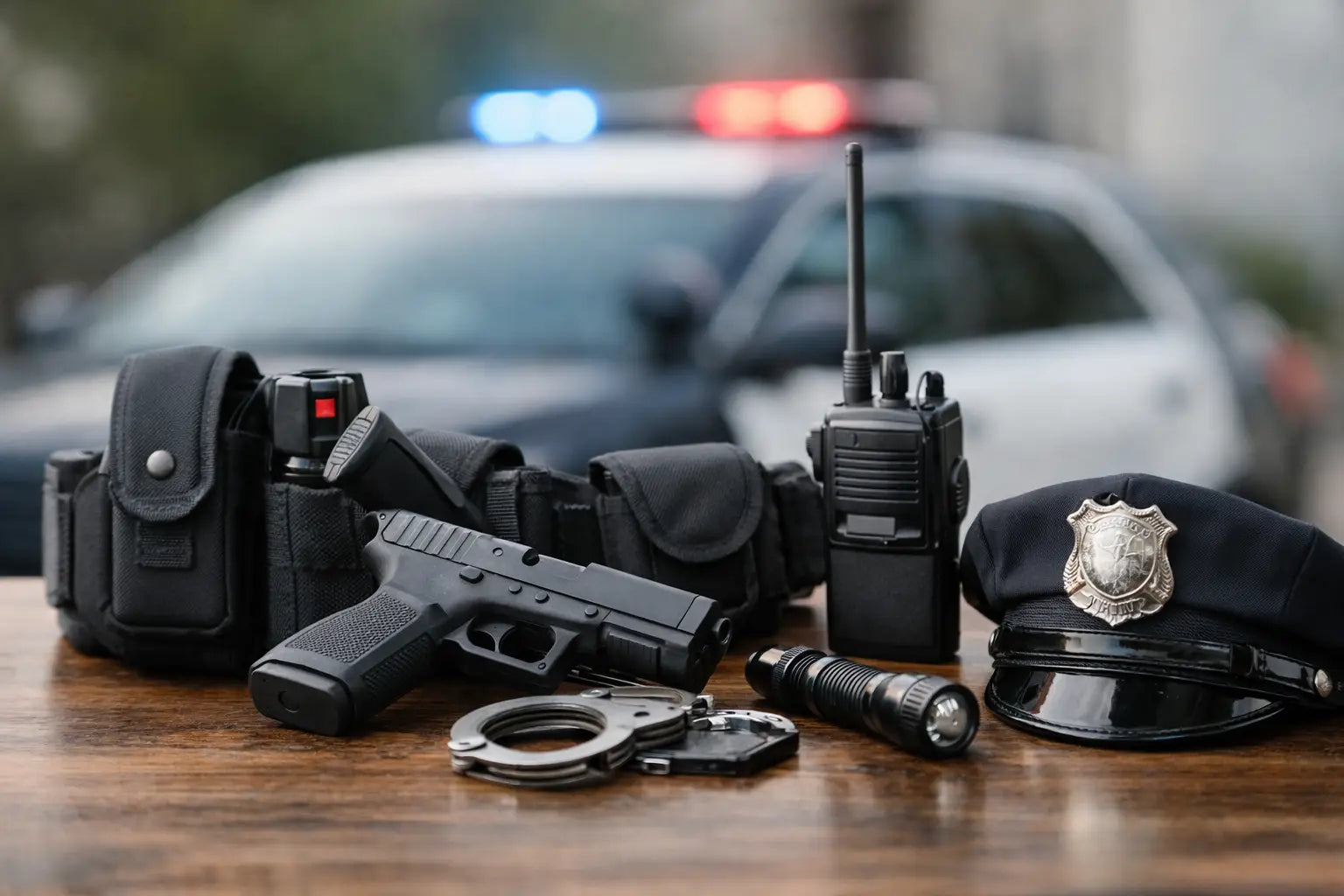
Start with the gear that directly affects officer safety, communication, and basic field function. That usually means your duty firearm, approved holster, magazines, handcuffs, radio, flashlight, medical gloves, and a reliable notebook with pens. If your agency issues some of this equipment, your job is not to replace it right away. Your job is to learn it, test the fit, and figure out where upgrades actually matter.
That last part matters more than most rookies expect. A premium piece of gear is not automatically the right piece of gear if it conflicts with policy or forces a bad draw angle. Department standards, training doctrine, and qualification requirements should shape every purchase.
The core duty setup
Firearm, holster, and magazine pouches
Your sidearm and holster are the center of your duty setup. The holster needs proper retention, a stable mounting platform, and a draw stroke you can repeat under stress. Rookie officers sometimes focus on comfort first, but security comes first here. A holster that shifts, rides too low, or interferes with seat access becomes a problem fast.
Magazine pouches should hold enough spare ammunition to meet department standards and your operating environment. Retention should be firm, but not so tight that reloads turn into a fight. Placement also matters. If your support hand cannot reach magazines cleanly while seated, kneeling, or moving, your setup needs work.
Handcuffs and restraint tools
At least one set of handcuffs is standard. Many officers carry two because one set is often not enough once you start handling multiple subjects, assisting another officer, or dealing with unusual restraint scenarios. A solid cuff case keeps them accessible without bouncing or digging into your hip all shift.
If your agency authorizes additional restraint tools, keep them where they can be reached quickly and without confusion. The key is consistency. Under stress, you will reach where training tells you to reach.
Radio and earpiece
Your radio is not optional clutter. It is one of the most important pieces of gear you carry. A secure radio holder, a functioning microphone, and a setup that stays accessible in and out of the patrol vehicle are all worth attention early.
A rookie officer should also think about audio clarity. In a loud environment, poor communication creates delays and mistakes. Depending on assignment and agency practice, an earpiece or shoulder mic may improve function, but comfort and reliability still matter. If it constantly falls out or snags on your vest, it is not helping.
Flashlight
A dependable duty light belongs on every rookie officer's belt or vest. Even on day shift, lighting conditions change constantly - under vehicles, inside buildings, in stairwells, or during weather events. Your light should offer enough output for identification and searching, but not at the cost of awkward size or short runtime.
Many officers also carry a smaller backup light. That is not overkill. Batteries fail, tools get dropped, and field conditions are rarely ideal. A backup light is one of the most practical redundant items you can carry.
The gear that keeps you effective all shift
Boots and socks
Rookies often spend money on visible gear and ignore what carries them through the day. That is a mistake. Good duty boots affect fatigue, footing, posture, and long-term comfort. The best choice depends on your assignment. Patrol, corrections, court security, and specialized details all place different demands on support, polish, waterproofing, and weight.
Break-in time matters too. A boot can be excellent on paper and miserable for the first two weeks. If possible, get real fit dialed in before your first long run of shifts. The same goes for socks. Quality socks will not make the gear checklist look impressive, but they can absolutely make your shift more manageable.
Duty belt or outer carrier setup
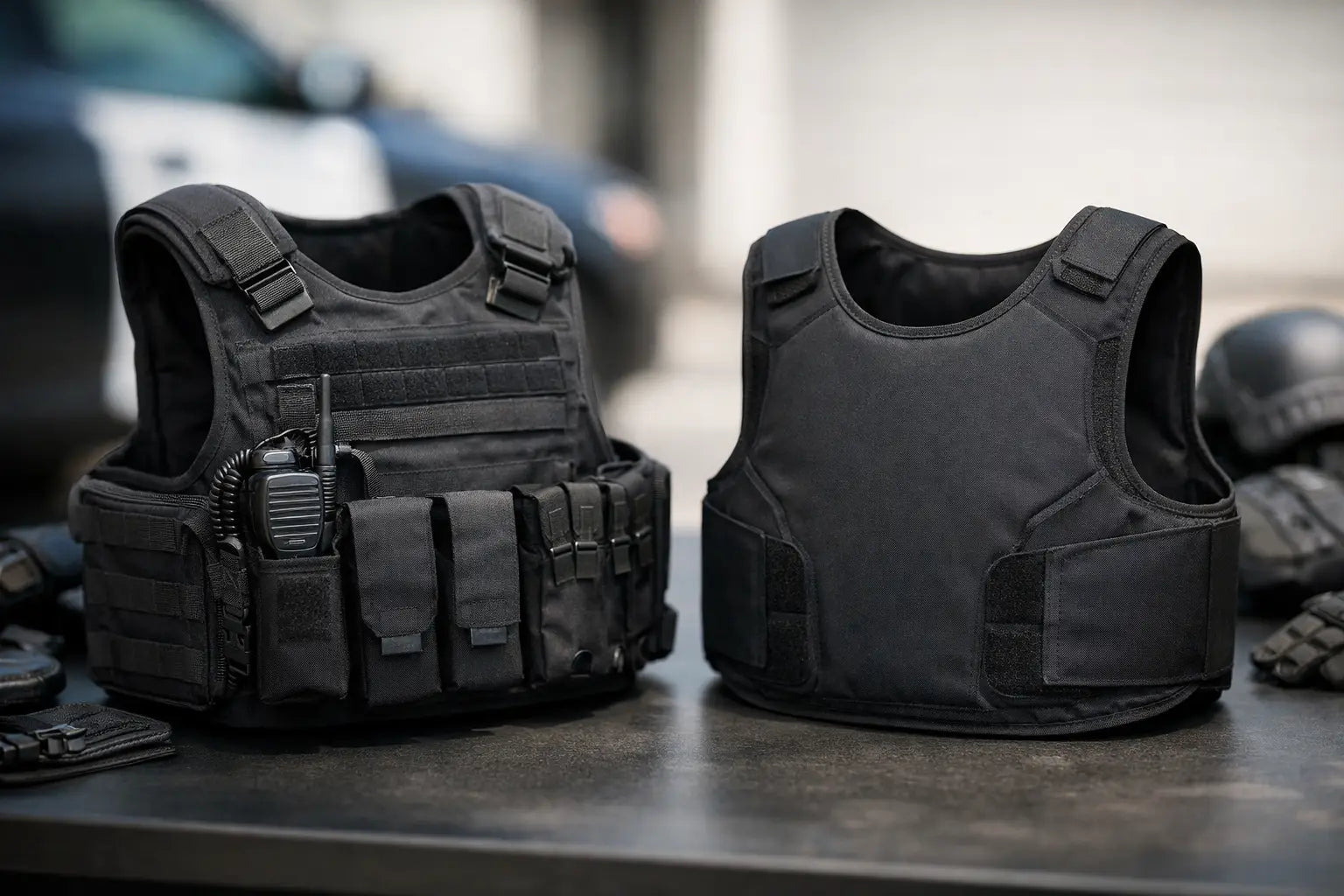
Whether your agency runs a traditional duty belt, outer carrier, or a mix of both, weight distribution matters. Rookie officers tend to place gear wherever it fits. A better approach is to think through access, body mechanics, and time spent seated in the vehicle.
If your lower back is taking the full load, or if key items get trapped by the seatbelt, your setup needs adjustment. Outer carriers can help move weight off the waist, but they also introduce different issues with placement, profile, and agency appearance standards. There is no universal perfect layout. The right answer is the one that supports your duties and follows policy.
Gloves and eye protection
You may not use gloves or eye protection every hour, but when you need them, you need them immediately. Search gloves, disposable medical gloves, and impact-resistant eye protection all serve different purposes. Trying to make one item cover every job usually means compromise.
A practical rookie setup keeps these items easy to reach, not buried in a bag in the trunk. If you cannot access them during a fast-moving call, they are not really part of your working kit.
What gear should a rookie officer carry beyond the basics?
After the essentials are covered, add gear based on assignment, climate, and department expectations. A patrol officer working traffic-heavy areas may benefit from a better traffic wand, reflective gear, or citation organization tools. An officer regularly handling reports in the field may want a more durable notebook cover or admin pouch. Corrections and security assignments may shift priorities toward different restraint tools, gloves, or communication accessories.
This is where rookies need discipline. Useful gear is not the same as necessary gear. If a piece of equipment solves a problem you actually face every week, it earns a place. If it only looks good in a gear photo, leave it out.
Less-lethal tools
If your agency issues or authorizes OC spray, a baton, or a conducted energy device, carry them exactly as trained and exactly as policy requires. This is not the place for improvisation. Placement, retention, and accessibility need to match your department's standards and your defensive tactics program.
The trade-off here is space and complexity. Every added tool increases belt crowding and decision-making under stress. That does not mean less-lethal options are a burden. It means they need a deliberate place in your setup, not a last-minute attachment.
Knife or rescue tool
Some rookie officers carry a folding knife, seatbelt cutter, or rescue tool. This can be useful, especially for vehicle-related incidents or utility tasks, but agency rules vary. If permitted, choose something durable, simple to deploy, and appropriate for duty use.
A rescue-focused tool often makes more sense than an oversized blade. Practicality wins here. You are solving field problems, not building a collection.
Small admin essentials
A notebook, extra pens, ID holder, and a compact organizer for forms or business cards may not seem like mission-critical gear until you are on your third call in a row and trying to keep facts straight. Organization is part of officer safety too. Missed details create bad reports, bad reports create bigger problems.
Keep admin items compact. The goal is support, not bulk.
How rookies should choose gear without wasting money
Buy in stages. Work with your issued setup first, learn what your agency allows, and talk to FTOs or experienced officers who actually work your assignment. The officers worth listening to are usually the ones with clean, functional setups - not the ones carrying every gadget available.
It also helps to prioritize by failure point. Spend first on the items that affect safety, retention, comfort, and all-day wear. A better holster, better boots, better light, or better carrier setup will usually do more for you than cosmetic accessories.
Authorized dealer support matters more than rookies sometimes realize. Fit, compatibility, and policy questions can save you from buying the wrong pouch, the wrong mount, or the wrong cut of uniform. For officers building a duty-ready setup, working with a specialized outfitter like AE Tactical makes more sense than guessing through a general retailer's catalog.
Keep your loadout honest
A rookie officer's gear should make the job easier, not more complicated. Carry what you are trained to use, what your agency approves, and what you can access consistently under stress. If something pinches, shifts, prints awkwardly, or gets ignored every shift, re-evaluate it.
The best setup is rarely the flashiest one. It is the one that still works at hour twelve, in bad weather, under stress, and after the newness wears off. Build for that standard, and your gear will support you instead of fighting you.